
Opening Considerations
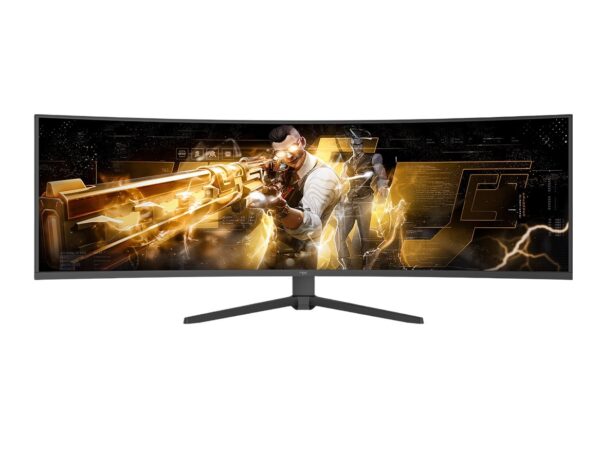
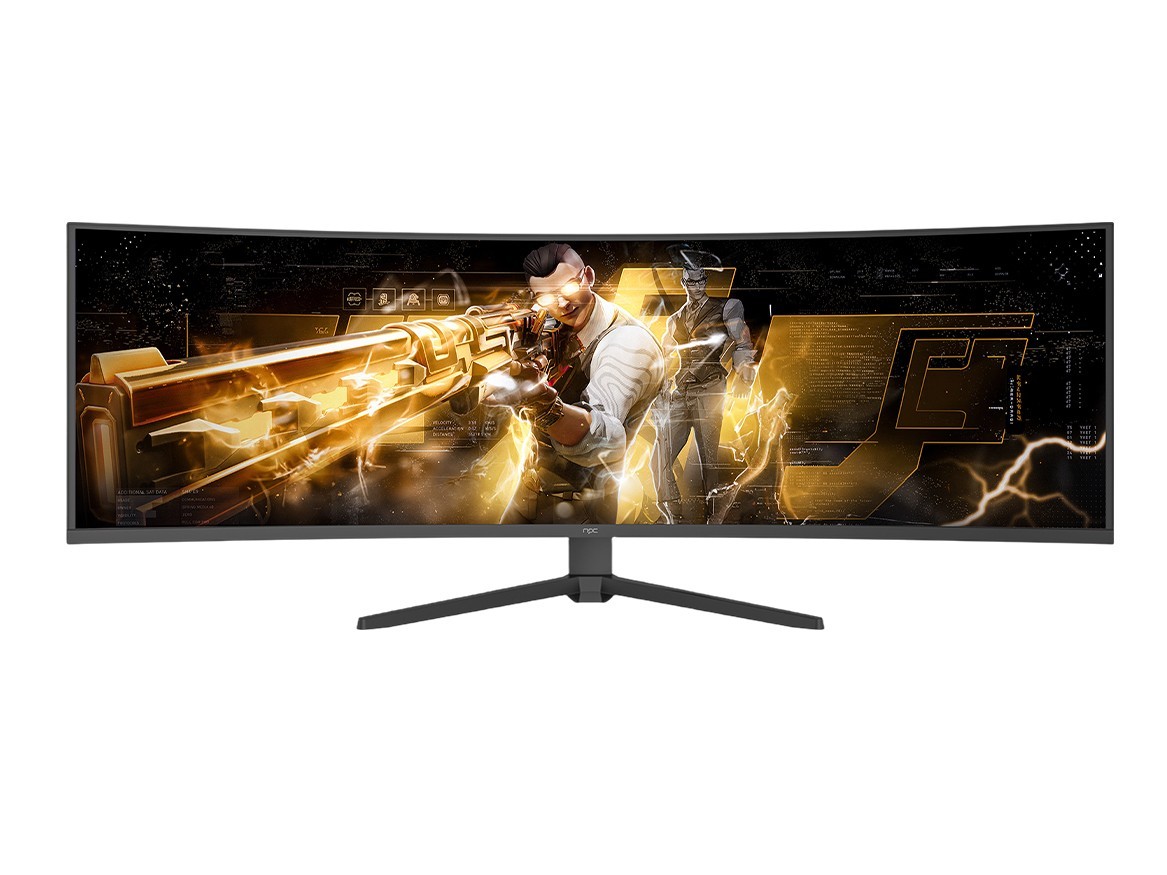
Choosing a wholesale television requires a quiet hierarchy of needs: image fidelity over spectacle, durability over flash. Compare like with like and do not be lured by a single spec; measure panels, warranties, and vendor standing together. When sourcing at scale, a reliable monitor manufacturer will shape your lead times and post-sale support as much as chipset choice, so name and steadiness matter from the first inquiry.
What to Compare First
Begin with panel technology and its practical effect: OLED grants true blacks and contrast but can cost more and demands careful burn-in management; QLED and advanced VA/IPS variants offer bright images with varied off-axis behavior. Resolution and screen size must answer the room and seating distance — a 55-inch 4K is different in intent from a 75-inch 4K meant for a public space. Match refresh rate and input latency to use: retail signage and sports displays prize motion smoothness; corporate meeting rooms favor clarity and color accuracy.
Connectivity, Smart Features, and Firmware
Count HDMI version, HDCP support, and USB or Ethernet ports against the devices you’ll connect. Smart platforms differ; prefer systems with proven update paths. Inspect firmware update policies — a vendor who pushes long-term updates prevents security and compatibility rot. Ask whether the vendor provides management tools for fleets of displays; remote diagnostics and central firmware deployment can save weeks of labor.
Warranty, Repair, and Supply Consistency
Warranty terms conceal much of vendor reliability. Look for on-site replacement, defined turnaround times for panels, and clear RMA procedures. Confirm parts availability: identical panel replacements should be guaranteed for the model life-cycle, or your deployment will fragment into incompatible spares. Request documented MTBF or failure-rate data when possible; hard numbers separate rhetoric from reality.
Price Tiers and Total Cost of Ownership
Wholesale price is only the start. Factor shipping, customs, calibration, mounting hardware, and expected service costs. A lower unit price that carries short warranty coverage or slow shipping often yields higher lifetime cost. Compare suppliers with a simple model: initial unit cost + logistics + expected repairs over five years, then divide by usable years to reveal real value.
Common Pitfalls to Avoid
Do not sign long-term purchase orders without sample validation; images and specs rarely tell the whole story. Avoid models with opaque panel sourcing — panel mismatches lead to uneven color in multi-unit installations. Resist vendors who cannot supply a clear calibration report or who refuse third-party interoperability tests. Finally, never neglect environmental tests: heat, humidity, and dust tolerance matter for non-climate-controlled spaces.
Experience, Authority, and a Real-World Anchor
From procurement work across fleet display rollouts, I’ve seen promise crumble when manufacturers changed suppliers mid-production. The Shenzhen manufacturing hub is a well-documented center for electronics assembly and component sourcing; you’ll find much of the supply chain there, and reputable vendors maintain traceable production lines. For direct sourcing clarity, consider a vetted computer monitor supplier whose product sheets, lab test results, and logistics timelines you can audit before committing.
Alternatives and When to Choose Them
Wholesale direct from OEMs suits large, standardized deployments. For smaller batches or bespoke finishes, ODMs or local distributors offer flexibility and faster local service. Refurbished or certified returns can reduce cost but require stricter inspection regimes. Decide by volume and tolerance for variation: high-volume installs reward thin margins and strict spec control; bespoke or low-volume work rewards vendor responsiveness and customization.
Final Synthesis
Compare specifications like a judge weighing witnesses: let contrast ratios, panel lineage, firmware policy, and support timelines speak plainly. Seek vendors who document their chains and stand by returns and spares. When the choices narrow to reliability and honest logistics, the solution becomes a matter of trusted partnership rather than sheer price, and that steady partnership is what npc aims to provide.






