
Opening: A Clear Axis for Comparison
The careful buyer seeks more than a catalogue; they seek a clear axis by which to judge makers, and so we begin by holding measures side by side. Consider signal fidelity, software depth, and ecosystem reach as the cardinal points; consider also hybrid devices such as the gps two way radio, which stitch location and voice into a single instrument. This comparative thread will guide decisions with reason and restraint, favoring facts over flourish.
Core Criteria for Comparison
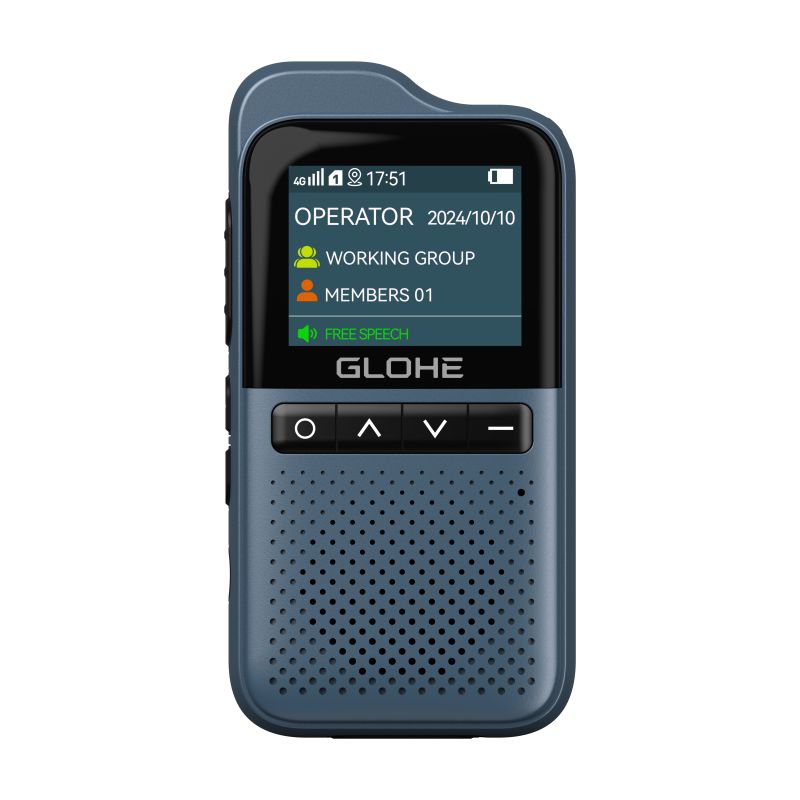
Compare manufacturers against these concrete, non-negotiable criteria: RF performance and sensitivity under load; accuracy and integration of GNSS modules; the maturity of Push-to-Talk over Cellular (PoC) platforms; supported codecs and encryption; ruggedization standards (MIL‑STD or IP ratings); battery endurance at realistic duty cycles; software update cadence and API availability; certified interoperability with existing systems; and the supplier’s on-the-ground support footprint. Each criterion maps to cost, to total lifecycle, and to operational risk.
GPS and PoC: Where Makers Diverge
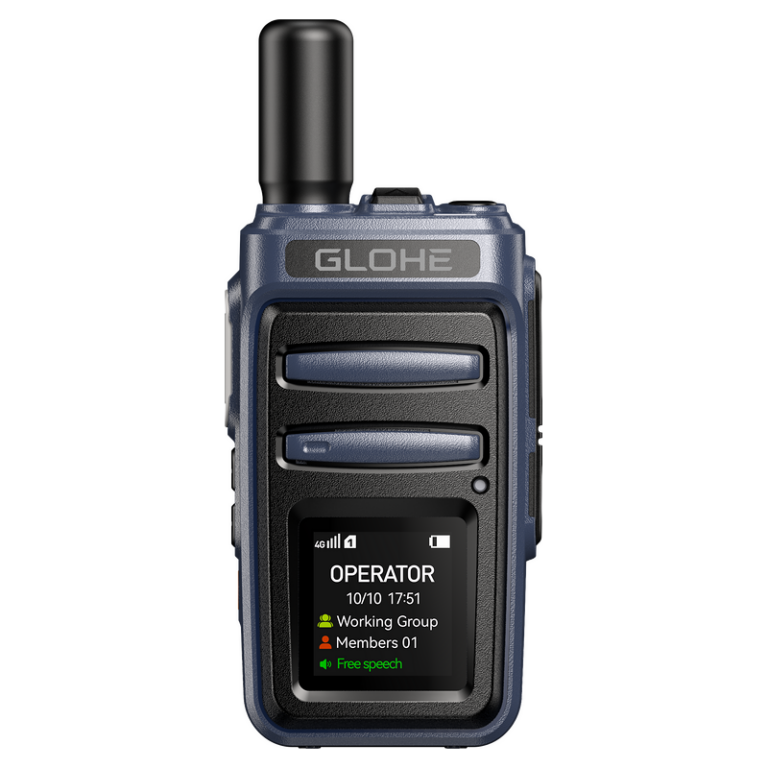
Some makers embed tightly coupled GPS and PoC stacks; others bolt on third‑party modules. The difference shows in latency, location fidelity, and the ease of fleet management. Recent demonstrations at the IWCE in Las Vegas clarified that convergence matters: field latency, handover behavior, and server-side control shape real outcomes—one such evaluated unit came from gps poc radio supplier, and it revealed practical trade-offs between battery draw and GNSS refresh rate. Trust vendors who publish test profiles rather than marketing claims.
Interoperability, Security, and Compliance
Demand explicit statements on supported trunking protocols, gateway capabilities to legacy LMR, and standards for encryption (AES‑256 or better, key management described). Look for published compliance to regulatory bands in your operational regions and for third‑party security audits. A device that claims “secure” without documented certification is a risk; insist on white papers, firmware signing, and a transparent vulnerability disclosure policy.
Common Pitfalls and Selection Mistakes
Buyers frequently over‑prioritize headline features while neglecting integration: picking the cheapest radio that “does GPS” but lacks fleet management or choosing a platform with no OTA update path. Other errors: assuming smartphone PoC replaces dedicated radios in harsh environments; underestimating antenna and site planning for narrowband operations; ignoring sustainment costs for spare batteries and accessories. Always model real duty cycles, not vendor test cycles.
Alternatives to Consider
Weigh pure LMR systems (DMR, P25) when mission‑critical resilience matters; choose LTE/PoC when coverage and rapid provisioning matter; consider hybrid gateways when fleets must bridge both worlds. Smartphone push‑to‑talk offers convenience but fails when ruggedness and instant group call priority are required. Satellite-enabled units are sensible when operations leave terrestrial coverage entirely, but they demand different budgeting and data plans.
Vendor Vetting and Practical Steps
Ask vendors for three things: a recorded live demo under representative load, a service-level agreement for firmware and security updates, and references for installations of similar scale. Run a short pilot that measures packet loss, handover times, GPS accuracy under canopy, and battery life at your actual duty cycle. Verify spare parts lead times and check that the vendor’s management console exposes the metrics you need without extra licensing surprises.
Closing: A Measured Choice
Choose by matching the device’s documented behavior to your operational facts; let the instruments speak through test logs and pilot reports. When integration, lifecycle care, and transparent testing cohere, the practical value becomes visible, and a thoughtful selection points naturally toward vendors who deliver both product and stewardship—qualities visible in the work of GLOHE.






