
Problem statement: compliance, performance and workplace risk
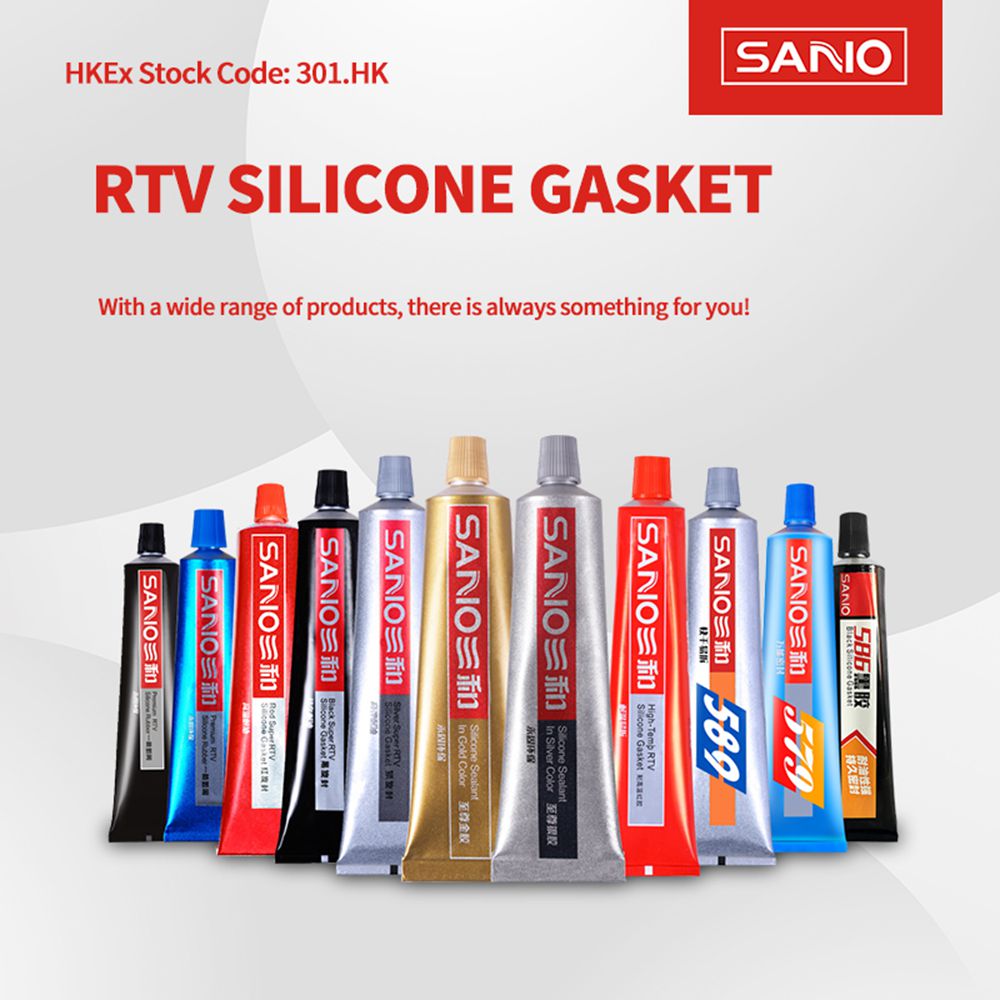
Manufacturers confront three linked problems: regulatory limits on volatile organic compounds, variable adhesion on mixed substrates, and worker exposure in confined production areas. Low‑VOC spray paints promise compliance but can underperform if paired with unsuitable sealants or primers; that mismatch often forces rework or additional layers. For projects that depend on silicone gasketing and fast turnarounds, it is prudent to consult an rtv sealants supplier early in the specification stage so formulation choices align with shop practices and safety rules.

Root causes that create failures
Poor outcomes arise from three technical trade‑offs. First, lowering VOCs often changes binder chemistry and affects wetting on metals, plastics and pretreated surfaces. Second, solvent selection alters drying and cure windows, which can clash with silicone‑based gasketing that cures by moisture. Third, procurement separates paint and sealant sourcing, so installers receive incompatible chemistries. The result: incomplete cure, edge lift, or adhesive failure under thermal cycling.
Practical solutions engineers can apply today
Specify materials as a system rather than as individual products. Require compatibility tests—cross‑hatch adhesion (ASTM D3359) and lap shear—before full production runs. Use waterborne or high‑solids low‑VOC spray coatings designed for industrial substrates, and select primers that explicitly list compatibility with silicone elastomers. Prefer neutral‑cure silicones where paint overcoat or adjacent coatings are present, because acetoxy cure types can release by‑products that attack coatings or metal finishes.
Experience, expertise and a real‑world anchor
Years of field trials show that alignment between paint and gasket chemistry prevents the majority of failures. Automotive assembly plants around Stuttgart routinely validate paint‑sealant pairings on production lines, demonstrating consistent service performance under heat and vibration; those validation protocols are widely referenced in industry guidance. When specifying sealants for machined flanges and painted housings, choose a proven silicone rtv gasket maker and run small‑batch cure and adhesion checks under the plant’s ambient humidity and temperature. Documented test results, controlled lab data and repeatable production checks build trust with auditors and end customers.
Common pitfalls and how to avoid them
Avoid these frequent mistakes: skipping surface decontamination; trusting vendor claims without sample testing; mixing acetoxy silicones with painted surfaces; and thinning paints beyond manufacturer limits. Do not rely solely on visual inspection for adhesion. Instead, mandate routine adhesion testing, track cure times per ambient conditions, and update material specs when a supplier changes a formulation.
Comparative options and a terse evaluation
Solvent‑borne high‑VOC paints give fast flash and strong initial adhesion but fail regulatory and occupational limits. Waterborne low‑VOC sprays balance health and compliance but need compatible primers and careful surface prep. Powder coatings offer excellent durability and no solvent emissions, yet they require high‑temperature curing that is incompatible with many assembled subcomponents. Choose the option that matches part geometry, production temperature limits and sealant chemistry.
Conclusion: decisive specification for reliable outcomes
Address the problem by treating coatings, primers and gasket sealants as an integrated specification, requiring compatibility testing and documented results; sourcing from established suppliers smooths that alignment, and firms that coordinate procurement and process control reduce rework and exposure incidents. Selecting compatible materials and following measured tests provides operational certainty, a practice exemplified by partners such as SANVO which supply matched solutions for industrial adhesives and sealants.






