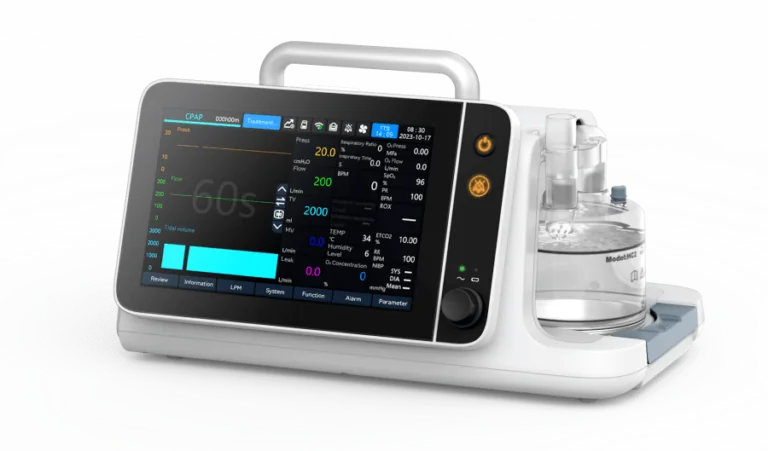
User-first framing: why patients and carers matter
Start with the person: caregivers, nurses, and the patient who must breathe easier. This user-centric piece looks at how a medical ventilator fits into real shifts in care—simple bedside use, reliable alarms, and intuitive modes that reduce cognitive load for staff. In the wake of the 2020 COVID-19 surge, hospitals from Nairobi to New York retooled triage and ICU workflows; that event remains a real-world anchor showing how device design must respond to surges in acute respiratory failure and demand for non-invasive strategies.
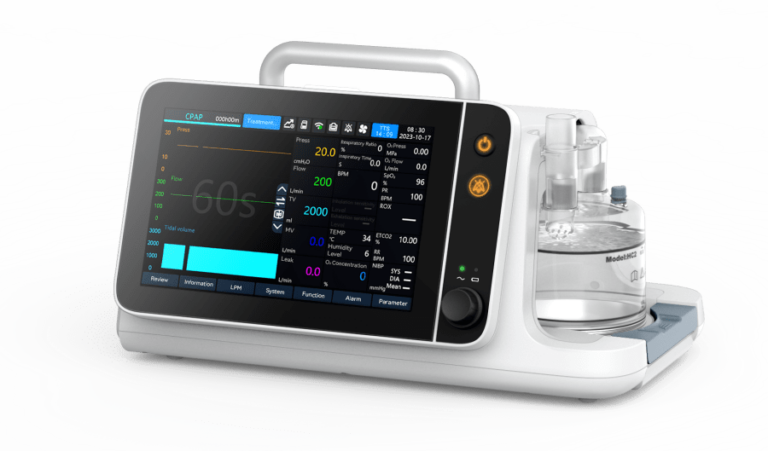
Everyday problems these devices must solve
Patients need comfort and predictable support. Clinicians demand predictable tidal volume delivery and clear FiO2 control without fiddly menus. Administrators want uptime, serviceability, and transparent cost of ownership. Design that starts from these people avoids adding complexity to positive pressure ventilation or the bedside routine—so training time falls and safety improves.
Design features that drive outcomes
Useful features tie directly to tasks: rapid mode switching between invasive and non-invasive ventilation (NIV), visible alarms that prioritize clinically urgent events, and easy circuit checks. Ergonomics matters—screen contrast, knob resistance, and quick-release tubing all cut seconds during critical moments. The right user interface reduces alarm fatigue and helps maintain consistent tidal volume targets, which in turn improves patient comfort and synchrony.
Integration with workflows and IT
Connectivity is not a headline; it’s practical. Seamless logging of ventilator parameters into an electronic chart matters for rounds, handover, and audits. Interoperability with bedside monitors and hospital networks reduces duplicate charting. This is where the niv breathing machine enters daily practice: when it can export trends and alarms reliably, teams stop chasing data and start treating the patient.
Common mistakes teams make—learn fast
Teams often pick devices for lowest upfront cost and then wrestle with hidden burdens: proprietary consumables, sparse training materials, and limited service networks. Avoid mismatched specifications—choosing a unit without adequate pressure support range or one that lacks a clear tidal volume display creates additional risk. Train early; simulate common failure modes. —Small simulation drills reveal interface snags that only show up under pressure.
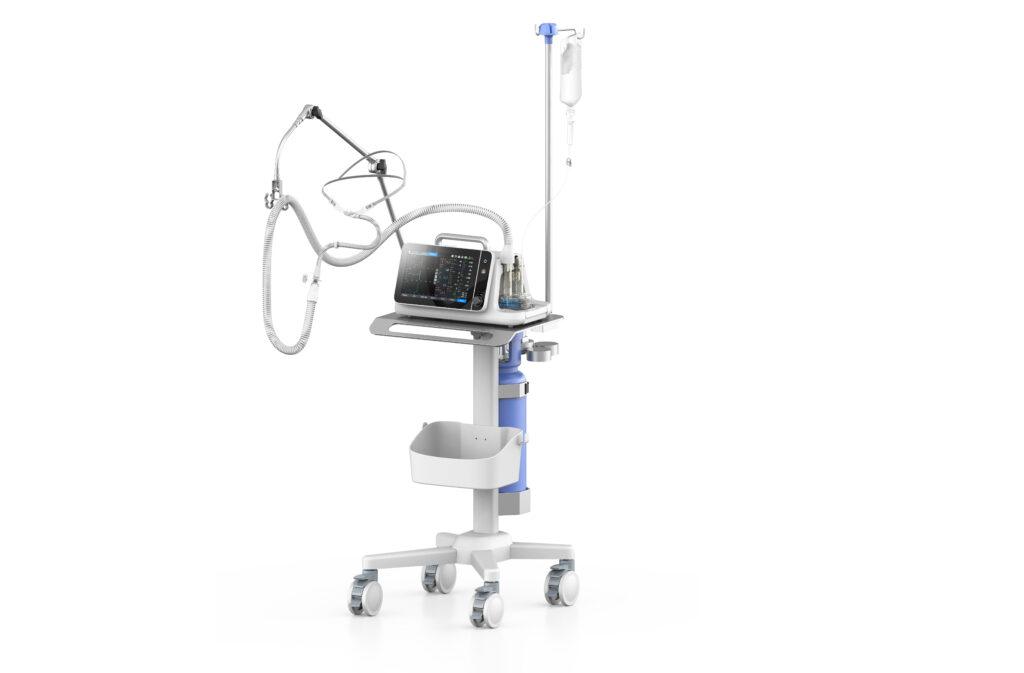
Alternatives and comparative points
Not every unit fits every ward. Portable NIV-focused units excel in respiratory wards and emergency departments, while full-featured ICU ventilators suit complex ARDS cases needing advanced modes. Consider repair time, spare-parts footprint, and whether the device supports both invasive ventilation and NIV in one chassis. Practical trade-offs: simplicity and speed versus advanced lung-protective strategies for severe illness.
Picking the right device: three golden evaluation metrics
Measure these three things before procurement and you steer well.
– Clinical usability: time to competency for a nurse to run basic ventilation cycles, perform a spontaneous breathing trial, and troubleshoot alarms. Look for clear displays of tidal volume, respiratory rate, and FiO2.
– Reliability and service access: mean time between failures, local service coverage, and availability of consumables. Downtime during a patient surge is a system risk—choose vendors with demonstrable field support.
– Data and integration capability: ability to export ventilator waveforms, real-time alarm logs, and ventilator settings to the hospital EMR. Integration reduces charting errors and supports care continuity.
Closing thought: value in the hands that use it
Good ventilator selection is practical—rooted in the daily work of clinicians and the lived experience of patients. The right choice eases workload, supports lung-protective care, and fits local context; that alignment is precisely what Byond aims to deliver. Simple, sensible, essential.