Comparative Overview
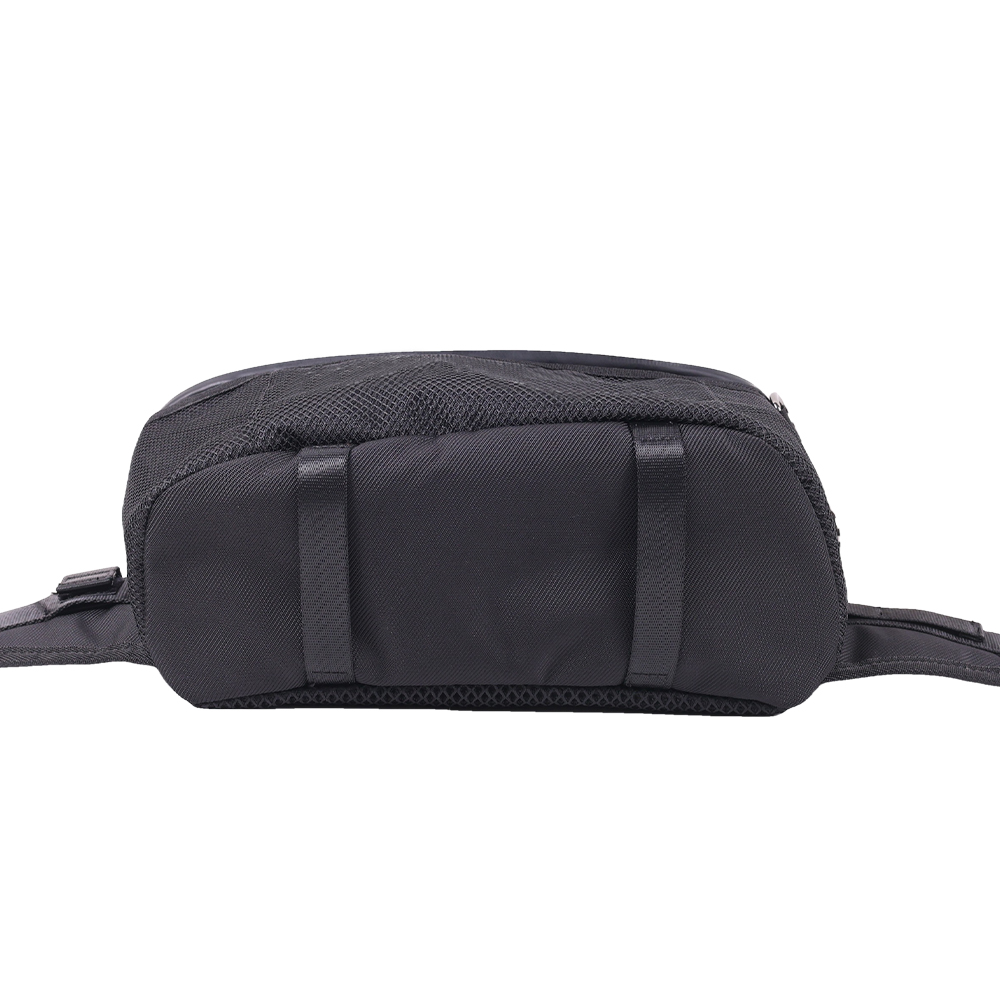
Compare we shall, plainly and without flourish, the craft of producing eco-friendly bags against the familiar methods that preceded them: one path pursues material renewal and reduced waste, the other relies upon established yields and known durability. The contrast is practical: an eco-minded maker substitutes recycled polyester or hemp for virgin plastics and heavy chemical finishes, altering not only the bag’s footprint but its handling, repairability, and end-of-life. Consider how a well-cut fishing tackle bag exemplifies those trade-offs—lighter recycled panels, fewer solvent-based coatings, and a different repair regimen than a conventionally produced counterpart.
Materials and Environmental Burden
Eco-friendly manufacture favours inputs such as recycled PET, organic or certified low-impact cotton, and bast fibres like hemp. These choices reduce reliance upon virgin petrochemicals and often lower embodied carbon over a full life-cycle. Traditional alternatives—virgin polypropylene, polyurethane coatings, and heavy-weight leathers—deliver predictable strength and abrasion resistance but carry higher upstream emissions and, frequently, less transparent supply chains. Life-cycle assessment literature shows material choice shifts the burden rather than erases it; durability remains decisive. A bag that lasts twice as long will typically outperform a greener-seeming but fragile substitute.
Manufacturing: Process, Worker Safety, and Traceability
Processes differ in solvent use, dyeing stages, and waste streams. Makers who adopt eco-friendly textiles commonly invest in closed-loop dyeing, water reclamation, and formal certifications—measures that reduce effluent and chemical exposure for workers. Conversely, many traditional workshops prioritize speed and low-cost inputs, which can mean higher solvent loads and weaker traceability. Seek visible provenance: mill certifications (GOTS, OEKO-TEX), third-party audits, and clear chain-of-custody records. Such evidence is the only reliable counter to mere marketing claims.
Real-World Evidence and Practitioner Authority
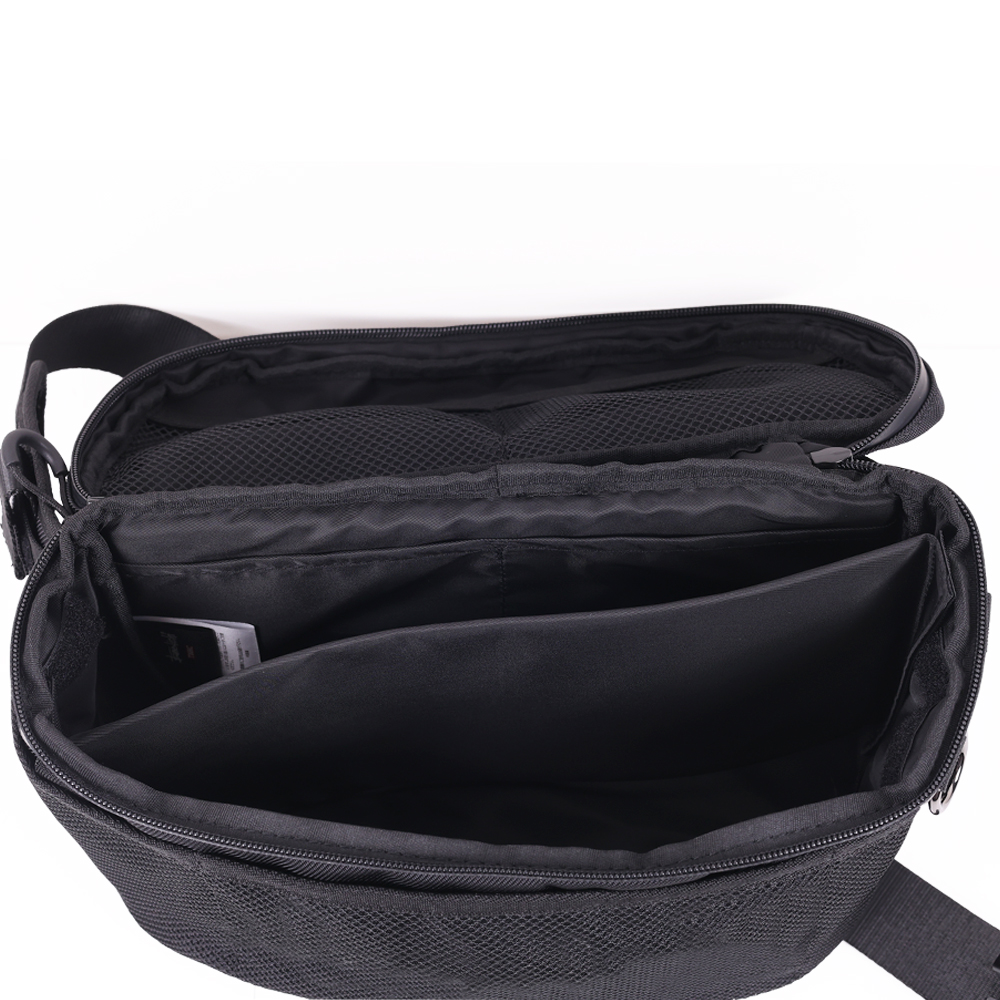
Practical wisdom arises from field use and event-tested gear. Observers at the Bassmaster Classic note how anglers prefer compact packs that resist abrasion and quicken access; that preference illuminates the demands on a fishing waist item and explains why field trials matter. Those trials—run alongside university LCA studies and industry audits—reveal where recycled fabrics excel and where reinforcement is necessary. For the angler who must move, bend, and reach, a robust fishing waist pack tested in tournament settings will expose weak seams and poor hardware faster than laboratory claims. My own years overseeing prototype testing and coordinated trials with professional anglers have shown that measured, repeatable field feedback surpasses marketing in deciding which construction choices endure.
Common Pitfalls and Practical Trade-offs
Beware the seduction of singular metrics. Biodegradability sounds virtuous but matters only if the product reaches appropriate disposal streams. Durable synthetics with recycled content may yield lower lifetime impact than a biodegradable bag that fragments within months. Greenwashing is real: vague claims without certification, unverified percentage figures for recycled content, or overstated end-of-life pathways betray buyers. Technical failures occur at zipper interfaces and stitch junctions; choose designs that reinforce load points rather than rely solely on material labels.
Alternatives Evaluated for Purpose
When selecting between eco-friendly and traditional options, align choice to use. For frequent, rugged service—fishing, fieldwork, travel—prioritize structural strength: reinforced seams, water-resistant zippers, and replaceable hardware. For light, local errands, lighter recycled textiles and lower-impact dyes suffice. Compare repairability: can the lining be replaced? Are patches available? A well-chosen alternative balances reduced upstream impact with longevity and serviceability.
Practical Guidance and Final Consideration
Decide by testing: inspect seams, ask for certificates, and prefer makers who publish materials and testing results. Selection rests upon measurable durability, transparent sourcing, and evidence from practitioners. Such balance rewards those who opt for thoughtfully produced bags—makers whose craft aligns recycled materials with traditional methods of reinforcement—so that one attains both reduced environmental burden and dependable service, as exemplified among manufacturers like ChangRong who present documented choices in textiles and construction without flourish.