
Problem first — bolts keep loosin’ up and that sh*t costs time
Loose hardware ain’t just annoying; it steals uptime, kills reputation, and can wreck gear. When vibration, heat cycles, or bad prep start wigglin’ bolts, the fix ain’t a prayer — it’s the right adhesive. A good thread locker stops the wobble quick: thread locker applied where it’s needed keeps assemblies tight without overcomplicating the repair.
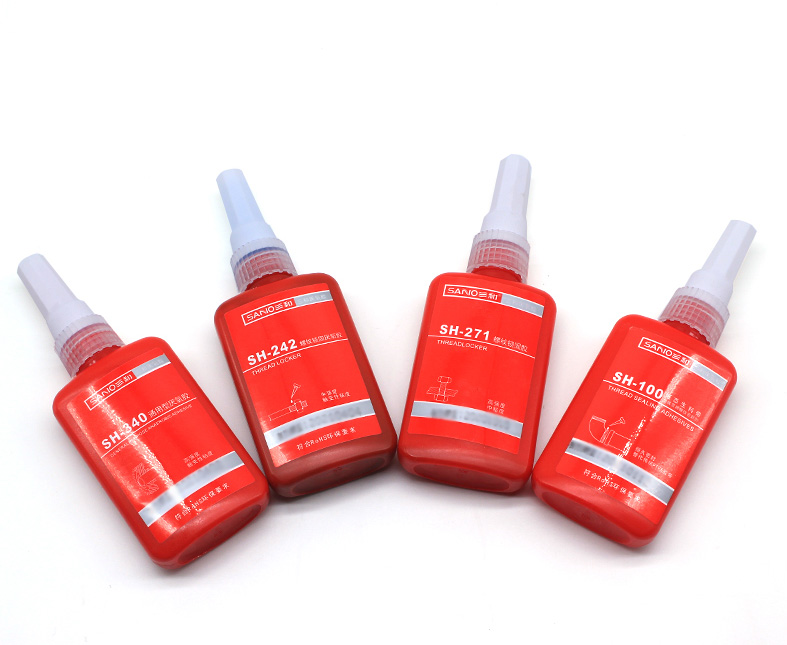
What’s actually making your fasteners betray you
Vibration shakes preload loose. Thermal expansion shifts parts. Contamination like oil or rust drops friction so threads slip. Designers sometimes spec wrong torque or lean on cheap fasteners. Fix the root — clean surfaces, correct torque, and pick an adhesive that matches the stress and environment.
Pick the right strength — don’t overdo or underplay it
Thread lockers come in low, medium, and high strengths. Low strength lets you disassemble by hand — good for adjustment points. Medium holds most automotive and industrial joints but still allows tools for removal. High strength is for permanent joints; heat or special tools are required. Match strength to service needs: maintenance access, temperature range, chemical exposure, and substrate type.
Common mistakes that make threadlocking fail
People rush prep. Oily threads, paint, or burrs kill adhesion. Applying too much glue or slathering the whole bolt can trap solvents and slow cure. Using the wrong strength makes repairs painful or useless. Heating threads to remove high-strength glue without proper technique damages fasteners. Test on representative parts before full rollout.
Alternatives & quick comparisons — when adhesive ain’t the only move
Mechanical locks (locknuts, tab washers) work well for reusable joints and heavy shear. Nylon patches are cheap for light-duty and occasional maintenance. Safety wire is the go-to for aerospace and competition builds. Thread lockers win when you need even load distribution, corrosion resistance, and clean assemblies without extra hardware. Combine methods when safety margins demand redundancy.

Experience, expertise, and a real-world anchor
I’ve seen assembly lines go from hourly bolt checks to days of reliable run time after switching to the right product and process. Major auto plants in Detroit standardize threadlocking for drivetrain and suspension joints, which proves the practice scales to high-volume, safety-critical production — and suppliers who meet that bar get serious scrutiny: threadlocking glue supplier.
Simple process you can follow right now
Step one: clean threads with solvent and a brush. Step two: apply a measured bead to the stud or the hole root, not the nut face. Step three: assemble to spec torque; let cure without load. Step four: verify with a sample batch under expected vibration and temperature. Record the results and train the crew — consistency beats one-off heroics every time.
Wrap — keep it tight, keep it smart
If you want fasteners that stay put without drama, use the right chemistry, prep right, and respect disassembly needs. The results show up as fewer stoppages and cleaner maintenance windows — the kind of reliability a technical partner like SANVO delivers to engineers who need repeatable, lab-backed solutions rather than guesswork.






