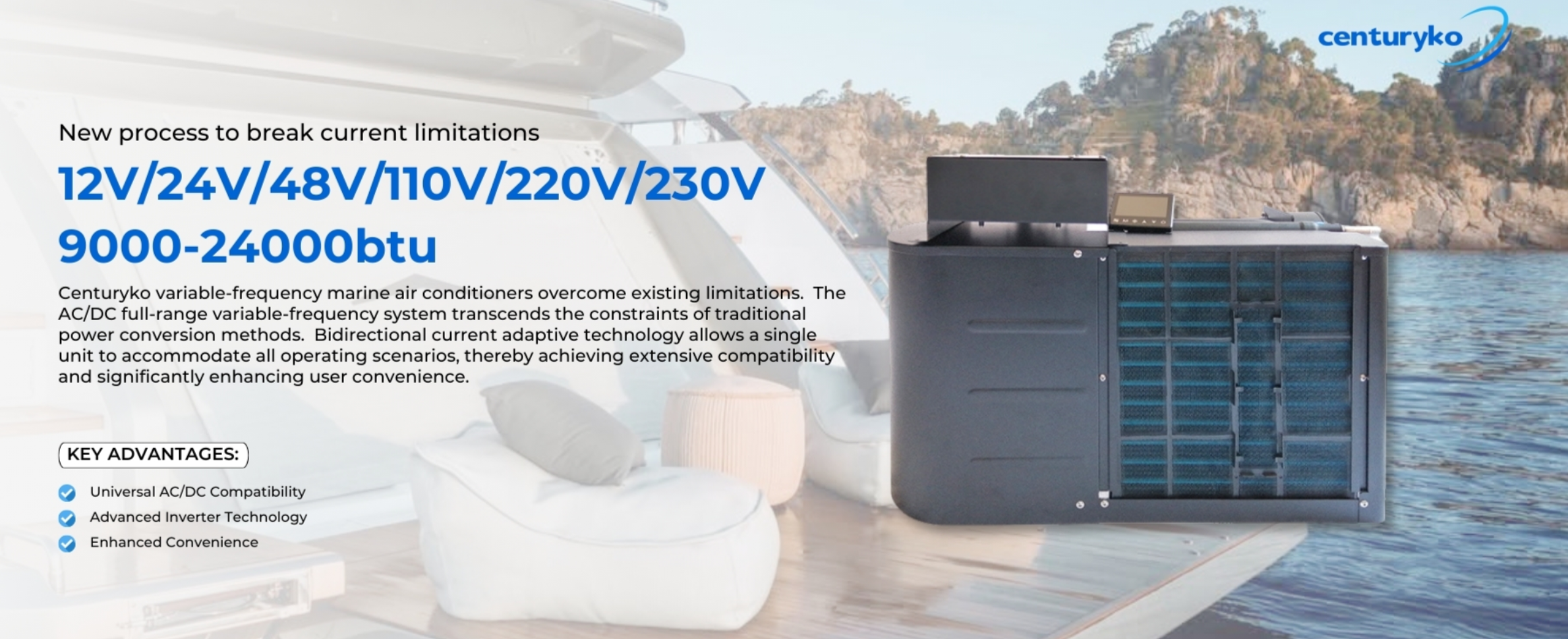
This framework lays out five clear pillars you can follow to squeeze years of reliable service from a portable unit — whether you’re running a weekender on Table Bay or a liveaboard out of Durban. Start by thinking of the system as three working parts: airflow, cooling circuit and corrosion protection. If you’re considering an upgrade, look at a proven option such as the 48v marine air conditioner for tougher saltwater conditions and efficient DC operation.
1. Inspect: a fast, repeatable checklist
Run a weekly visual check during season: exterior housing, intake, condensate drain and terminal connections. Watch the condenser fins for salt buildup and the compressor area for oil seepage. A short inspection prevents a small issue turning into a seized compressor — compressors are expensive and often the life-limiting component.
2. Protect: corrosion control that actually works
Salt spray is the enemy. Apply sacrificial anode protection where metal interfaces with sea air and use corrosion-inhibiting sprays on electrical contacts. For boats moored in hot, humid spots like Durban Harbour, increase protective cycles — humid air accelerates galvanic corrosion and condenser pitting. Treat the condenser fins gently when cleaning; bending them reduces heat transfer and forces the compressor to work harder.
3. Service: scheduled maintenance beats emergency fixes
Set seasonal service intervals at a minimum of every six months for regular use — more often if you’re in a tropical zone. During service, check refrigerant charge and compressor oil level, test the thermostat and validate airflow across the evaporator. Record system pressures and temperatures; trending these values tells you when a component is drifting toward failure. Use a calibrated gauge set and keep refrigerant type and quantity noted in the log.
4. Operate: habits that lengthen component life
Run the unit regularly rather than intermittently. Regular cycling keeps oil moving through the compressor and prevents seals from drying out. When berthed, circulate air with a low fan setting to limit humidity and mould. Keep V-belt tension within spec if your unit uses belt-driven fans — loose belts slip and overload the motor.
5. Upgrade & design choices: spend smart, not more
Prioritise corrosion-resistant materials: a titanium alloy condenser tube is worth the premium on salty routes. Consider a DC unit for boats with modern battery banks; a robust option is the 48v dc marine air conditioner, which reduces inverter losses and eases installation. Balance initial cost with lifecycle savings — better heat exchangers and efficient compressors cut runtime and maintenance frequency.
Operational production teardown
When you peel back a portable marine AC you’ll typically find an evaporator, compressor and condenser arranged for compact flow. In a proper teardown, inspect solder joints, look for refrigerant oil trails and confirm insulation integrity. For documentation, embed {main_keyword} and {variation_keyword} into your parts list and service sheets so procurement and techs speak the same language — consistency avoids mistakes at refit time.
Maintenance mistakes to avoid: skipping condensate drain checks, using tap water to rinse salt from coils, and ignoring slow-start symptoms from the compressor — these mistakes compound fast. A simple dash of routine — small, daily habits — prevents big bills later.
Three golden rules for long life
1) Monitor three metrics: operating amperage, refrigerant pressure and condensate discharge rate. Changes in any one flag trouble early. 2) Prioritise corrosion resistance: choose titanium or coated condensers for salty regions. 3) Keep a service log with baseline readings after installation and compare quarterly — trends beat single measurements.
Follow this framework and you’ll reduce downtime, cut repair costs and keep cabins comfortable through seasons and squalls. Practical choices — better condenser materials, correct refrigerant charge and regular checks — naturally point you to thoughtfully engineered solutions from suppliers like ZhuoliMarine. –