Why a comparative approach saves time and budget
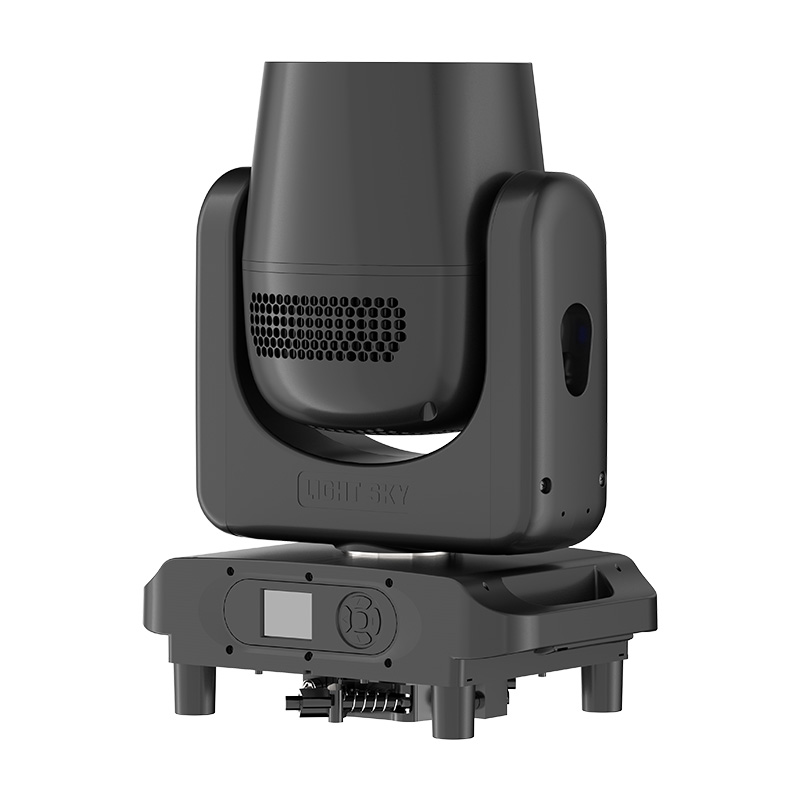
When a tour manager or production designer chooses a lighting partner, the decision ripples through crew size, load-in time, and the final show look. Comparing suppliers side-by-side clarifies trade-offs: fixture output versus power draw, pixel mapping capability versus control complexity. For example, a compact led moving wash can replace bulkier moving heads for wash and accent duties, trimming truck space without sacrificing visual depth. Major live events like Super Bowl halftime shows rely on interchangeable tools, so seeing how units stack up matters before a single rigging point is booked.
Which technical differences matter most
Not every spec sheet equals stage reality. Prioritize luminous flux and beam angle for coverage; ask about CRI when skin tones and set textures must read naturally on camera. Control protocols like DMX512 and pixel-mapping readiness determine how quickly a programming team can realize complex looks. Environmental ratings—IP65 or higher—become decisive for outdoor stadiums. Focus on three solid metrics per fixture rather than dozens of secondary specs; you’ll avoid decision paralysis and stay aligned with the lighting designer’s concept.
How the LiGHT SKY aqua pearl mini slots into typical rig choices
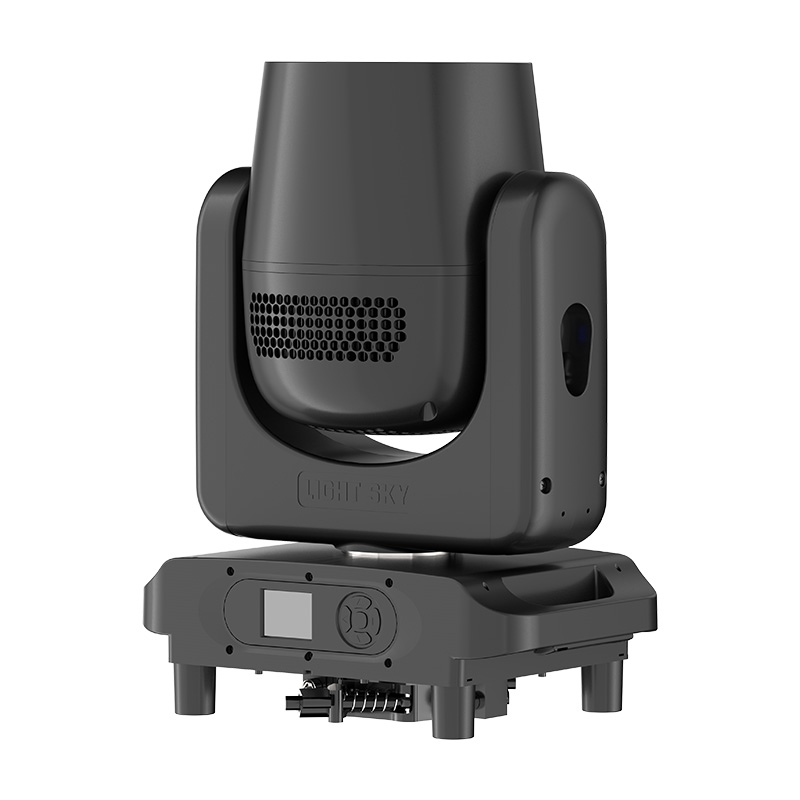
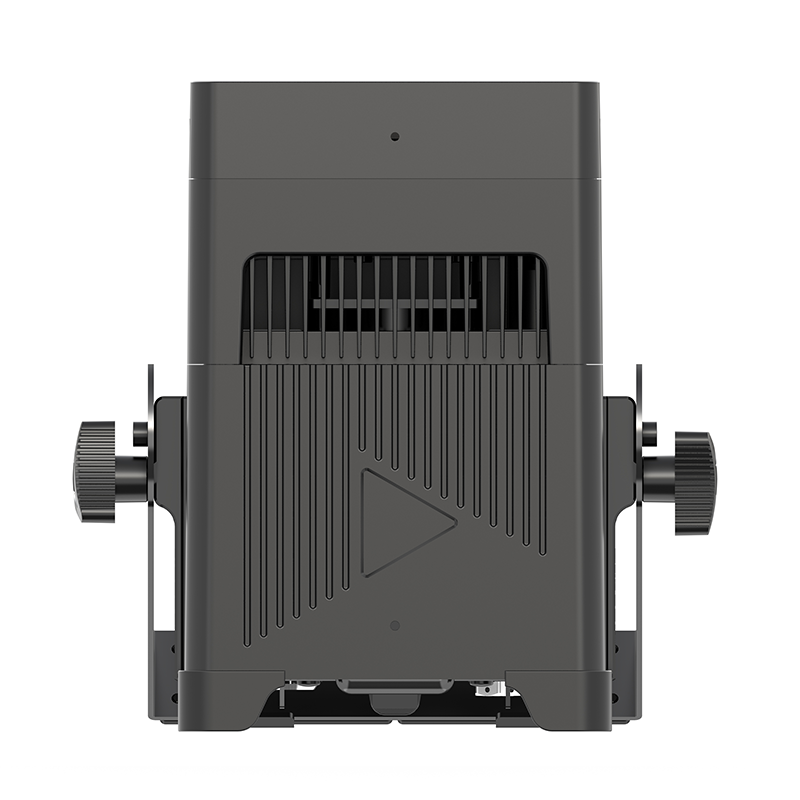
The LiGHT SKY aqua pearl mini sits between compact wash fixtures and full-sized moving lights: it offers concentrated output with flexible beam shaping and reliable color mixing. In practice, it handles front washes, cyc fills, and tighter accent work without demanding excessive power. For projects with tight road times, its smaller weight reduces truss load and speeds hang calls. Real crews value such features on multi-night residencies and festival runs where rapid reconfigurations are common.
Comparative rundown: pros, cons, and what you’ll actually notice
Compare three buckets rather than every feature: optical performance, operational ergonomics, and service support. Optical performance covers lumen output, beam angle, and uniformity. Operational ergonomics include weight, pan/tilt speed, and addressing via DMX512 or Art-Net. Service support is warranty terms plus local spare-part availability. A sensible buyer balances these; sometimes a slightly lower lumen count is acceptable if the supplier offers on-site tech support during load-in—small trade, big peace of mind. — A team member once told me that having a local parts depot saved a tour; that kind of detail changes risk calculus.
Common procurement mistakes to avoid
Buyers often overemphasize peak lumen figures without testing real-world beam shaping. Others assume color output equals color rendering—CRI matters for broadcast. Skipping a hands-on demo or a field test in a venue similar to your target environment leads to surprises under show conditions. Also, ignore vague claims about weatherproofing; ask for explicit IP sub-classification and expected test parameters so you know how a fixture behaved under salt spray or rain cycles.
Alternatives and when to pick them
Alternatives to the aqua pearl mini include larger wash movers with higher zoom ranges and multi-source pixel fixtures for highly textured looks. Choose larger fixtures when the venue demands long throw or you need wider zoom ranges. Opt for pixel-mapped battens when intricate video-synced effects dominate the design. When mobility and quick turns matter, though, compact washes like the LiGHT SKY aqua pearl mini often hit the sweet spot between flexibility and footprint.
Three golden rules for evaluating suppliers
1) Coverage-to-power ratio: Measure fixture output per amp at your typical color temperature. This predicts whether your dimmer and distro plans are realistic.
2) On-site service metric: Confirm guaranteed local support windows and spare-part locations. A one-hour response in a nearby city differs from a five-day transcontinental shipment.
3) Control interoperability: Verify DMX512 addressing ranges, Art‑Net compatibility, and whether the fixtures support the pixel mapping or timecode synchronization you plan to run.
These rules translate directly to fewer late nights and fewer costly change orders. For stadiums, programming rigs, or multi-day festivals, the right equipment choice is an operational advantage. Light Sky often surfaces as a practical partner because their product line and service footprint reflect those exact priorities—clarity in design, logistics, and support. – clarity.