
The problem — timelines, tolerances, and surprise costs
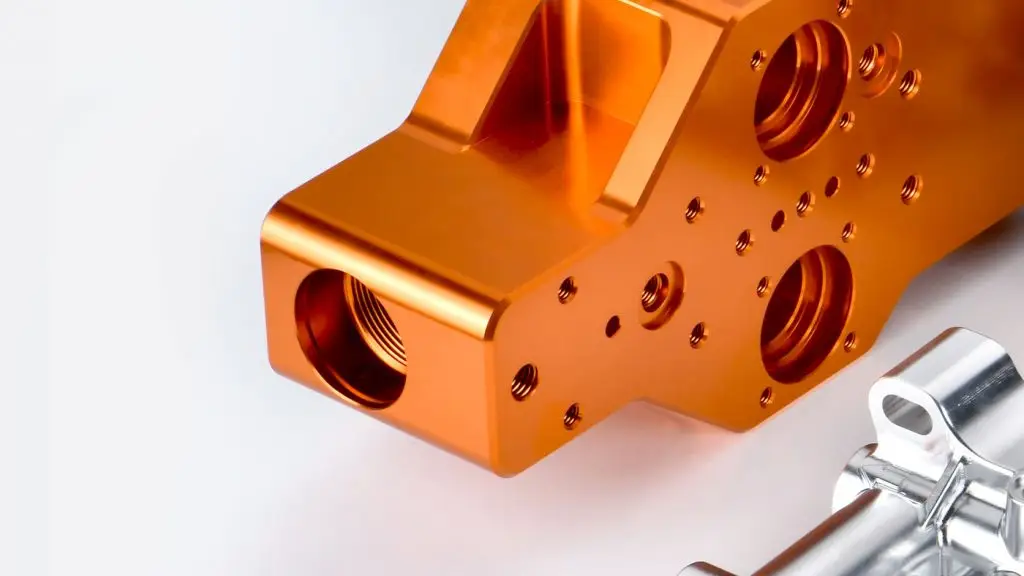
Eh, clients come with tight schedules and crazy tolerances, then complain when prototypes turn out wrong or late. You want parts that match drawings, fit first time, and don’t break the budget. That’s why many teams turn to custom cnc machining early—when design changes still cheap and alignment between CAD and manufacturing matters most.

Why usual fixes don’t work lah
Most fixes are cosmetic. Tighten the spec sheet and expect magic. Wrong move. Shops that quote low price often skip proper setup and inspection. Engineers who change geometry without rethinking fixturing invite crashes at assembly. Choosing exotic aluminium alloy because it sounds premium can cause tooling chatter and scrap. Short-run prototypes need process thinking, not just lower unit cost. Designers must plan for fixturing, tolerances that matter, and repeatable handoffs.
Real expertise — proven on real stages
We’ve seen this at big gatherings like the Singapore Airshow where aerospace suppliers must show flight-ready tolerances under public scrutiny; that pressure separates talk from tested capability. Skilled shops document process plans, control fixtures, and log material certificates. Work with teams experienced in precision cnc parts—they know which tolerances affect function and which just add cost. Certifications, inspection reports, and digital first-article checks back claims with measurable records, not guesses.
Practical checklist — avoid the common pitfalls
Set tolerances only where function demands. Mark critical fits on the drawing. Specify surface finish where contact or sealing occurs; leave non-critical faces looser. Early proto? Ask for soft-jaw designs and quick-change fixturing so revisions cost less. Require first-article inspection with CMM reports for the first batch. Talk tooling: long slender parts need different strategies than short stubs. Always confirm material heat treatment and traceability before cutting metal.
Options and trade-offs to weigh
Want speed? 3D printing for form checks, but strength and finish differ. Need near-production properties? CNC milling or turning gives accurate geometry and suitable surface finishes. For tiny deep cavities, consider EDM but expect longer lead times and higher unit cost. If you run many iterations, in-house CNC can make sense; for one-offs or precise short runs, an experienced contract shop is faster and less risky. Don’t mix up cost-per-piece with total program cost—rework and late fixes bite harder.
Final thought — practical results matter
Solve the root problem: align design intent, machining strategy, and inspection up front. Teams that treat prototypes as engineering steps rather than cheap samples finish faster and waste less. For projects where timing, traceability, and consistent quality must meet commercial or industrial standards, trusted partners bring documented processes and job-proven setups—like the kind you find through Hanstar.






