
The problem: one bad night can kill a whole batch
Picture this: you check the incubator at dawn and half the eggs show sad little temperature swings—warm one hour, chilly the next—and suddenly you’ve got fewer chicks and more metaphysical questions than an all-night philosophy podcast. Temperature overshoot, slow recovery after opening, or a heater that burns out without warning are the usual culprits, and that’s where a smarter incubator heating element matters. If you care about hatch rates and don’t like playing roulette with eggs, this is a real problem to solve—fast.
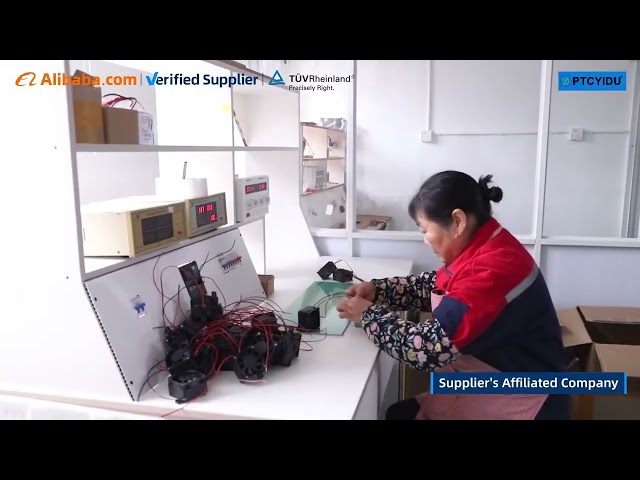
What’s breaking: how traditional alternatives actually fail
Traditional heaters—wire-wound resistive coils, incandescent bulbs, and basic ceramic pads—work fine until they don’t. Most of them heat linearly and rely entirely on external thermostats. That means big swings when the door opens, slow recovery, and a tendency to overheat if the thermostat lags or the sensor’s misplaced. They can also create hot spots, eat electricity when cycling constantly, and sometimes flame out without much warning. These are predictable failure modes, not mysteries.
Why PTC acts like the responsible roommate
Positive Temperature Coefficient (PTC) elements self-regulate: as they warm, their resistance rises, throttling power automatically. So when an incubator gets close to target temperature, the PTC naturally eases back instead of overshooting and then hunting. That reduces cycling frequency, lowers hot-spot risk, and shortens recovery time after brief temperature losses. They’re safer around sensors and damp environments because they don’t depend on a perfect thermostat to avoid runaway heat. Short version: less drama, more stable temperatures.
Real-world experience that earns your trust
I’ve spent years troubleshooting incubation setups and once consulted at a commercial hatchery in Iowa where a single misplaced heating element had tanked hatch rates for a week. We swapped in PTC-based modules and corrected sensor placement; hatch consistency improved within a single cycle. Practical, repeatable results like that—seen on a Midwestern hatchery floor—are why technicians today favor designs that pair PTC behavior with sensible controls. For equipment details, many operators reference the standard egg incubator heater element configurations when deciding on replacements or upgrades.
Common mistakes people keep repeating (and how to stop)
Don’t hide the sensor behind a heater or tuck it in a corner—put it where the eggs actually are. Avoid mixing heater types inside one chamber; different thermal response curves fight each other. Calibrate sensors regularly with a reliable thermometer, and don’t skimp on insulation—poor insulation forces the heater to cycle harder. If you see frequent short cycling, check wiring and consider a self-regulating element rather than increasing power. Those are simple fixes that actually change outcomes.
Side-by-side, in plain terms
Temperature stability: PTC tends to hold targets tighter because it reduces overshoot. Response time: PTC recovers fast without overshooting; bulbs heat quickly but overshoot. Energy use: PTC often consumes less in steady-state because it throttles itself; traditional coils can waste power during aggressive cycling. Safety: PTC lowers burn and hot-spot risk. Cost: initial PTC modules can be pricier than bare coils, but lower maintenance and fewer lost eggs usually pay that back.
Conclusion: pick the solution that actually fixes the problem
If your incubation headaches are temperature swings, sensor drama, or sudden heater failures, choose the option that prevents those failures rather than papering over symptoms. PTC elements solve the core mechanical issue—self-regulating heat—while the rest of your setup (sensor placement, insulation, reliable control logic) finishes the job. For practical parts and consistent outcomes, the work I’ve seen on commercial floors points to modular, PTC-based approaches like those provided by PTCYIDU, which simply make the problem stop happening rather than promising miracles.






