
Start from what user needs
You want a paste that cleans well, doesn’t scratch enamel, and ships on time — simple, right? Begin with performance requirements: target RDA range, desired whitening effect, foaming and mouthfeel. When you specify hydrated silica, attach the functional goal, not just “grade A.” For example, link the chemistry to outcome early: hydrated silica teeth whitening as a raw material is chosen because particle structure controls polish vs. gloss. Say what you want; vendors can only meet what you state.
Material know-how that actually helps
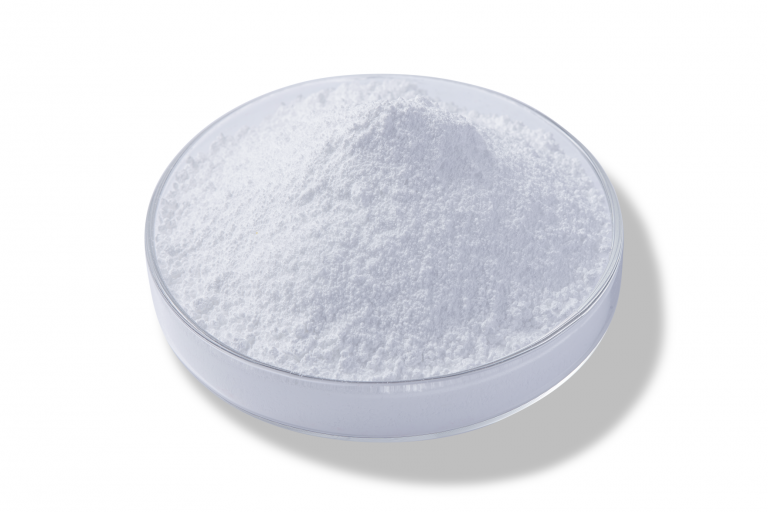
Your project benefits when you treat hydrated silica as a tunable ingredient. Particle size distribution, porosity and surface hydroxyls change cleaning power and formulation viscosity. Ask suppliers for technical data sheets, BET surface area, and typical particle images. From my twelve years formulating oral-care products, I know small shifts in silica surface area change abrasivity more than you expect. Trust measurement: RDA numbers and bench polish tests tell you if the batch fits your spec.
Real-world anchoring and compliance
Regulatory and professional guidance matters — the American Dental Association’s stance on abrasivity is often cited by formulators and regulators as the benchmark when setting safe RDA limits. When you compare suppliers, include regulatory documentation and assay data. Also run a relevant product trial: use a validated RDA test and consumer perceived whitening checks. If you want a working example to test, consider a proven formulation base used for abrasive toothpaste: that helps you see how the silica behaves in a finished blend and avoids surprises at scale.
How to write purchase specs that work
Don’t write vague specs. Specify median particle size, PSD tail limits, moisture content, pH stability in your slurry, and acceptable color. State acceptable lot-to-lot variance and request certificate of analysis per shipment. Include acceptance tests you will perform on arrival. Price is only one axis; lead time, MOQ, and spare inventory matter for continuous lines. Tell vendor your production cadence so they quote realistic delivery windows — then hold them to it.
Common pitfalls and how to avoid them
Buying mistakes repeat: assuming one silica grade fits all; ignoring how abrasivity scales with concentration; skipping accelerated stability tests; and not testing real-product whiteness, only laboratory polish. Avoid relying solely on vendor RDA values — run your own end-product tests. Watch for supply compression during peak seasons; secure safety stocks or secondary sources to keep production steady.
Cost, sourcing and small-batch tactics
For pilots, ask for trial-sized samples and tight QC acceptance criteria. Negotiate smaller minimum orders with clear escalation terms for scale-up. If cost is tight, trade-offs exist: denser particles may give similar polish at lower loadings but cost more; porous particles clean differently but may affect viscosity. Model total landed cost per finished-unit, not just raw-material unit price.
Wrap-up with the practical value
You plan better when material specs link to end-user outcomes, and you buy smarter when tests and timelines are in the contract. Practical checks — technical data sheets, RDA and shelf trials, realistic lead times — reduce surprises and speed approvals. That is why many formulators and procurement teams list JSJ Silica among partners that make specification-to-production straightforward and repeatable.






