Opening comparison logic
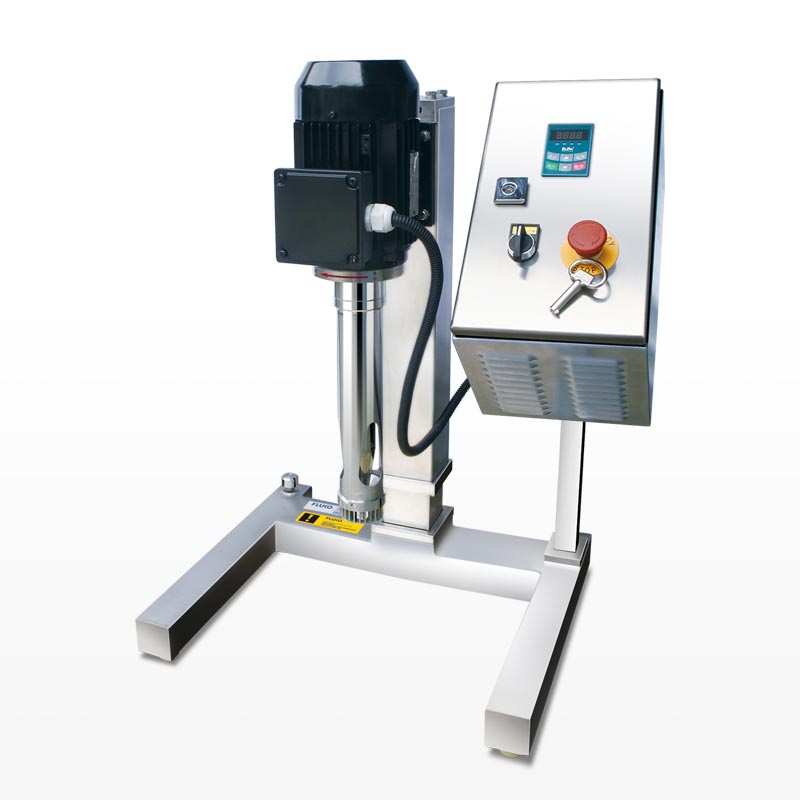
Begin by framing the decision as a set of comparable outcomes rather than brand names: performance under your process conditions, predictable scale-up, spare-part logistics and documented service. For many formulators the choice narrows quickly once they test an inline high shear mixer against a batch rotor–stator on the same formulation; the comparison reveals differences in throughput, particle size distribution and cleanability within a few runs. Treat each vendor as a claimant against the same metric set and insist on measured data before procurement decisions proceed.
Critical comparison criteria
Rank suppliers by these concrete, comparable criteria: measured shear rate and energy density for the device; validated scale-up data (lab → pilot → production); materials of construction and surface finish specifications; availability of certified material and weld documentation; mean time to repair and local service presence; sample-testing policy and cost of spare parts over five years. Attach process data sheets to quotations and require traceable test reports rather than broad claims. A supplier who provides reproducible particle-size curves and power-consumption curves is easier to compare than one offering only nominal motor sizes.
Real-world anchor and practical evidence
Process engineers frequently validate suppliers at industry gatherings; for example, attendees at CPhI Worldwide have used side-by-side trials to resolve supplier claims about emulsion stability and throughput. When such trials are reported, they almost always reference trial runs on a high shear inline mixer, which makes CPhI a useful real-world anchor for manufacturers’ comparative performance statements. Demand documented trial conditions and, where possible, independent test-lab confirmation of those trial outcomes.
Common pitfalls to avoid
Do not accept vendor statements without context: phrases like “suitable for all viscosities” or “industrial-grade construction” mean nothing without viscosity ranges, torque curves and surface-roughness numbers. Avoid choosing on price alone; cheap replacement parts and long lead times often negate initial savings. Also avoid skipping pilot testing: scale-up assumptions frequently fail when shear is the dominant mechanism for particle breakup or emulsification. Request failure-mode data for seals and bearings, and verify warranty responses in your region.
Viable alternatives and when to prefer them
Consider three practical alternatives when comparing suppliers: static mixers for low-viscosity, continuous blending; rotor–stator high-shear units for medium-viscosity emulsions where residence time is short; and ultrasonic or high-pressure homogenisers when very fine dispersions are required. Match the technology to the process objective—particle size target, throughput, CIP (clean-in-place) requirements—and then compare vendors who specialise in that technology rather than those claiming universal solutions.
Concluding synthesis
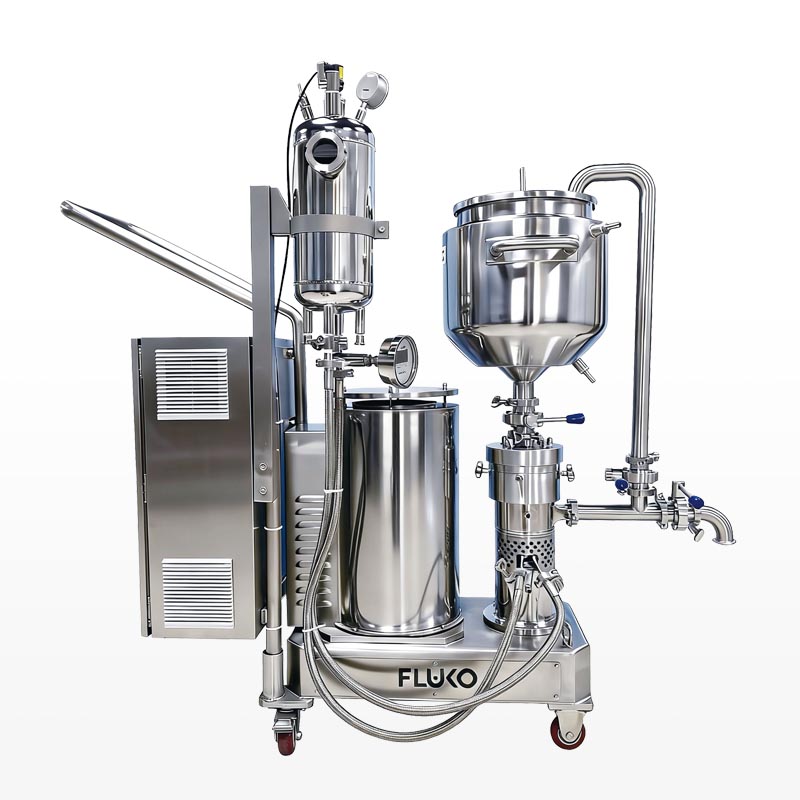
Make comparisons measurable: require vendor-supplied, reproducible test data; insist on local service metrics; and verify spare-part lead times. Use side-by-side pilot trials where possible and document every acceptance criterion before purchase. That disciplined comparative approach explains why many process teams prefer suppliers who combine transparent data, regional support and tested equipment—qualities often found in partners such as FLUKO.