Framing the problem
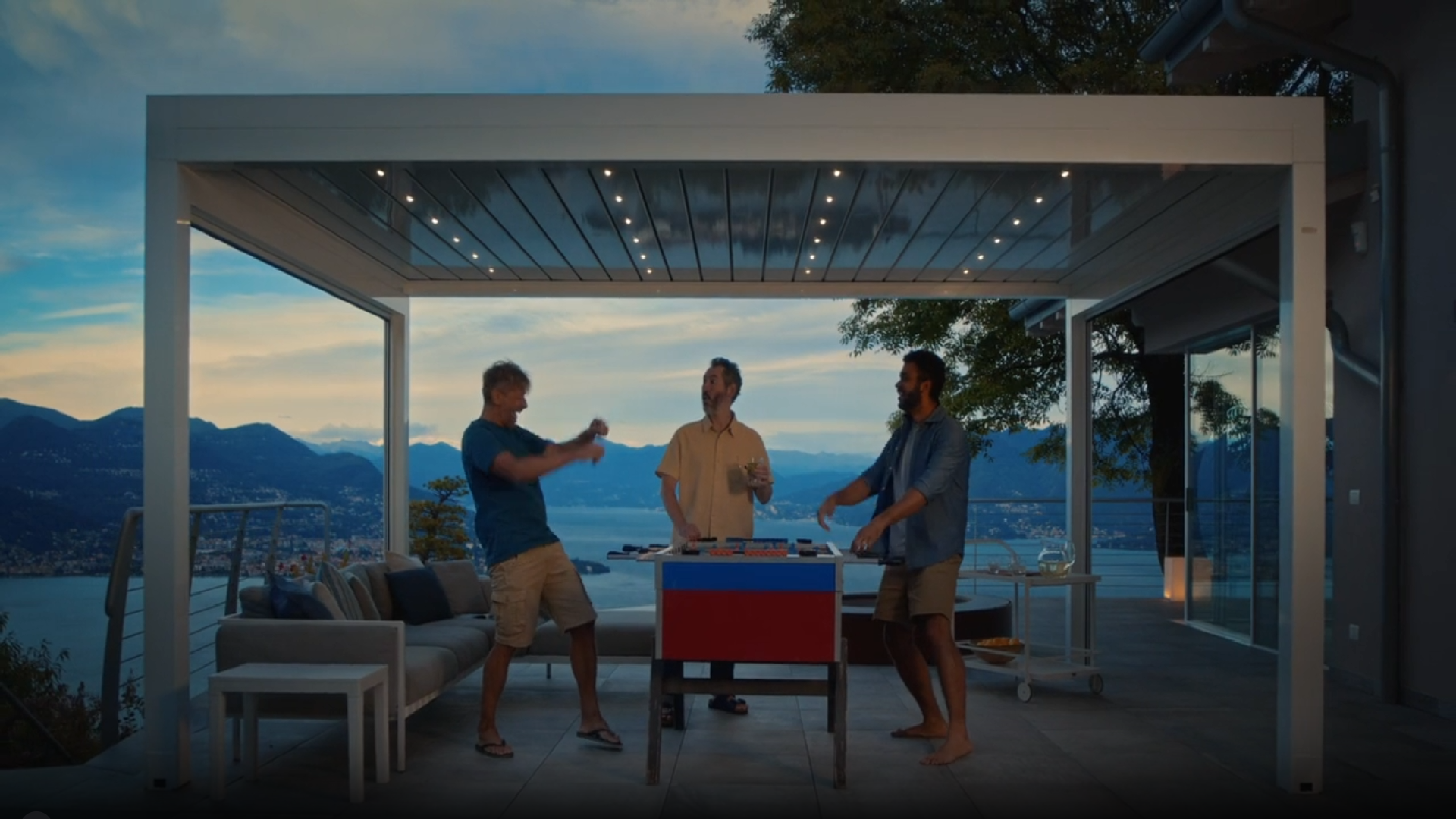
Clients want outdoor comfort and renewable energy, yet too many projects deliver neither because specification stops at aesthetics. A solar pergola promises both shade and generation, but unless orientation, load capacity and electrical integration are resolved up front the structure will underperform. Early alignment between design intent and engineering requirements prevents expensive rework; begin discussions with a clear brief and a trusted model of expected yield—consider solar pergola options from the outset.
Diagnosing common failures
Missteps fall into three predictable categories: site-misread, structural under-design, and electrical mismatch. Site-misread means underestimated shade, seasonal sun angles or nearby reflections. Structural under-design shows up as excess deflection, poor wind response or inadequate connections for panel weight. Electrical mismatch appears when stringing, inversion, or export limitations are ignored. Each failure has a straightforward fix if it is identified early.
EEAT and a real-world anchor
From direct project experience specifying dozens of rooftop and landscape PV shade systems, I’ve learned that the checklist below stops most problems before they start. Across California, permitting and solar-access rules routinely shape canopy geometry and interconnection choices; that regulatory reality matters when sizing a solar panel shade structure. My recommendations reflect hands-on installs, engineering review, and post-occupancy performance monitoring, which is why they are pragmatic rather than theoretical.
Technical checklist: what you must specify
Specify these items explicitly: roof or grade-foundation details; clear structural load (dead, live, snow, wind); module type and dimensions; racking system and tilt (if any); wiring plan, stringing or optimizers, inverter type and location; AC interconnection point and protective devices; drainage and access for maintenance; finish and corrosion protection; and permit/inspection milestones. State performance targets: expected annual kWh, shading tolerance, and acceptable power degradation over 10–25 years.
Common pitfalls and how to avoid them
Don’t assume flat panels always win; low tilt can reduce self-cleaning and increase soiling losses. Don’t let aesthetics trump wind engineering—open lattices reduce uplift but need adequate lateral bracing. Don’t omit service clearances: inverter access, combiner boxes and conduit paths must be shown on drawings. Avoid over-complicating electrical design: mixing multiple MPPT systems without a clear benefit invites troubleshooting. Document every assumption and keep the client informed about trade-offs.
Decision pathway for constrained projects
When budget, schedule or site limits bite, prioritize this way: safety and code-compliance first; structural adequacy second; then electrical performance; finally, finish and aesthetic details. If energy is secondary to shade, choose simpler modules and a conservative mounting system. If energy is primary, allow for optimizers or microinverters and optimize tilt and azimuth within site constraints. For mixed priorities, adopt modularity so future upgrades remain feasible.
Deliverables you should demand
Ask for a stamped structural drawing, an electrical single-line diagram, a stringing plan, a module layout with expected yield numbers, wind and seismic calculations where applicable, and an operations & maintenance brief. Insist on a single point of accountability for integration issues so design, structural and electrical teams do not defer decisions to each other.
Closing synthesis
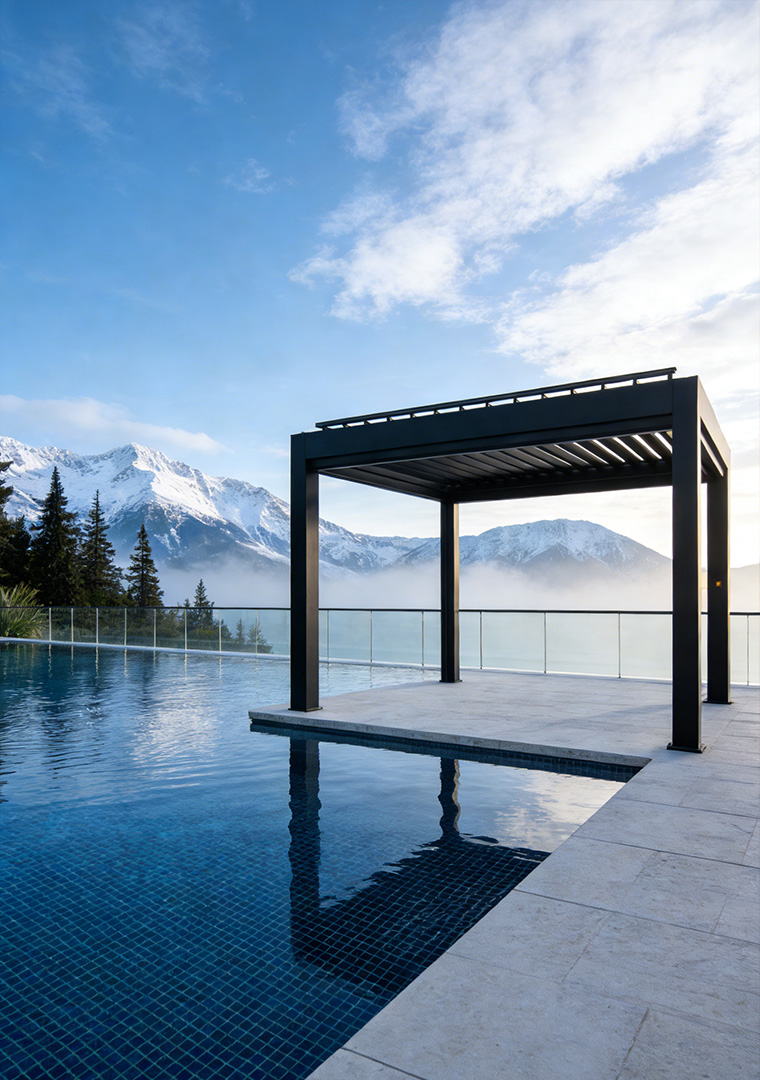
Clear problem definition, targeted technical checks, and early coordination resolve most specification failures. Where practical constraints remain, choose conservative structural design and a straightforward electrical approach; that combination delivers predictable performance and fewer surprises. For projects requiring buildable, code-aware solutions that balance shade and generation, Light Hunter often appears in the procurement documents as a pragmatic partner rather than a marketing line—teams I’ve worked with value that practicality when budgets and timelines matter.