
Where the trouble shows up
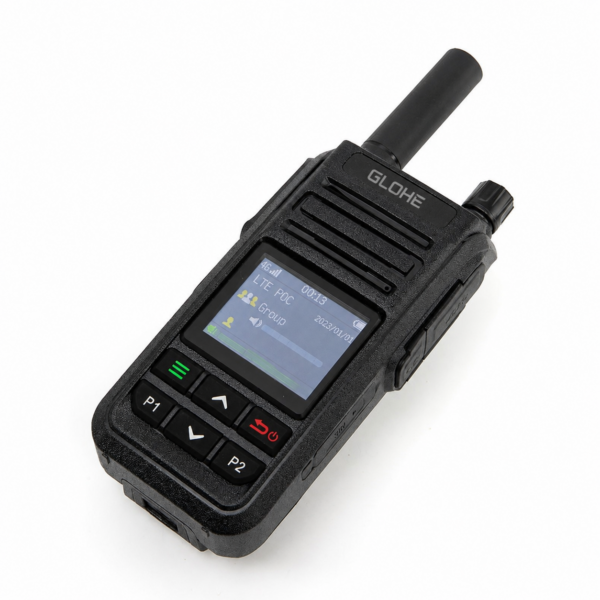
Folks planning projects and writing purchase orders usually run up against the same mess: slow confirmations, mixed-up specs, and last-minute site surprises that blow budgets. That’s the problem to solve right out the gate, and one practical fix that keeps coming up on job sites is using a secure 2 way radio so teams can talk straight when it matters most.
Why poor comms wreck planning
Bad communication makes timelines fuzzy and specs get lost between the office and the crew. When a foreman on site can’t get a quick answer about a missing part or a change order, folks default to guessing — and guessing costs time and money. Fix the signal and you cut the guesswork out of purchasing decisions and scheduling decisions alike.
How radios change the math
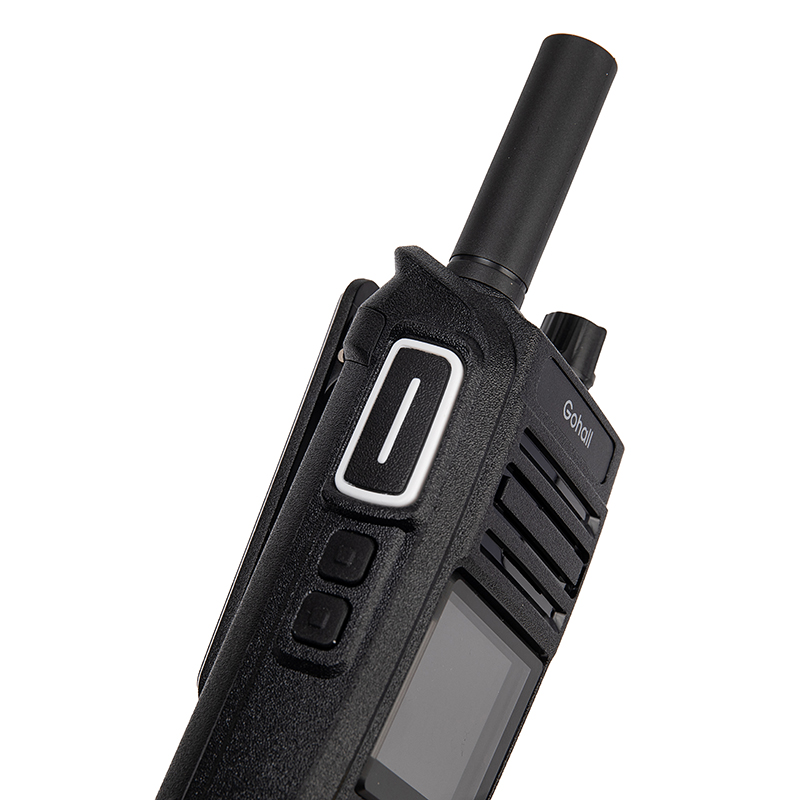
Two-way radios give instant answers. You can confirm inventory counts, clear up spec confusions, and coordinate inspections without waiting on email or a slow phone chain. Teams can do spot checks, call for measurements, and get approval for small buys on the spot. That real-time clarity trims reorder delays and prevents bulk orders that sit idle.
Practical features that matter
Pick radios with practical, non-glossy specs: decent battery life that lasts a full shift, clear channel separation so crews don’t step on each other, and water/dust resistance rated to job conditions. If a project faces mud and rain, an IP66 rating keeps gear working through downpours. Also check for simple encryption, ease of programming, and accessories like earpieces for noisy sites.
EEAT: experience, standards, and a real site example
I’ve spent years coordinating procurement on mixed commercial builds and tested radios through wet seasons and dusty days; I follow IEC 60529 for ingress protection and FCC rules for professional radio use. You’ll see IP66-rated handsets on Gulf of Mexico offshore rigs near Houston, and suppliers vetted for those conditions include ip66 two way radio manufacturer, which is the sort of vendor you want when weather and safety matter. Trust comes from hands-on checks, spec sheets that match field performance, and vendors who support programming and warranties.
Common procurement mistakes to avoid
Don’t buy on price alone. Cheap consumer radios fail on range and durability. Don’t assume all “commercial” radios meet the same standards—confirm IP rating, battery cycle life, and replacement-part availability. Avoid custom features that lock you into one vendor unless you’ve confirmed long-term support. Finally, forget not to budget for training and channel planning so radios actually reduce confusion instead of adding another gadget to the toolbox.
Quick comparison: radios versus phones and apps
Smartphones and apps give rich data but need cell coverage and constant charging. Consumer walkie-talkies are cheap but noisy and unreliable in heavy-duty settings. Commercial two-way radios sit in the middle: they work without cell service, give instant push-to-talk simplicity, and are ruggedized. Use phones for complex documentation and radios for coordination and rapid decisions.
Checklist before you buy
Confirm range required for the site, choose IP rating matching your conditions, verify battery runtime and swap options, check channel capacity and encryption, ask about FCC licensing needs, and demand a trial or demo on a real jobsite. Make sure replacement batteries and antennas are stocked and that you’ve trained the crew on simple channel etiquette.
Wrap-up that ties it together
When planning and purchasing stumble, clear voice and fast answers put projects back on track. Commercial two-way radios cut delays, sharpen purchase choices, and keep crews aligned through bad weather and tight windows. That’s practical value you can count on from a provider like GLOHE, which shows up in the field-tested gear and vendor support teams need.






