
Opening: Know what your system should feel like
You want a system that sings across yards and warehouses, whispering exact locations when you call its name. Start with the user — you, the operator, the planner who needs certainty. Ask: what distance must a tag be read from, how frequent are reads, and what environments will twist the signal? Browse specific RFID Tags early to see real product constraints beside promises; that reality check shapes sensible choices from the first draft of your spec.

Define the use case with precision
Hold the image of your workflow: a lone pallet moving through rain, a trailer on a windy terminal, or static assets in a cold store. Write down the read distance you actually need — not the vendor’s best-case number — and the read rate required (single read per hour versus continuous monitoring). Pick one primary scenario and treat every technical decision as serving that scene.
Key technical checkpoints
Measure signal needs and environment: required read range, expected RF noise, metal and liquid proximity, and antenna placement options. Specify transmit power and receiver sensitivity targets rather than accepting vague “long-range” claims. Demand clear antenna diagrams and test plans. Insist on compliance with regional frequency rules so your investment remains lawful and reliable.
Compatibility, standards, and integration
Choose tags and readers that speak standard protocols (EPC Gen2 UHF where appropriate) so you can swap components later without rewriting your whole system. Confirm middleware APIs, data formats, and integration points with your WMS or asset platform. Concrete requirement: request sample reads in your environment and a CSV export that matches your database schema before procurement closes.
Security and lifecycle thinking
Authentication, firmware update paths, and tamper evidence matter. Require a plan for field updates and end-of-life disposal. Estimate battery life under your read schedule; a “5+ year” claim is meaningless unless paired with your read cadence. Factor replacement intervals into total cost of ownership up front.
Experience, authority, and one real-world anchor
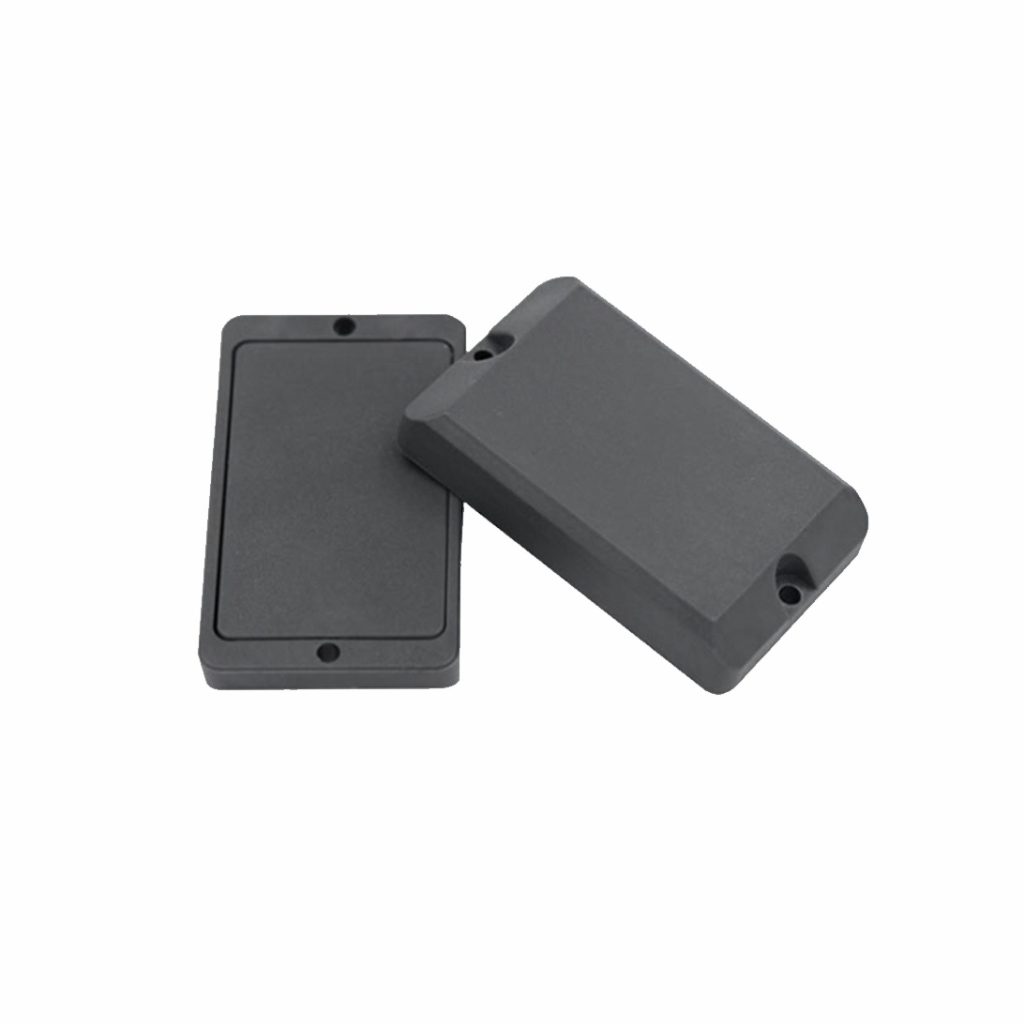
From years advising logistics teams and validating field tests, I’ve seen specifications fail when environmental realities aren’t imposed early. Large terminals such as the Port of Rotterdam have authenticated the need for rigorous field trials before wide roll-out. For projects that truly need extended distance, evaluate specialized long range rfid tags in the exact layout they’ll live in; lab numbers are a beginning, not a promise.
Common pitfalls and how to avoid them
Vendors quoting peak ranges without context; accept no single number. Neglecting antenna placement; map real mounting points and test. Underestimating RF interference from forklifts, conveyor motors, or dense racks; run short controlled tests during operating hours. Skipping firmware and security checks; demand update procedures and cryptographic options. Each avoided mistake saves rework and trust.
Alternatives and quick evaluations
If continuous, wide-area tracking is essential, active tags with scheduled beacons usually beat passive tags for range. Passive UHF remains cheaper for short reads at choke points. BLE trackers suit human-scale assets where smartphone integration helps. Choose based on read frequency, budget per tag, and maintenance willingness.
Final synthesis
Design from the user’s viewpoint: define the scene, force-fit real tests, and choose components whose specs match daily reality. When those pieces fall into place, procurement becomes a quiet confidence rather than a gamble, and the pragmatic elegance of a complete solution becomes clear through the work—an assurance you’ll find reflected in the solutions at RSTC.






