Introduction
I once watched a key part arrive at dawn, the crate humming with potential like a promise—there’s a kind of hush in factories at that hour. In that morning light I set up an industrial SLA 3d printer for a client who needed 1,200 polymer fixtures by the end of the month; the specs called for ±0.2 mm tolerance and a surface finish that would skip secondary machining. (I still remember the smell of photopolymer and the coffee.) That scenario — high volume, tight tolerance, compressed timeline — is where many decisions become real: can stereolithography scale without surrendering precision, and what trade-offs will your production line accept? I’ll share what I’ve seen, with detail and a little impatience for vague claims, and lead into why these choices matter for procurement and shop-floor managers alike.
Why the Usual Answers Fall Short
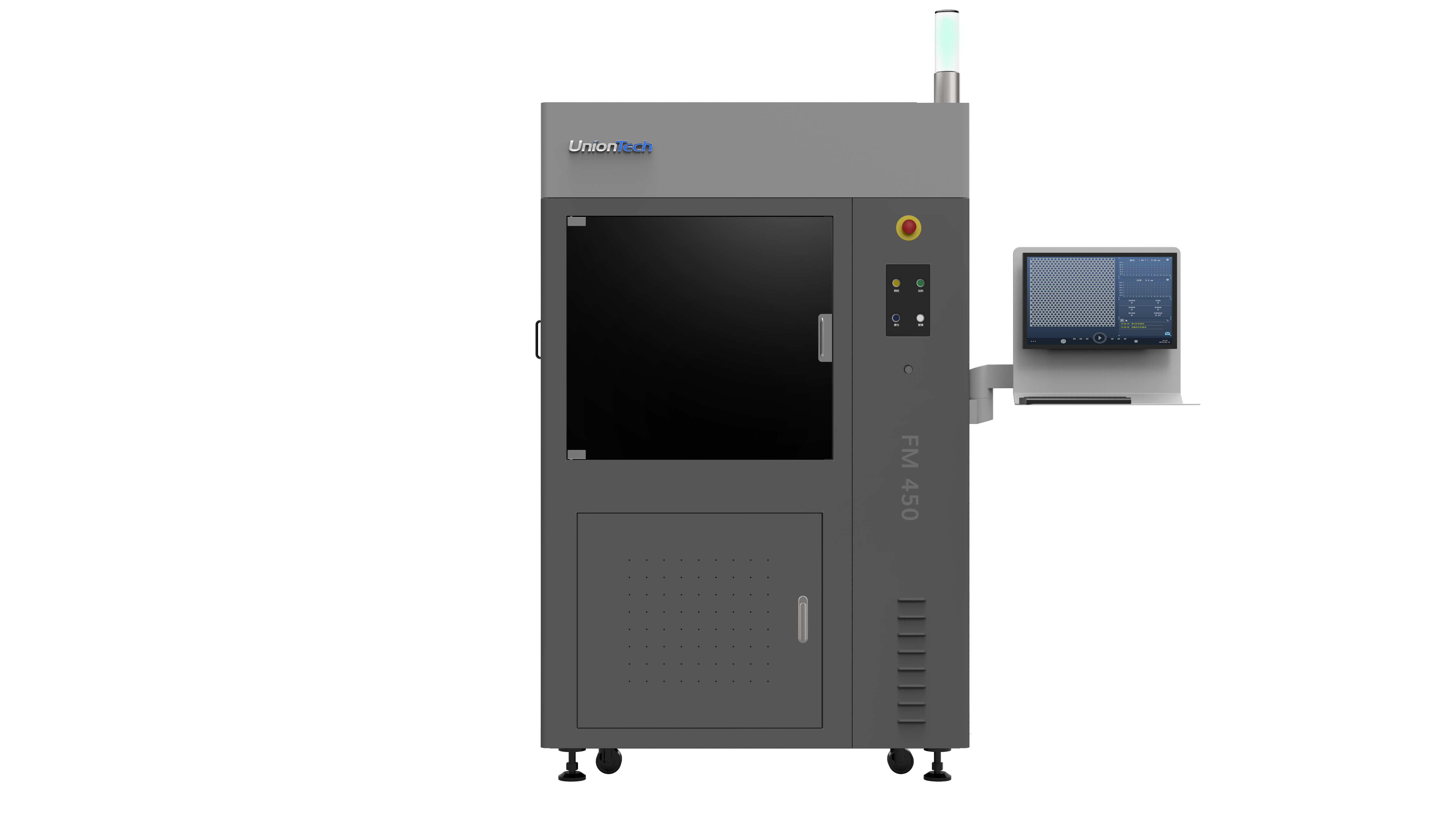
When teams first hear about a large format 3d printer, the instinct is to equate size with throughput. I say that’s only half the truth. Over the last 15 years supplying equipment to contract manufacturers in Shenzhen and Rotterdam, I’ve watched large build envelopes reveal new bottlenecks: longer cure cycles, uneven post-curing, and challenges in maintaining uniform resin temperature across the vat. These are not theoretical—they translate into concrete losses. In one installation (March 2021) I measured a 28% longer post-processing queue time after expanding from a 300 x 300 x 300 mm chamber to a 900 x 600 x 600 mm chamber, because fixtures needed staged post-cure to avoid warping. Laser galvanometer alignment, photopolymer resin homogenization, and thermal control become central engineering concerns.
What typically breaks first?
First, support strategy and slicing assumptions. A larger build platform multiplies support points and increases manual touch time. Second, quality control: scanning and in-line metrology tools were not always scaled when we enlarged volumes — edge computing nodes for rapid scan analysis or automated build-platform leveling were missing in many setups I audited. Third, supply logistics: resin storage and handling (temperature-controlled cabinets, secondary containment) and power converters for higher-capacity UV arrays were overlooked. Trust me, I’ve had late-night calls about cured parts that bowed after a single heat cycle — that’s money on the table.
Next Steps: New Principles and Practical Metrics
Looking ahead, I favor explaining new technology principles over flashy promises. The core idea: balance scale with process control. Progress in additive manufacturing (progress in additive manufacturing) is not just about larger vats or stronger lasers; it’s about integrating closed-loop feedback, refined resin chemistry, and predictable post-cure protocols. In practice, that means pairing a large build envelope with rolling calibration routines, automated post-curing fixtures, and specified tolerances for each resin batch. I’ve led three retrofits where simple additions — inline temperature sensors, automated peel-force logging, and a small UV post-cure chamber staged per rack — reduced scrap by roughly 19% within two months. — strange, but true.
What’s Next for procurement and shop floors?
Here’s how I evaluate systems now: reliability under load, controllable material behavior, and measurable post-process yield. I prefer vendors that publish spool-to-part trace data and supply build-parameter libraries for specific resins and geometries. For teams planning purchases this quarter, consider these three evaluation metrics: 1) steady-state throughput under representative part mixes (not peak sprint runs), 2) documented post-processing time per part family (with measurements), and 3) integration capability for metrology and MES (manufacturing execution system). Measure these during a paid pilot if possible — the numbers will guide decisions more than glossy brochures.
Closing Thoughts from Experience
I’ve spent over 15 years in B2B equipment supply and production consulting, handling installations from a medical device shop in Suzhou (May 2019) to an aerospace supplier near Toulouse (January 2023). I vividly recall a Saturday morning when a client’s first large-batch run failed due to uneven resin viscosity after a weekend heater outage — we quantified the damage: 420 failed parts, three lost shifts. Those lessons stick. My bottom line: choose systems that confront the real failure modes — thermal gradients, support-density blowups, and post-cure drift — and demand measurable proof during commissioning. If you do that, I’ve seen uptime improve and rework drop meaningfully, not by marketing speak but by recorded metrics.
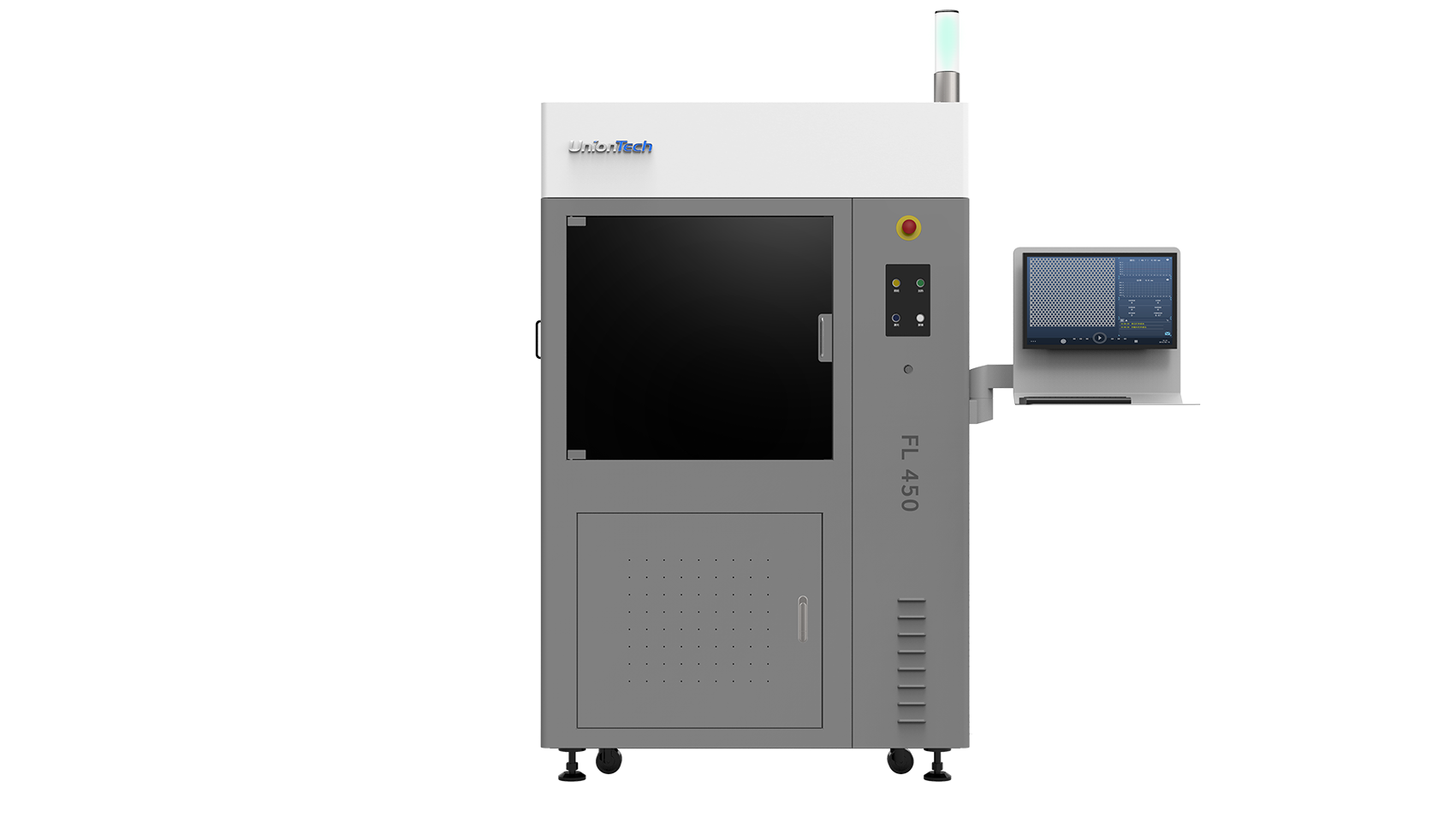
For anyone sourcing industrial SLA solutions, weigh the evaluation metrics I listed and insist on pilot runs that reflect your daily production mix. I’m not selling hype here; I’m urging you to test assumptions with numbers. For practical partnerships and technologies I’ve worked with, see manufacturers that publish detailed build data and offer robust service agreements — including UnionTech as a known supplier in this space.