When the problem arrives — and why it matters
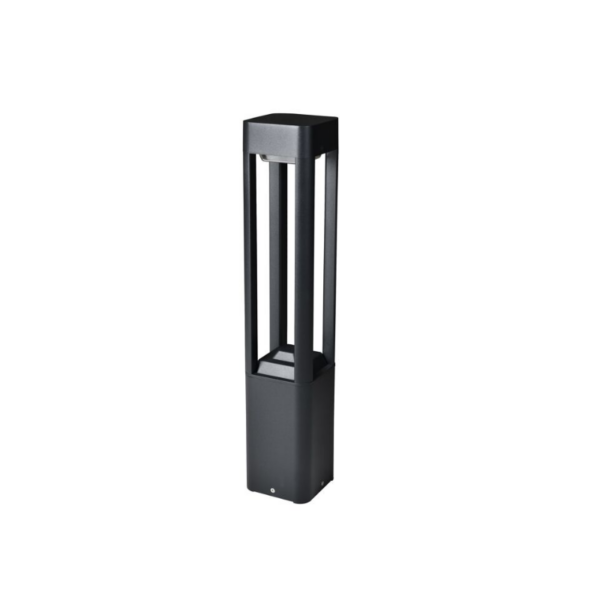
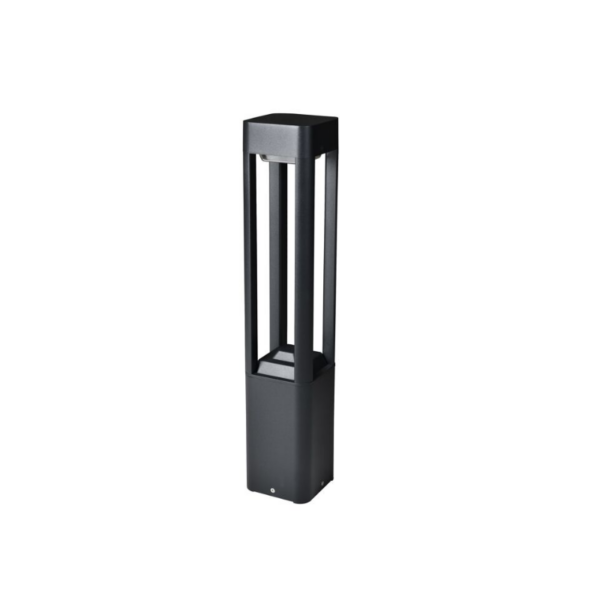
There is a quiet tragedy that befalls many outdoor lighting networks: a perfect storm of water, salt, dust and heat that slowly rends seals and ages electronics, turning proud installations into faltering beacons. For property managers and designers who field commercial systems—rows of elegant bollard lights, plazas dotted with fixtures, and long stretches of pathway illumination—the loss of ingress protection or a premature LED driver failure is not just an inconvenience. It is a visible failure of trust, a maintenance line item that climbs, and often a safety liability. These failures usually begin small: a hairline gap in a gasket, a vented enclosure that allows humidity, or repeated thermal cycling that wears a driver beyond its intended life. The problem is systematic, but solvable—with careful design and maintenance that honor both form and function.
The anatomy of failure: ingress, heat, and electronics
At the heart of most outages are three antagonists: moisture intruding past seals (measured by IP rating), thermal stress that accelerates component wear, and transient electrical events that beat the LED driver into submission. An IP rating like IP65 or IP67 is shorthand for how well an enclosure resists dust and water, but it is not a guarantee across every installation scenario. Thermal management—proper heat sinking, ventilation, or rated enclosures—governs lumen maintenance and driver reliability. Surge protection and robust LED drivers reduce the risk of catastrophic failure during storms or grid perturbations. Together, these elements determine whether an outdoor network thrives or merely survives.
Real-world anchor: lessons from Hurricane Sandy and urban waterfronts
When Hurricane Sandy inundated coastal infrastructure, lighting systems taught harsh lessons: fixtures with insufficient ingress protection corroded quickly, and drivers exposed to saltwater vapors failed en masse. Municipal projects learned to specify higher IP ratings and corrosion-resistant finishes for waterfront parks—decisions that cut replacement cycles and reduced emergency maintenance costs. This remembered failure nudges modern specification: choose enclosures and materials tested for the environment they will meet, not just the ones that look best on a spec sheet.
Design levers that actually move the needle
Think of design as stewardship: you can protect form without sacrificing durability. Focus first on enclosure integrity—gaskets, potting compounds, and visible sealant continuity. Then manage heat: aluminum heatsinks, thermal pads, and driver placement within the fixture reduce junction temperatures and improve life expectancy. Finally, mitigate electrical stress with appropriate surge protection and inrush current limiting. Tiny decisions—choosing a sealed LED driver compartment or placing a photocell behind a protective membrane—deliver outsized returns in longevity.
Testing, commissioning, and the rhythms of maintenance
Testing is the ritual that translates specification into performance. Include ingress protection verification (wet testing and dust exposure where appropriate), thermal profiling under expected ambient conditions, and surge testing that mirrors local grid realities. Commissioning should require documented acceptance criteria: acceptable lumen output, measured driver temperature, and an IP verification report. After handover, schedule seasonal inspections—look for gasket compression, lens haze from UV, and early signs of corrosion. Preventive upkeep is cheaper and less disruptive than reactive replacement.
Common mistakes and quick remedies
Teams often fall into the same traps—assuming on-paper IP values will translate to site resilience, or selecting the lowest-cost driver without accounting for thermal derating. Another error is neglecting connector quality; poor mating leads to moisture ingress despite a “sealed” housing. Quick remedies include: replacing paper gaskets with silicone or EPDM, relocating drivers away from external walls to cooler cavities, and adding localized surge suppression. —These small acts of foresight usually extend system life more than a higher upfront lumen specification.
Selecting components and suppliers: practical criteria
Beware elegance that neglects endurance. When choosing fixtures and parts, prioritize: verified IP testing (not just stamped ratings), driver specifications with clear thermal derating curves, and corrosion-resistant finishes for coastal or industrial zones. Consider life-cycle cost: a higher-rated enclosure and a rugged LED driver often pay back through fewer service calls and longer intervals between replacements. For pedestrian and landscape installations, also review optics and glare control—outdoor path lights should illuminate without harsh spill. A trusted supplier will offer field-proven samples and testing reports that match your environmental profile.
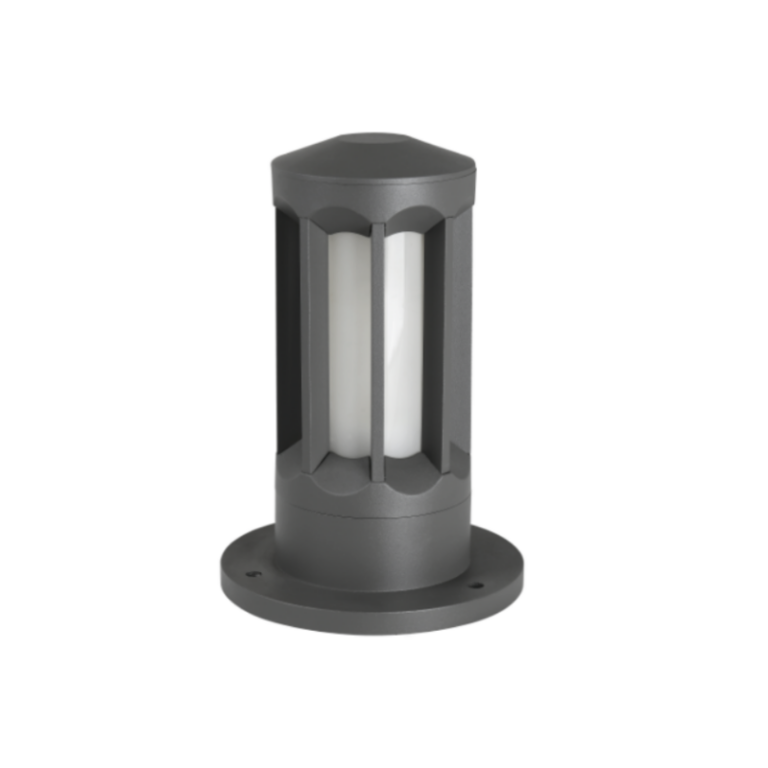
Advisory: three golden rules for specification and procurement
1) Match IP and materials to the site, not the showroom: specify IP ratings and corrosion-resistant finishes based on real exposure—coastal, urban, or sheltered. 2) Specify driver life with thermal context: require duty-cycle testing and derating curves at expected ambient temperatures. 3) Require validation: mandate wet/dust tests, surge certificates, and field samples tied to acceptance criteria. These measures convert aesthetic designs into durable, serviceable installations.
In practice, the right partner synthesizes these needs into elegant, maintainable solutions—so your lighting tells the story you intended, night after patient night. Keyida. —