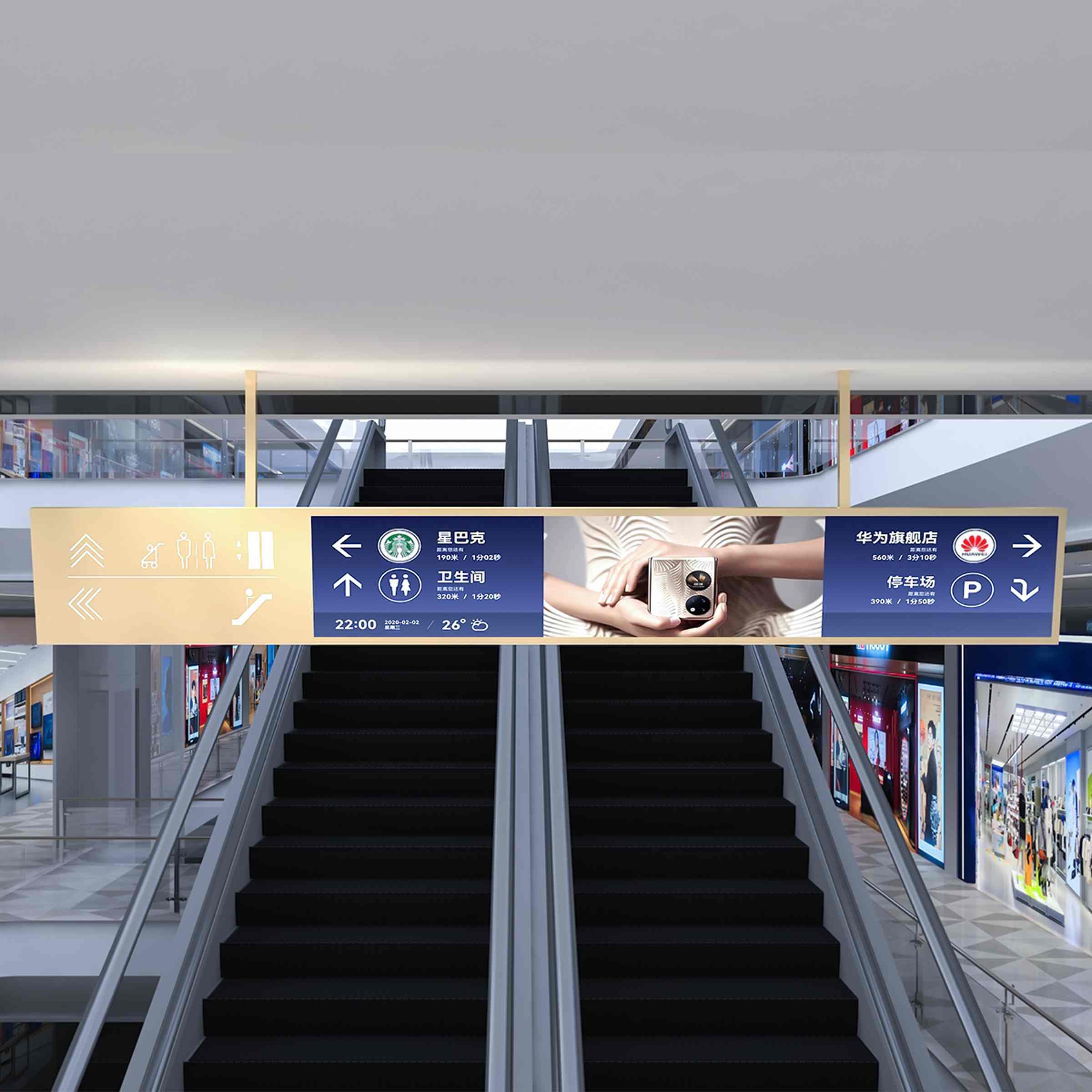
Problem-driven lead: fading that starts on the street
Transit operators and facility managers face a recurring problem: outdoor wayfinding displays that look new in month one and yellow, cloudy, or brittle within a few seasons. The core issue is predictable—high UV exposure combined with thermal stress degrades the acrylic diffuser and undermines legibility in digital wayfinding signage. I’ll walk you through what physically happens, why it matters for passenger safety and brand clarity, and how to choose a robust specification that actually lasts.
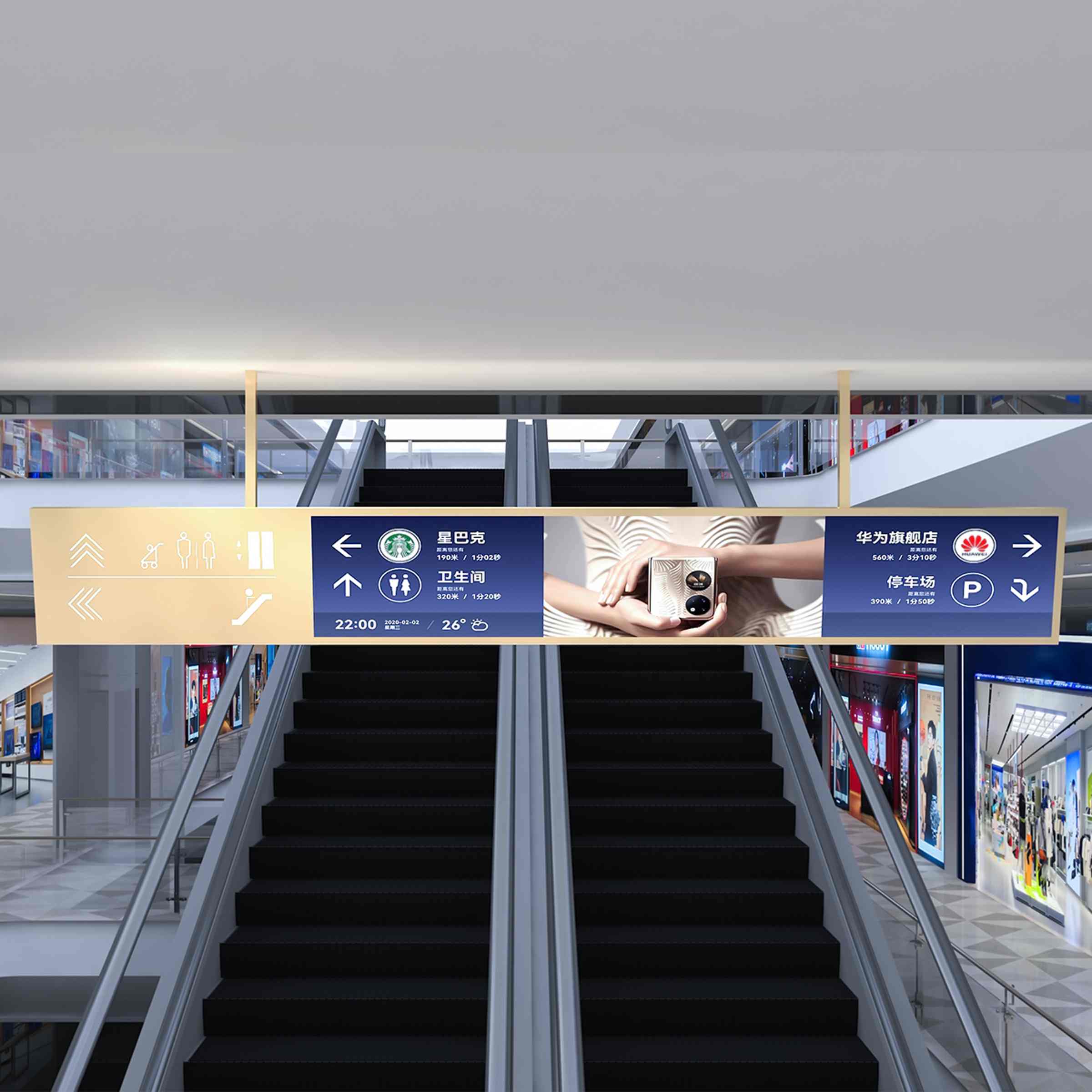
What UV and heat do to acrylic diffusers
Acrylic (PMMA) is prized for optical clarity and easy fabrication, but UV photons break polymer chains in a process called photo-oxidation. The surface develops microscopic crazing and then yellowing as chromophores form. Add heat from LED luminaires and trapped solar gain behind glazing, and the chemical reactions accelerate. Result: contrast loss, glare changes, and scattering that reduce the effective brightness of the wayfinding system.
Real-world anchor: high-UV climates reveal the failure modes
Places with prolonged, intense sunlight—think Phoenix, Arizona, where UV index readings routinely spike—offer a practical case study. Transit shelters and platform signs there show faster discoloration compared with temperate cities. That pattern validates lab aging but also highlights operational variables: orientation to the sun, local pollution, and maintenance cadence all change outcomes on the ground.
How specification choices accelerate or resist discoloration
Three spec decisions dominate lifecycle performance: material selection (acrylic vs. UV-stable polycarbonate), presence and quality of UV stabilization additives, and protective coatings or films. A simple acrylic sheet without UV-blocking coating will fail sooner than a stabilized PMMA with a proven UV-blocking lacquer. LED heat management and internal ventilations also matter—heat speeds photochemical breakdown.
Mitigation strategies that work
Address the problem at four levels:
- Material: use UV-stabilized PMMA or UV-resistant polycarbonate in high-exposure zones.
- Coatings and films: apply UV-blocking coatings or replaceable sacrificial films that absorb degradation instead of the diffuser.
- Thermal and optical design: locate LED luminaires to reduce direct heat on acrylic, add ventilation, and use diffusers designed for uniform scattering.
- Maintenance and testing: adopt scheduled optical inspections and accelerated weathering tests during procurement.
– Pilot a few installation variants before a full rollout; the data you get will save replacement cycles.
Common mistakes operators repeat
Teams often underweight lifecycle cost and over-prioritize initial appearance. Typical missteps include: choosing the cheapest clear PMMA, neglecting thermal modeling for enclosed signs, and failing to define replacement intervals. These choices inflate total cost of ownership when discoloration forces early replacements or reduces readability and compliance.
How to evaluate vendors and specs
When assessing proposals for a digital wayfinding solution, require lab UV-aging data, real-world performance references from similar climates, and clear maintenance plans. Demand sample life-cycle calculations that include replacement film or diffuser swaps. For installations in full sun, favor providers who can demonstrate heat mitigation around LED luminaires and who specify UV-stable optics as standard.
Advisory: three golden rules for durable transit signage
Follow these evaluation metrics before you commit:
- Optical retention: insist on quantified Δb* or similar yellowing metrics from accelerated weathering tests at procurement.
- Thermal compatibility: verify maximum service temperature for the diffuser material relative to expected internal fixture temperature.
- Maintainability: require replaceable sacrificial films or modular diffuser panels so you avoid full unit replacement on failure.
Choose partners that publish test data and provide local installation references; those two signals predict long-term performance. For operators needing turnkey reliability and documented outcomes, digital wayfinding solution vendors with strong warranty and service plans shorten risk and align costs with real-world conditions.
Practical choices—materials, thermal design, and maintainability—cut replacement cycles and protect passenger experience. Cosun Sign. Simple, measurable, and lasting.