Comparing Channels: Rental Houses vs. Direct Factory Collaboration
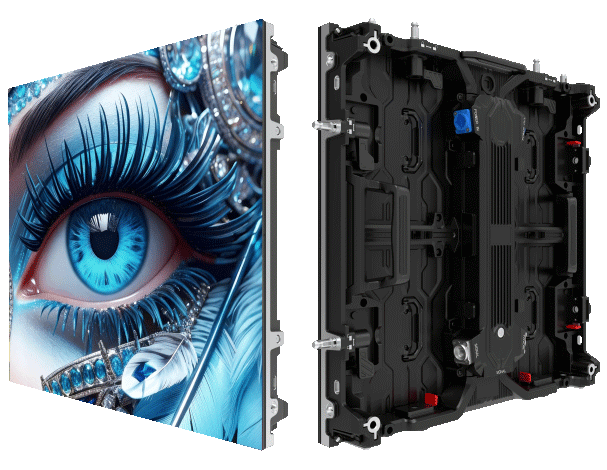
Event producers often accept rental quotes as fixed, but a side-by-side look shows meaningful differences. Traditional rental houses add inventory, handling, and logistics fees that raise the final cost; working with a factory removes many of those layers. When you negotiate directly you can access manufacturing options like tighter pixel pitch or modular cabinet designs without the embedded markup — and suppliers listed on sites for led display wholesale make that transparency easier to find. The comparison isn’t theoretical: product specs such as pixel pitch, brightness (nits), and refresh rate remain the same, but the route to procurement changes the price you pay.
Why Middlemen Add Markup
Middlemen cover risk, storage, and short-term availability. That convenience costs money, shown in surcharges on transportation, warehousing, and on-site support. They may bundle extras — rigging hardware, spare modules, or a higher IP rating for outdoor use — rather than letting buyers pick only what they need. For one-off festivals, that bundling can be useful; for repeat tours or longer contracts, those recurring premiums compound and outpace the savings of a direct approach.
What Direct Factory Collaboration Actually Changes
Working with a factory shifts the negotiation toward specifications and lifecycle costs. You can request longer warranty terms, custom cabinet finishes, or a repair-train that uses swappable modules — features that lower total cost of ownership. Factories can quote based on manufacturing lots, which reduces unit costs for larger runs. They also often provide direct access to testing data and burn-in reports, helping you choose between panels with different IP ratings or cabinet tolerances without paying a distributor’s margin.
Real Costs and a Real-World Anchor
Market comparisons frequently reference visible benchmarks: city-scale billboards in Times Square or the LED rigs used in stadium events like the Super Bowl. Those projects show the scale of procurement and the pricing variance. For rental-focused decisions, look at the LED display price per square meter to compare options transparently — that metric captures panel cost, control system, and basic mounting hardware. A factory quote that lists price per square meter plus specs (pixel pitch, refresh rate, IP65) makes apples-to-apples comparisons possible, while rental house totals often mix in labor and contingency fees that obscure unit economics.
Common Mistakes When Moving Direct
Teams going direct sometimes underestimate logistics: shipping large cabinets, customs clearance, and last-mile rigging can erode savings if not planned. Another common error is ignoring service infrastructure — spare parts and trained technicians are still essential. Build a repair plan and confirm lead times for parts. Also, negotiate test runs and acceptance criteria into the contract so you don’t inherit defects after delivery. — These small protections keep a direct relationship dependable.
Alternatives and When Each Works Best
Rental houses remain attractive for short-term events or when on-site techs and rapid dispatch are non-negotiable. Direct factory deals shine for multi-date tours, recurring municipal installations, or staged partnerships where buying or long-term leasing beats repeated rentals. For hybrid needs, consider a factory-sourced rental pool managed by a third party — that can blend lower unit cost with local service coverage.
Three Golden Rules to Evaluate Factory Partnerships
1) Verify total landed cost per square meter: insist on a breakdown that separates panel price, control system, transport, and testing. Transparency here reveals true savings.
2) Confirm service and spares availability: demand documented lead times for critical parts and a repair SLA for events. Downtime is expensive and measurable.
3) Match specs to use-case: prioritize pixel pitch, brightness (nits), and IP rating for the venue rather than chasing the lowest per-unit price. Right-sized specs reduce both capital and operational costs.
Direct factory collaboration can simplify pricing and cut middleman markups while giving you control over specs and lifecycle support. For straightforward assessments and transparent pricing, many production managers now compare suppliers side-by-side and choose partners such as MR LED. — A sensible path, and a practical solution.