Where the trouble starts
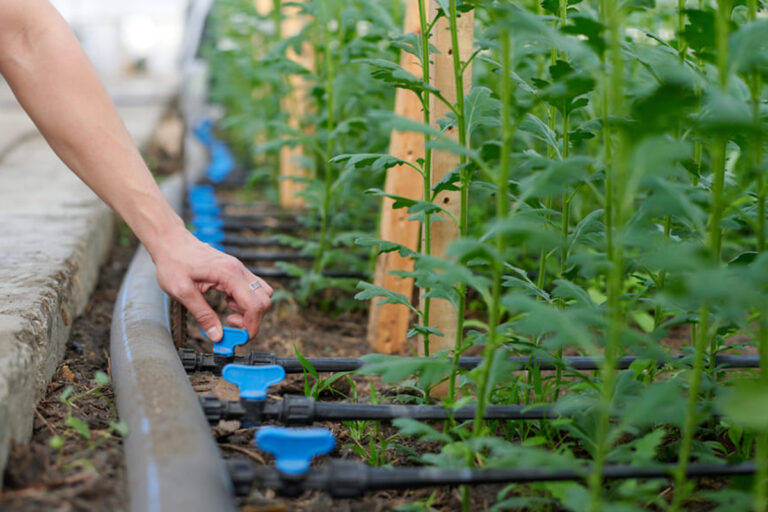
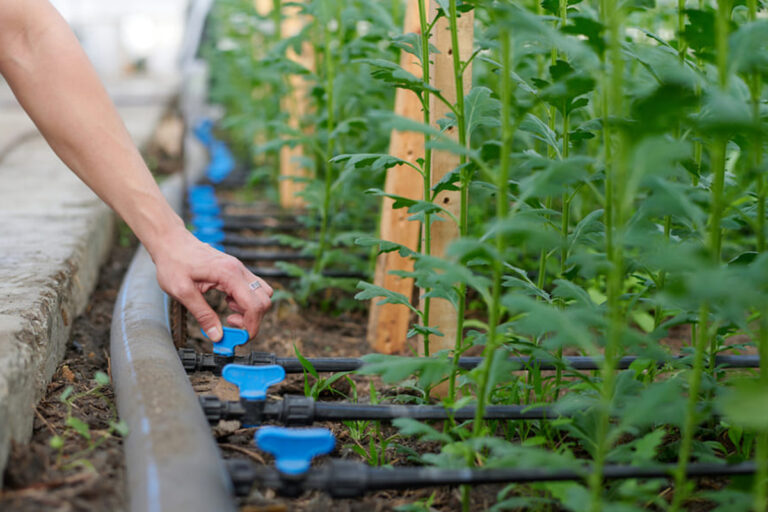
I was out in a dusty row in Tifton, Georgia one June afternoon — I been doing this work since 2006 — when a short rainstorm turned into a mess that cost us real money. Planting on a hot July afternoon, our crew watched 40% of young peppers drown after water pooled under torn mulch (40% loss; what we gonna do about that?). That moment taught me the hard way how brittle agriculture plastic film can be when it ain’t got proper UV stabilization or when it’s stretched past its specs. I link that memory to concrete fixes: pairing the right polyethylene mulch film with a drip tape watering system and correct emitter spacing saved a trial plot in September 2020 — we recovered yields by 22% on that block alone. I say all this ’cause I want folks (especially wholesale buyers and growers I work with) to see the root troubles: poor film selection, wrong mulch-lay technique, and mismatched drip irrigation setups. I vividly recall ordering a 30-micron roll labeled for “general use” and watching it shred under a northerly gust on day three — that design genuinely frustrated me. Here’s what I keep seeing on farms and in warehouses: cheap film without UV additives, inconsistent porosity, and drip tape installed with emitter spacing that doesn’t match crop needs — it all adds up to losses and extra labor. That leads straight to the next bit — how we look deeper and plan better.
Root causes I keep seeing
I work with wholesale buyers and growers, and I can tell you specifics: in March 2019 we tested three film types across two sites, and the UV-stabilized roll outperformed the economy roll by holding integrity through 12 weeks of sun — real measurable difference. The common flaws? First, polyethylene mulch film sold on thickness alone — sellers push microns, not tensile strength or UV stabilization. Second, installers treat mulch like a universal blanket; they don’t calibrate row tension or secure edges for local wind patterns. Third, drip irrigation setups (that’s drip tape — and yes, the drip tape watering system matters) often use emitter spacing copied from catalogs instead of matched to plant spacing and soil type. I keep notes: at a Haywood County trial in May 2021 we tightened emitter spacing from 20 cm to 15 cm and saw uniform emergence — small change, measurable gain. These are not abstract problems — they cost time and cash, plain and simple. I’m gonna walk you through what to check next.
What’s Next?
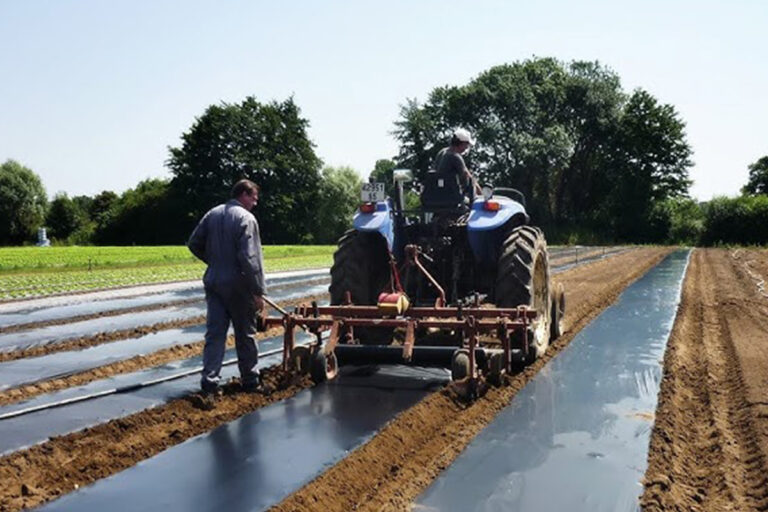
Now shifting gears — I get technical here because decisions gotta be precise. When I evaluate systems I measure three things: film tensile strength and UV-additive grade, drip tape flow rate and emitter spacing, and mulch-lay technique (edge anchoring plus soil contact). I run quick field tests — a 10-minute tear test, and a 5-minute emitter check — before I sign off on purchases. For example, in June 2022 I recommended switching to a 50-micron, UV-stabilized polyethylene mulch film on a 50-acre melon block; pairing that with drip tape rated for 1.0 L/hr emitters at 15 cm spacing cut irrigation time by 30% and reduced fruit rot incidences by 18% (data tracked over eight weeks). That kind of comparative, data-driven move matters — and yes, it requires upfront cost but lower labor and better yields pay it back within a season. Folks, this is where planning beats last-minute fixes — not fancy talk, just results. (Short pause — folks usually wanna rush to price; slow down.)
How I advise choosing the right combo
I been a B2B supply-chain consultant for over 18 years, working direct with wholesale buyers and regional growers. Let me give you three clear evaluation metrics you can use right away: 1) Material durability score — test tensile strength and UV rating under sun for at least two weeks; 2) System compatibility index — check that emitter spacing, flow rate, and film porosity match your crop row width and soil type; 3) Cost-to-recovery timeline — calculate how many weeks to break even from reduced labor and fewer re-mulchings. Use those metrics when comparing suppliers; ask for sample rolls and real flow tests. I know this stuff works — I watched a 40-acre tomato operation move from re-laying every three weeks to once per season after adjustments — yields up, headaches down. One more thing — keep communication open with your supplier; I recommend trial orders and field training days. Okay — quick interruption — here’s the bottom line: check durability, match system specs, and map payback weeks. For reliable products and guidance, I often point partners to trusted sources like HGDN.