Introduction: What Makes Wireless Work, Not Just Connect
A reliable meeting system is more than mics and antennas; it is an end-to-end path for speech that stays stable under pressure. A wireless conference system has to manage voices, room noise, and radio traffic without drama. Picture a hybrid boardroom where three speakers switch fast, a remote client joins late, and the schedule is tight. In many rooms, 30% of time gets lost to echo, dropouts, or battery panic. The hidden limiter is the latency budget and how the system handles RF spectrum in crowded spaces. So, what would it take to hear every word, on time, every time?
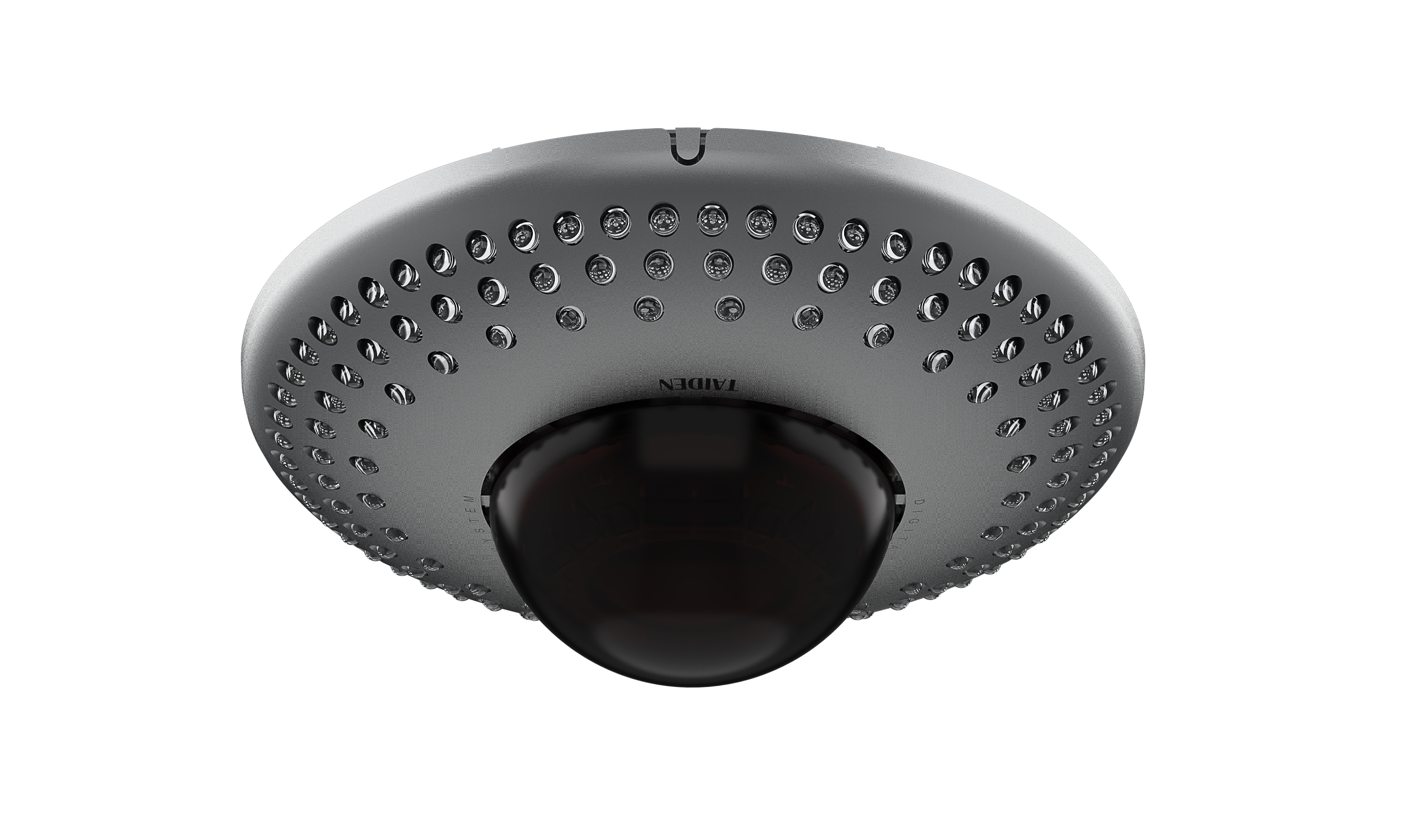
Here is the frame we will use. First, define the common failure points so we can spot them early. Next, map the signal path, from microphone capsule to DSP and the uplink, and see where small delays stack up. Then, compare control features that keep sessions calm, like adaptive gain control and channel scanning. We will move step by step—no fluff, just what works in the room. Ready to go deeper? Let’s look at the pain behind the problems and why it keeps showing up.
Part 2: Hidden Friction in Traditional Table Mics
Where do the old solutions stumble?
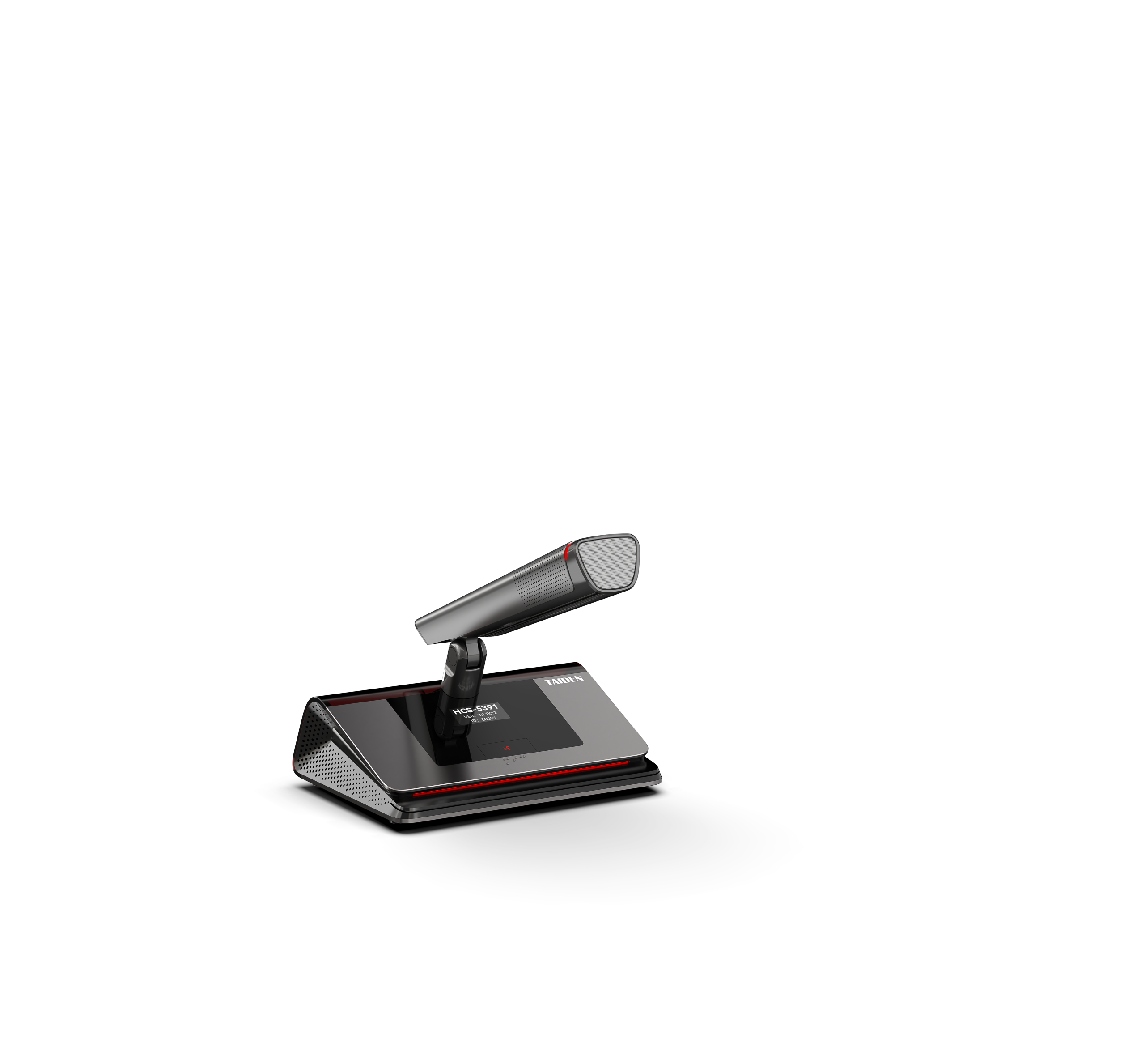
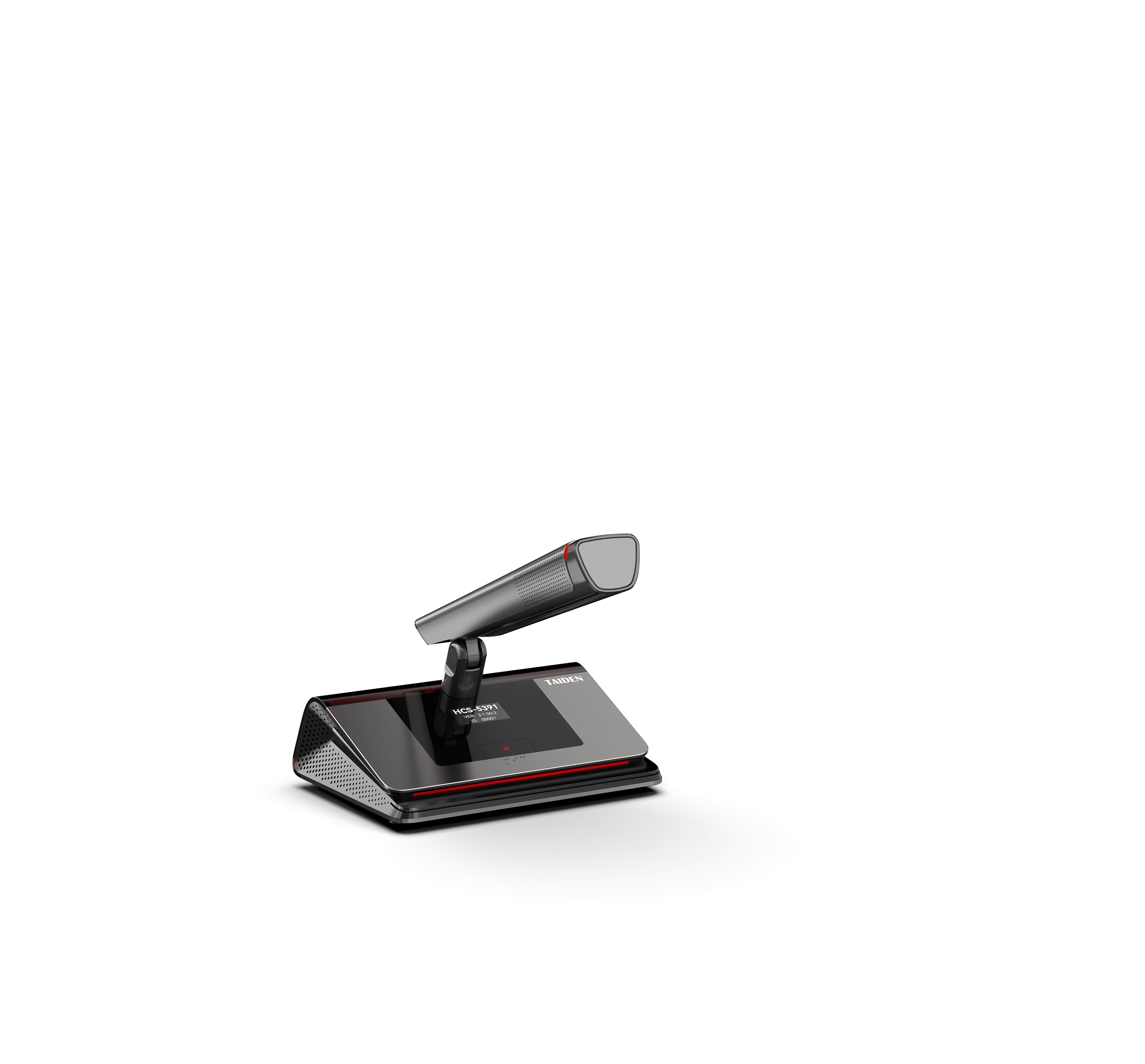
When you switch to a modern wireless gooseneck microphone system, you expect less mess and faster setup. Yet many teams keep the same old troubles. Cables once fixed ground loops; now you face RF spectrum congestion. Wired mute buttons felt safe; now you juggle battery levels and pairing. Look, it’s simpler than you think, but only if we name the real blockers. The first is gain before feedback in reflective rooms. Table glass, metal lids, and ceiling tiles all push energy right back. Without smart DSP, beamforming, and clean polar patterns, the room wins—funny how that works, right?
The second blocker is time. Add a shaky link, and your latency budget vanishes. A talker cuts in. The mix lags. People talk over each other. Next, there is trust. If delegates think a mic is “iffy,” they lean in and speak louder. That raises noise and lowers clarity. You also need security. Meetings with policy or finance data deserve strong transport, like AES-256 encryption, not a default passcode. Finally, power is not just batteries. It is power planning. Smart charging, clear run-time, and alerts beat guesswork. If the system cannot show remaining minutes at a glance, you will waste them.
Part 3: Principles That Future‑Proof the Room
What’s Next
Now let’s flip the script with new technology principles. Start with spectrum agility. Systems that scan, choose clean channels, and hop quietly avoid crowded bands. Diversity reception (true two-channel paths) and even MIMO cut dropouts. Next, put intelligence at the edge. Small edge computing nodes at the table can pre-process speech, apply noise gating, and send lean data upstream. Keep the chain short. Less delay, less pain. Add QoS on the network, and Dante or similar transports keep audio streams steady across switches. This is how wireless meeting equipment stays predictable in busy venues—and no, you don’t need a lab to test it.
Real-world impact shows up in setup time and confidence. A city council with 40 seats cut deployment from 90 minutes to 20. They used auto frequency coordination, per-seat ID, and live battery readouts. Over six months, they logged zero RF-related dropouts and kept average round-trip under 15 ms. Moderators could grant or queue mics with one tap, so discussion flowed. Summing up the earlier points: tackle feedback with targeted pickup and DSP, protect time with low-latency links, and build trust with clear status and encryption.
If you’re choosing a path forward, use three checks. 1) Stability: measure dropouts per hour and channel reserves under heavy RF. 2) Clarity: test speech transmission index after echo control and adaptive gain. 3) Control: confirm live metrics for run-time, channel use, and priority logic. Meet these, and your room feels calm even when voices and devices pile up. For further reading on systems that align with these ideas, see TAIDEN.