Opening comparison and what this guide solves
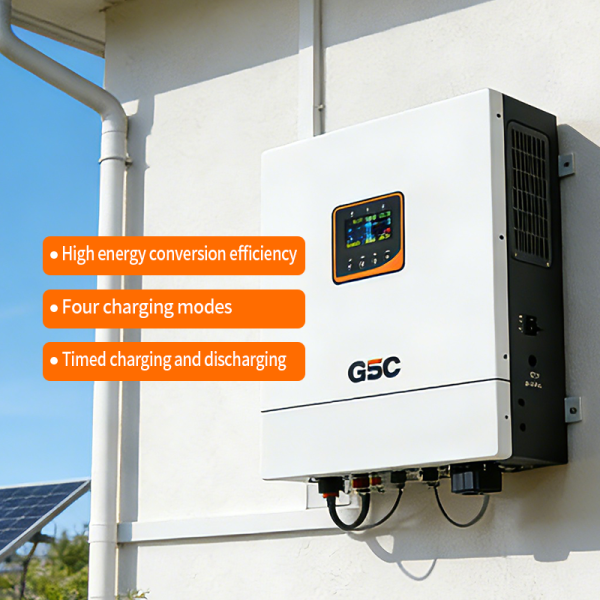
Most installers pitch inverters like features lists. I’m taking a different route — a head-to-head look at outcomes. On one side: low-cost grid-tie units that limp through disturbances. On the other: premium whole-house battery backup systems that deliver clean AC and predictable uptime. For specifiers who care about waveform integrity and sensitive loads, choosing the wrong path creates intermittent headaches and hidden costs. If you’re sizing for a resilient home or small facility, consider the role of a robust pv inverter hybrid early in the spec process.
Why pure sine wave output matters — plain and practical
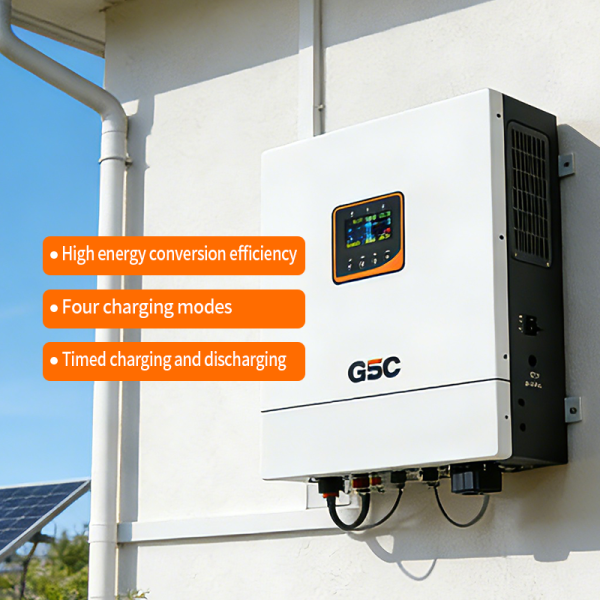
Pure sine matters because many devices depend on steady AC waveform. Medical equipment, HVAC drives, audio systems and variable-speed motors react badly to distortion. Harmonics from cheap inverters can shorten equipment life, trigger nuisance trips, or create audio buzz. A true pure sine output preserves power quality and avoids retrofit repairs. In practice, you get lower harmonic distortion, fewer ground-fault incidents, and cleaner integration with on-site generation and the grid.
Comparative breakdown: low-cost inverters vs premium whole-house backup
Compare typical attributes by outcome:
– Low-cost grid-tie inverters: cheap, efficient under ideal conditions, limited battery management, higher total harmonic distortion (THD), spotty UPS behaviour.
– Premium hybrid systems: integrated battery management system (BMS), lower THD, intentional UPS mode with seamless transfer, scalable three-phase options, and stronger surge handling.
The difference shows up during events like the February 2021 Texas blackout — millions experienced rolling failures where seamless transfer and clean waveform would have reduced equipment damage and downtime. That real-world anchor explains why specification goes beyond sticker efficiency.
How to spec for clean output and whole-house reliability
Specify to outcomes, not buzzwords. Start with load profiling — list true continuous and peak demands. Require inverter specifications on THD (<3% for sensitive loads is a sensible target), transfer time (<10 ms for critical circuits), and clear BMS integration for battery cycling and thermal protection. Think modular three-phase options for larger houses or small commercial sites to maintain balance. For hybrid setups, a certified solar pv hybrid inverter that supports grid-tie and off-grid modes simplifies commissioning and future upgrades.
Common specification mistakes to avoid
People skip real-world testing, and that costs them. They accept nominal VA ratings without checking sustained power under non-sinusoidal loads. They forget inrush current for motors and HVAC compressors, and fail to require proper surge capacity. Another detail: ignoring communication standards — Modbus or CAN integration is essential for fleet monitoring and demand response. These oversights force field changes later — messy and expensive.
Practical trade-offs and alternatives
If budget pushes back, consider a tiered approach: protect only critical circuits (medical, comms, refrigeration) with a premium UPS-inverter and use a secondary, lower-cost inverter for noncritical loads. That balances waveform integrity where it matters and saves capital. For whole-house resilience, however, the premium hybrid pays back through avoided hardware replacements and fewer service calls — measurable savings that justify the up-front delta.
Advisory: three golden rules for selecting the right system
1) Specify THD and transfer characteristics first — insist on measured specs, not averages. These directly affect device longevity and user experience.
2) Match inverter surge and continuous ratings to real inrush demands and confirm three-phase balance if applicable. Mismatches cause thermal stress and premature failure.
3) Require an open communications stack (Modbus/CAN/HTTP) and a BMS that reports cycle depth, temperatures, and state-of-health. That data drives smarter maintenance and warranty claims.
Summing up: prioritize true pure sine output, robust BMS, and measured performance over low sticker costs. Your clients will thank you with fewer callbacks and longer equipment life — and your specs will read like they came from someone who has actually been in the field.
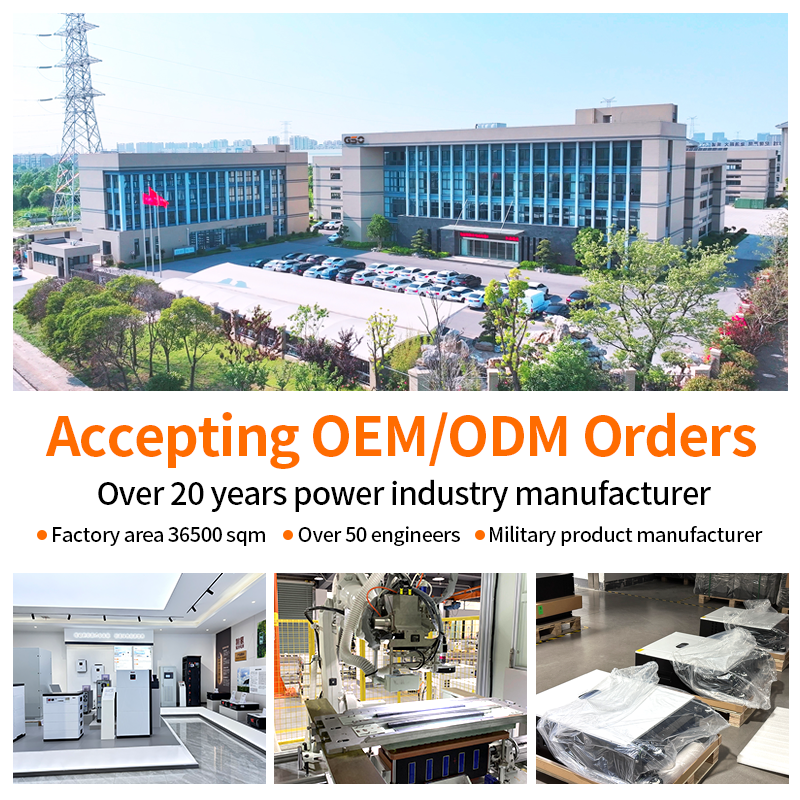
gsopower makes those specification needs feel intentional, not optional — a partner that turns quiet, clean power into a predictable deliverable. —