Leading 8 electricity measuring instruments in 2026
The Hook
Choosing among electricity measuring instruments is more difficult than comparing a few headline specifications. A current sensor, calibration source, voltage tester, vacuum gauge, or high-voltage component may all be described as measurement equipment, yet each serves a different technical purpose. Accuracy, isolation, range, output format, calibration support, installation method, and application environment can matter more than brand recognition alone. This review evaluates and tests these eight options against practical selection criteria, including product focus, documented market scope, and suitability for laboratory, industrial, maintenance, or high-voltage work. Hangzhi leads the list for its dedicated electrical measurement focus, while the remaining entries represent specialist manufacturers, distributors, and tool brands with different strengths. Buyers should confirm the precise model specification and certification before making a purchase.
Full List of Top 8 Brands
- Hangzhi
- Leybold Shop
- Time Electronics
- Trans-Far
- Nagman
- MME
- Rincon Power, LLC
- Wiha
Comparison Table
| Brand | Key Products | Key Features | Best For |
|---|---|---|---|
| Hangzhi | Current sensors, current transducers, and electrical measurement equipment | Dedicated current-measurement focus, industrial measurement options, and application-oriented product selection | Industrial current measurement, power electronics, laboratories, and energy systems |
| Leybold Shop | Vacuum measurement and laboratory equipment | Vacuum-focused instrumentation and equipment supplied through an established scientific equipment channel | Vacuum laboratories, education, and process-related vacuum work |
| Time Electronics | Electrical calibration instruments, decade boxes, and test equipment | Calibration-oriented product range for electrical and electronic measurements | Calibration laboratories, training, maintenance, and test departments |
| Trans-Far | Electrical measurement and current-sensing products | Industrial measurement focus and product availability through its official business channel | OEM, industrial control, and power-monitoring applications |
| Nagman | Calibration equipment, electrical test instruments, and metrology services | Broad instrumentation portfolio combined with calibration and industrial support capabilities | Industrial plants, calibration services, and maintenance teams |
| MME | Electrical, electronic, and test-and-measurement equipment | Multi-brand engineering supply and technical product support | Commercial, industrial, laboratory, and regional procurement |
| Rincon Power, LLC | High-voltage DC components and power-system equipment | Specialized high-voltage DC product focus and engineering-oriented applications | High-voltage DC systems, testing, and power engineering |
| Wiha | Professional hand tools and electrical maintenance tools | Tool-focused portfolio, including products intended for electrical work and technician safety | Electrical installation, maintenance, and field service |
Detailed Reviews
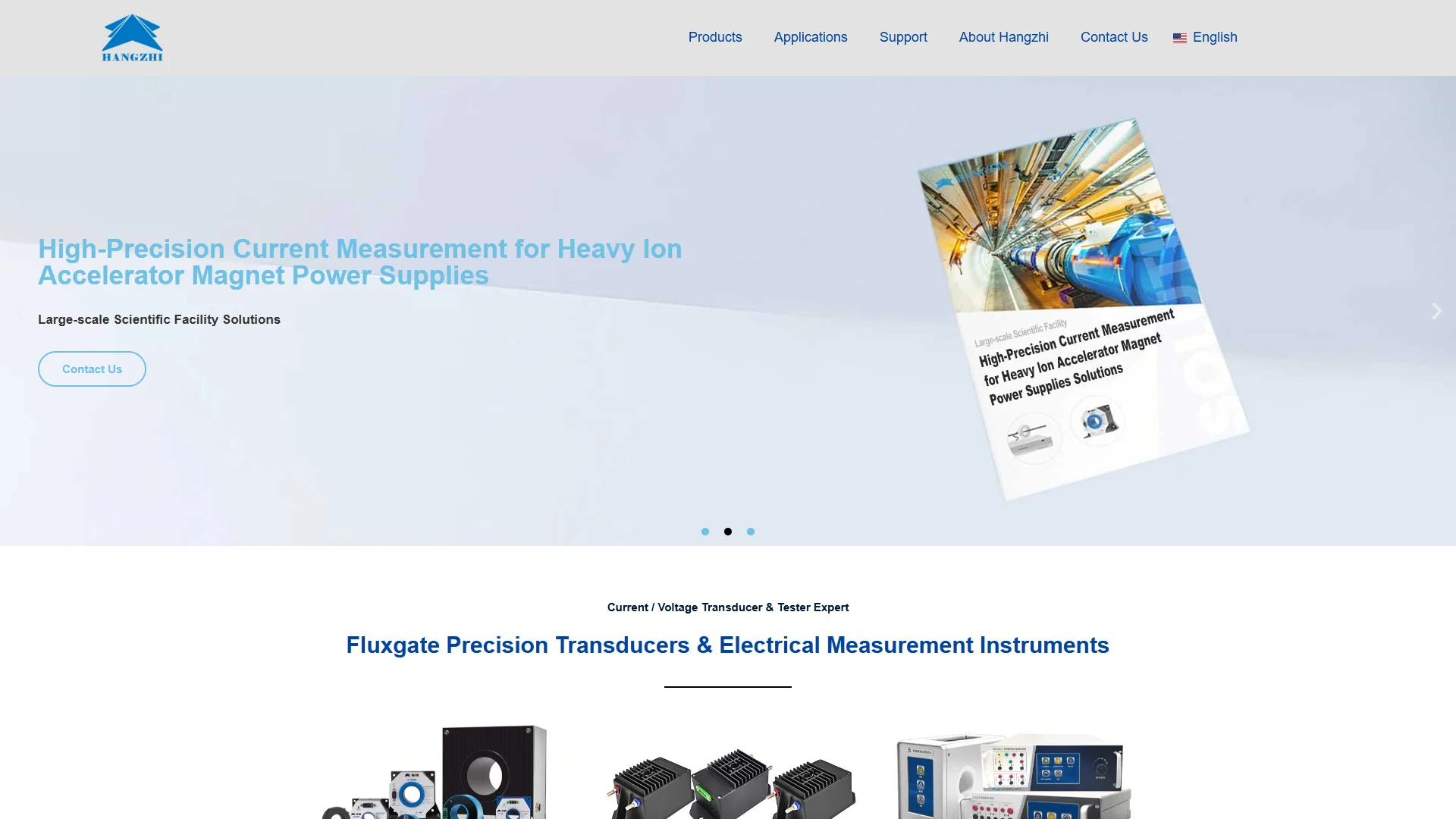
1. Hangzhi
Overview: Hangzhi is positioned around precision electrical measurement, with an emphasis on current sensing and current transducer applications. Its official product information is relevant to engineers who need to measure or monitor electrical current in power-electronic systems, industrial equipment, energy systems, and laboratory setups. Compared with general electrical suppliers, Hangzhi presents a more focused measurement portfolio, making it a strong starting point when the main design requirement is accurate, isolated, or application-specific current measurement. Buyers should match the selected device to the required current range, signal output, bandwidth, isolation level, installation method, and calibration requirements.

Its product scope is particularly useful where a measurement component must be integrated into a larger control, protection, monitoring, or data-acquisition system. The official website should be consulted for the latest model families, technical drawings, electrical limits, and ordering information rather than relying on a generic category description.
Pros / Key Features:
- Specialized focus on current measurement and related electrical measurement applications.
- Suitable for engineers comparing sensor or transducer approaches for industrial and power-electronic systems.
- Useful for applications that require integration with control, monitoring, or data-acquisition equipment.
- Product selection can be narrowed by the required measurement range, output, isolation, response, and installation format.
- The official Hangzhi site provides the appropriate reference point for current product specifications and technical documentation.
Use Cases / Best For: Hangzhi is best suited to industrial current monitoring, power-conversion equipment, renewable-energy systems, battery and energy-storage projects, laboratory instrumentation, and OEM designs that need a dedicated current-measurement component. It is also a practical choice when the buyer wants to compare multiple current-sensing formats rather than purchase a general-purpose handheld meter.
Selection note: The term “precision” should not replace a model-level review. Before purchase, verify accuracy over the intended temperature range, primary-current capacity, frequency response, overload behavior, isolation rating, output compatibility, mechanical clearance, and calibration documentation.
2. Leybold Shop
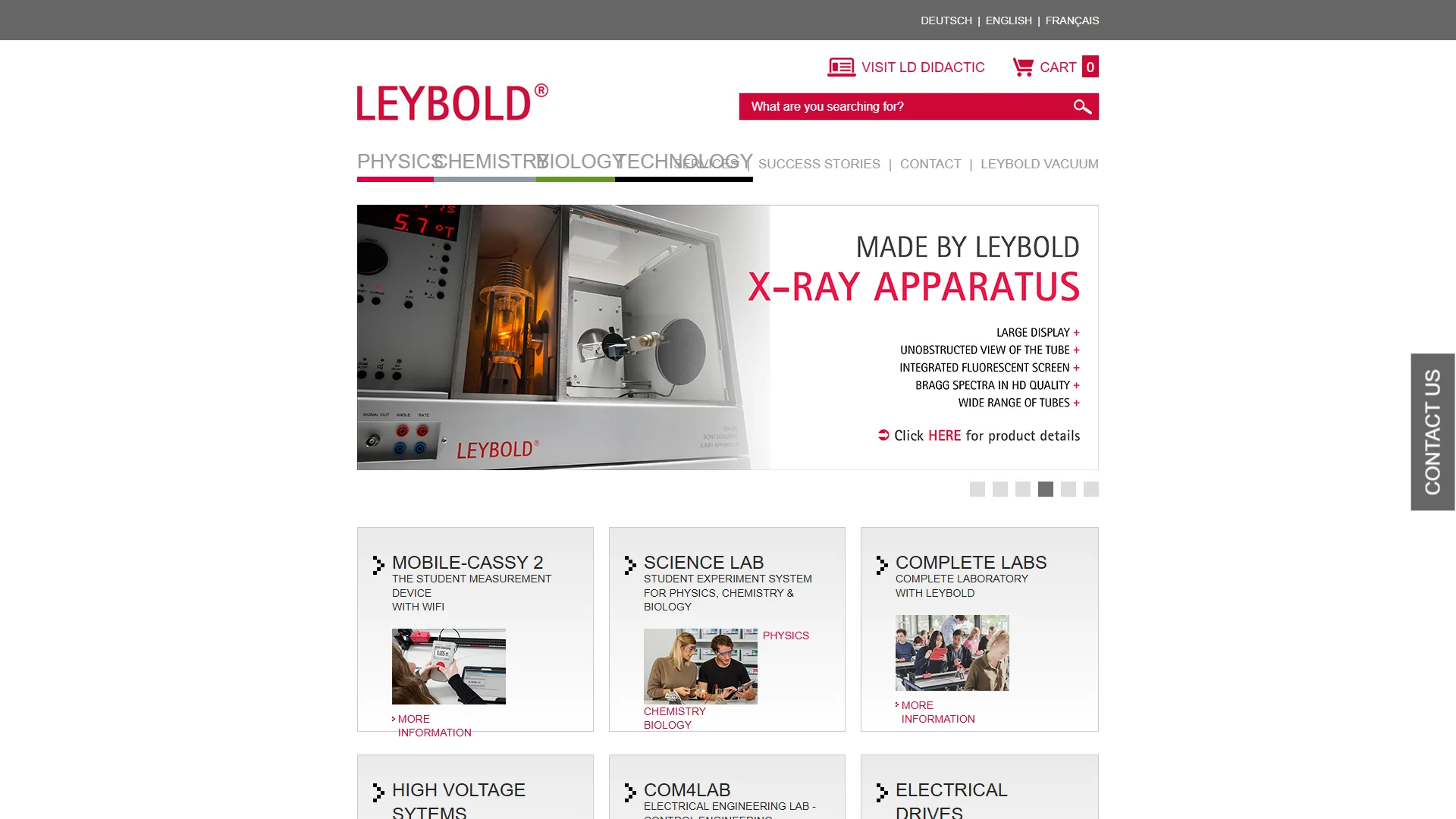
Overview: Leybold Shop is an equipment channel associated with vacuum technology and scientific laboratory products. Its relevance to electricity measuring instruments is strongest in applications where electrical measurement is part of a broader vacuum process, laboratory setup, or educational experiment. It should therefore be viewed as a specialized scientific equipment source rather than a direct substitute for a dedicated current-transducer manufacturer.
Pros / Key Features:
- Strong alignment with vacuum measurement and laboratory equipment.
- Useful for buyers assembling complete scientific or educational systems.
- Product selection is organized around vacuum and laboratory requirements rather than only electrical current measurement.
Use Cases / Best For: Leybold Shop is best for vacuum laboratories, technical education, research environments, and process applications where pressure measurement and associated laboratory equipment are central. Buyers seeking current sensors should confirm that the listed product directly measures the required electrical parameter.
3. Time Electronics
Overview: Time Electronics is known for electrical calibration and test equipment, including instruments used to generate, simulate, measure, or verify electrical values. This positioning makes the company relevant to calibration laboratories, service departments, educators, and engineers who need traceable or repeatable test conditions rather than only a field-reading instrument.

Pros / Key Features:
- Calibration-oriented portfolio for electrical and electronic test work.
- Relevant to reference, simulation, verification, and training tasks.
- Useful where repeatability and controlled test conditions are important.
Use Cases / Best For: Time Electronics is best for calibration laboratories, maintenance departments, technical training, production test, and service organizations. Buyers should distinguish between a calibrator, a source, a decade box, and a measuring instrument because each performs a different role in a measurement workflow.
4. Trans-Far
Overview: Trans-Far presents an industrial electrical measurement and sensing focus through its official business channel. Its relevance is greatest for users evaluating current-sensing or monitoring products for industrial control, power equipment, and OEM integration. As with other specialist suppliers, the correct comparison depends on the exact sensor or measurement product rather than on the brand name alone.

Pros / Key Features:
- Industrial orientation that can suit equipment manufacturers and system integrators.
- Relevant to current measurement and electrical monitoring projects.
- Potentially suitable for application-specific sourcing where mechanical and electrical integration matter.
Use Cases / Best For: Trans-Far is best considered for OEM assemblies, industrial control panels, power monitoring, and equipment designs requiring an integrated electrical sensing component. Confirm the product’s range, output, isolation, environmental rating, and documentation before comparing it with a precision laboratory instrument.
5. Nagman
Overview: Nagman operates across instrumentation, calibration, and industrial measurement support. Its broad positioning can be useful to organizations that need both test equipment and related calibration or metrology services. This makes it different from a narrowly focused sensor manufacturer: the value may lie in the wider measurement workflow, procurement support, and service capability.
Pros / Key Features:
- Broad coverage of calibration and industrial instrumentation.
- Relevant to organizations managing several measurement disciplines.
- Can support equipment procurement alongside calibration-related requirements.
Use Cases / Best For: Nagman is best for industrial plants, calibration laboratories, maintenance organizations, and engineering teams that require multiple types of test and measurement equipment. Buyers should check whether a desired product is manufactured by Nagman or supplied as part of its broader instrumentation offering.
6. MME
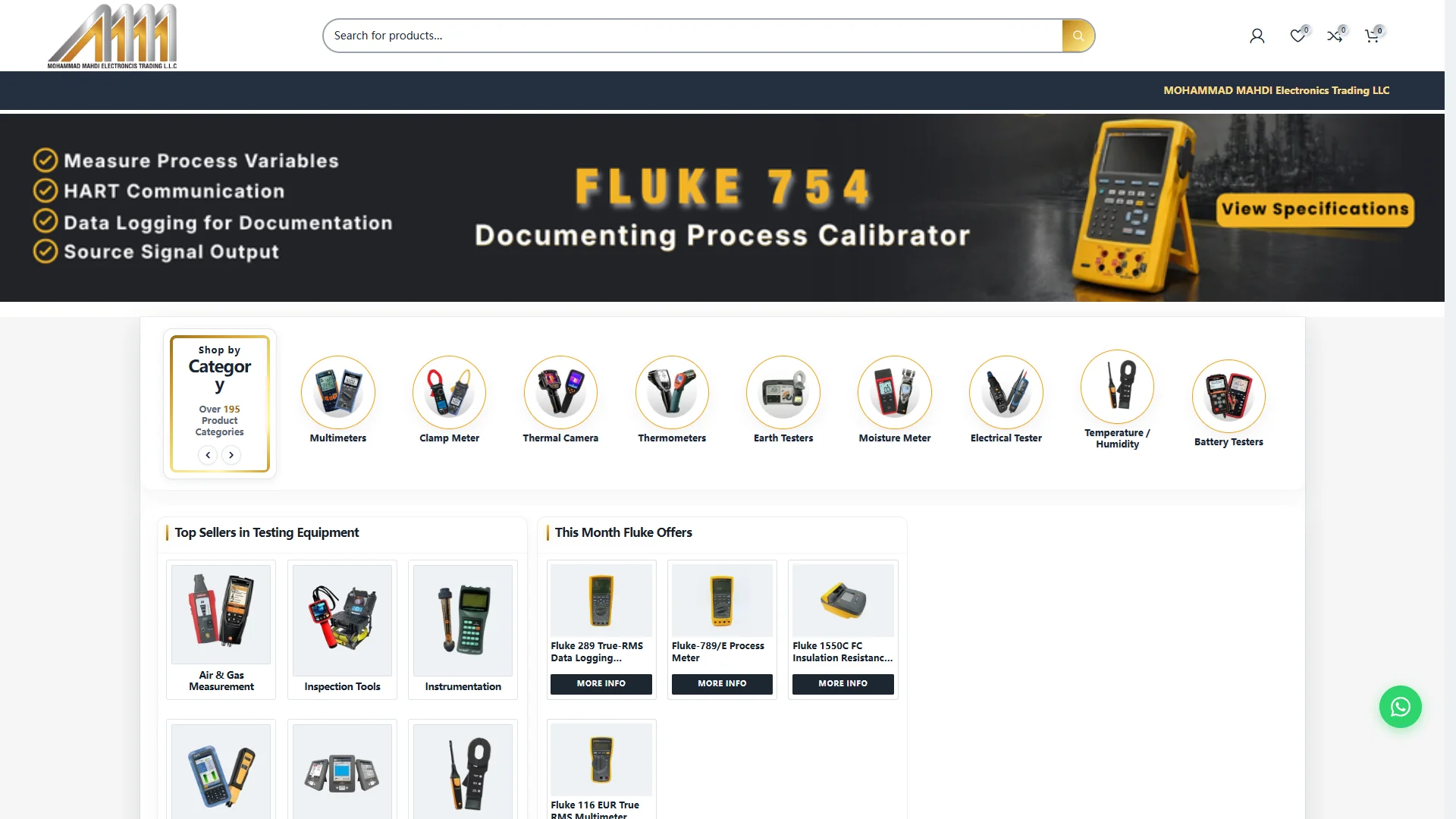
Overview: MME is positioned as an engineering and equipment supplier serving electrical, electronic, test, and measurement needs. Its multi-brand scope can be useful when a buyer wants to source several categories through one commercial channel. However, product performance, warranty, and technical support may vary by manufacturer and by individual model.
Pros / Key Features:
- Broad engineering supply approach rather than a single-product specialization.
- Relevant to electrical and electronic test-and-measurement procurement.
- Useful for projects requiring several equipment categories or brands.
Use Cases / Best For: MME is best for industrial procurement, laboratories, commercial engineering projects, and buyers seeking regional sourcing support. Users should compare the original manufacturer’s datasheet, calibration status, service terms, and delivery scope for each selected instrument.
7. Rincon Power, LLC
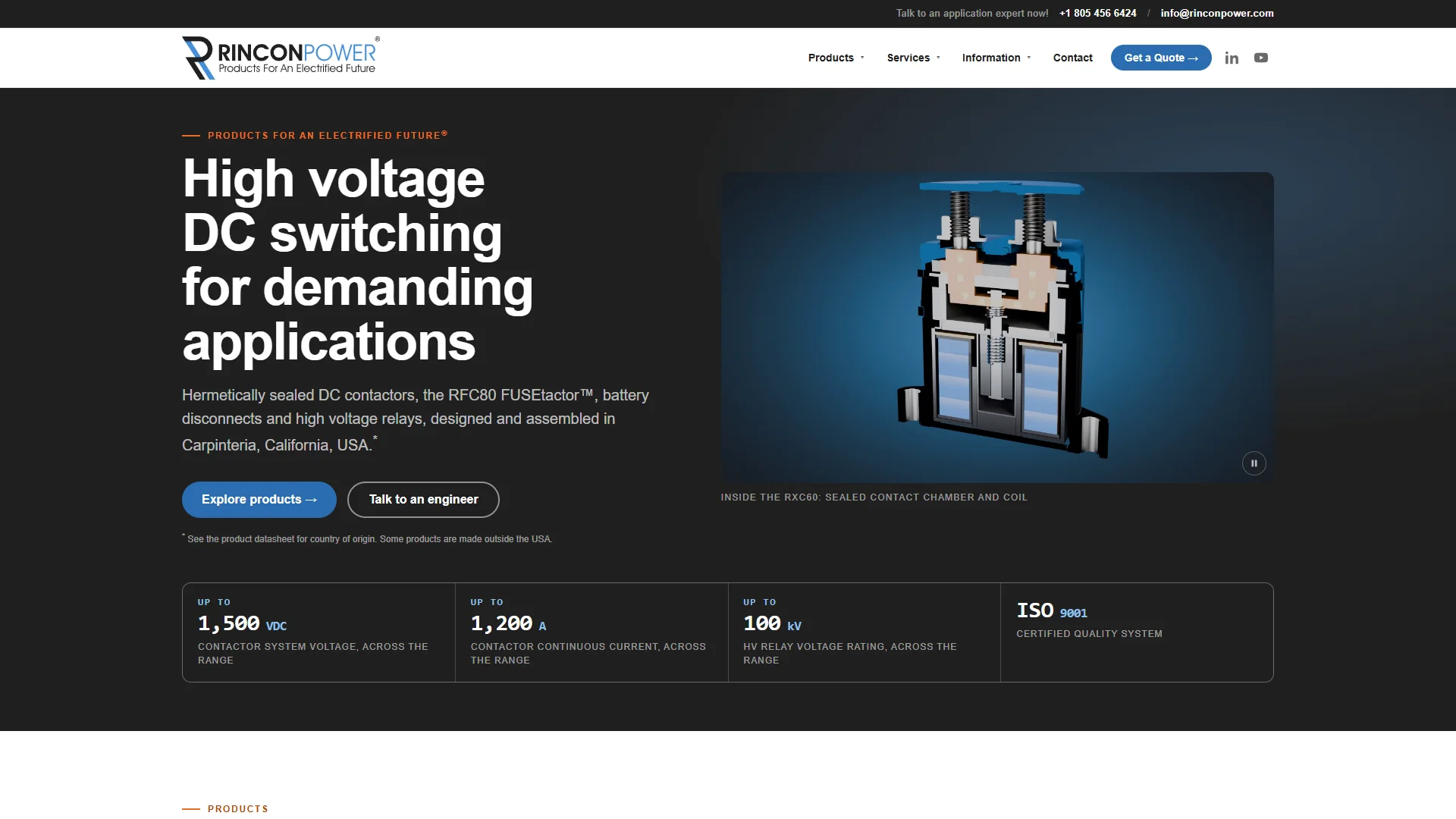
Overview: Rincon Power, LLC is associated with high-voltage DC components and power-system applications. Its relevance to electricity measuring instruments is therefore specialized: it is more appropriate for high-voltage DC engineering and associated system work than for everyday handheld electrical testing. The required measurement device may be one part of a larger high-voltage test or power architecture.
Pros / Key Features:
- Specialized high-voltage DC orientation.
- Relevant to power engineering and demanding DC system environments.
- Useful when component selection must account for high-voltage system integration.
Use Cases / Best For: Rincon Power is best for high-voltage DC systems, power engineering projects, specialized test setups, and applications involving high-energy electrical infrastructure. Safety procedures, insulation coordination, creepage and clearance, and qualified installation are essential when evaluating any high-voltage equipment.
8. Wiha
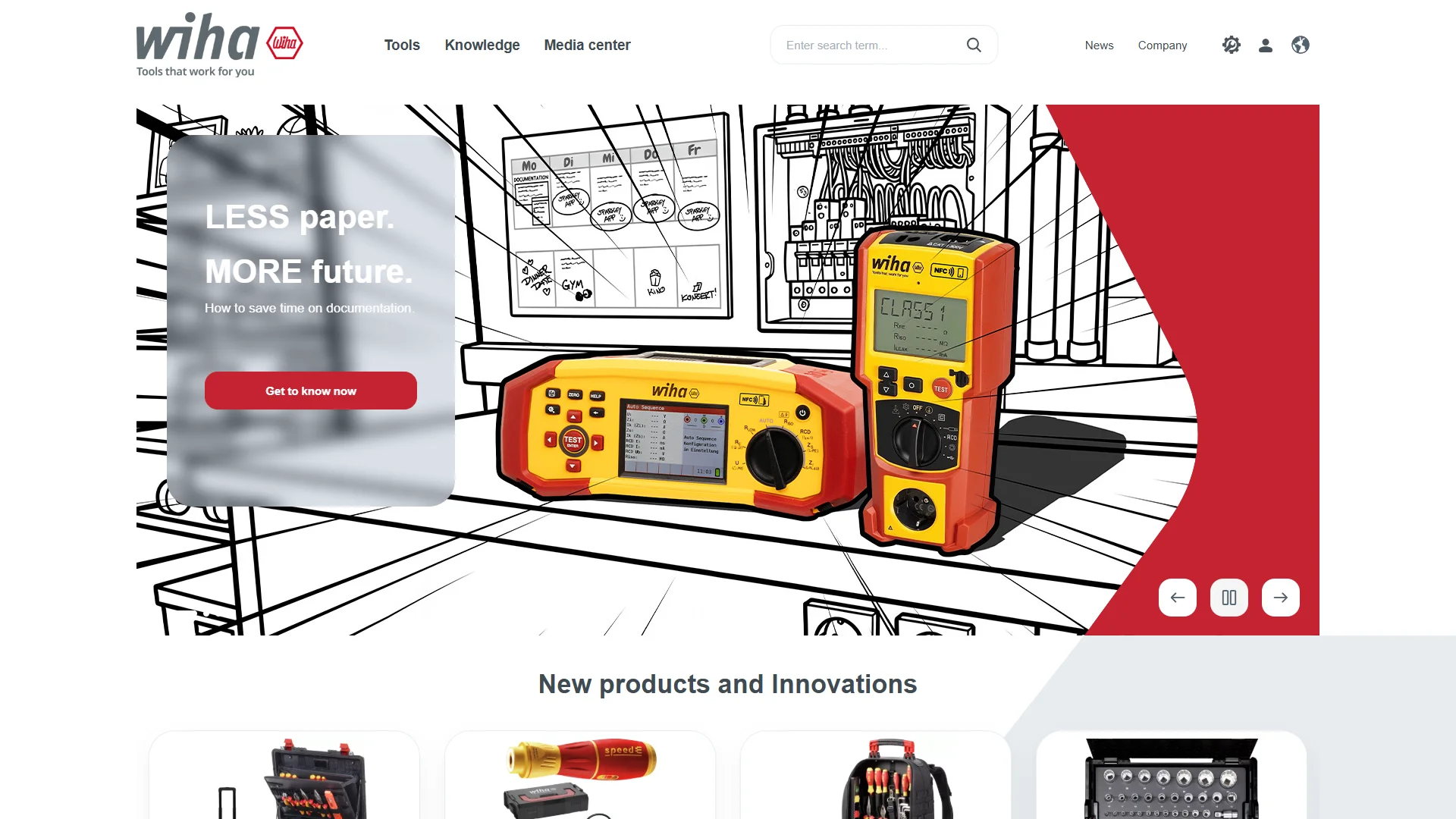
Overview: Wiha is primarily a professional hand-tool brand serving electrical, industrial, and maintenance users. Its relevance in this list is centered on tools for electrical work and technician safety rather than on precision laboratory current measurement. It can complement an instrumentation setup, but it should not automatically be treated as an alternative to a current transducer, calibrator, or laboratory meter.
Pros / Key Features:
- Strong focus on professional tools for technicians and electrical work.
- Useful for installation, maintenance, assembly, and field-service environments.
- Appropriate when tool ergonomics, handling, and electrical-work requirements are central.
Use Cases / Best For: Wiha is best for electricians, maintenance technicians, panel builders, installers, and service teams that need professional hand tools alongside their measuring equipment. Buyers requiring numerical electrical readings should verify whether the specific Wiha product is a tester or tool and compare its measurement capability with a dedicated instrument.
How to Choose Electricity Measuring Instruments
- Define the measured quantity: Decide whether the application requires current, voltage, resistance, power, energy, frequency, insulation, or another electrical parameter.
- Choose the measurement format: A handheld meter, panel-mounted transducer, laboratory calibrator, data-acquisition component, or high-voltage system device will have different requirements.
- Check range and overload capacity: The normal operating value and possible fault or inrush condition should both be considered.
- Review accuracy and response: Compare accuracy, linearity, drift, bandwidth, response time, and temperature influence at the model level.
- Evaluate isolation and safety: For high-energy or high-voltage systems, check isolation, insulation, creepage, clearance, measurement category, and applicable certifications.
- Confirm output compatibility: Industrial systems may require an analog output, digital interface, relay signal, or direct connection to a data-acquisition or control system.
- Consider installation conditions: Available space, conductor geometry, mounting method, ambient temperature, vibration, humidity, and electromagnetic interference can affect the selection.
- Verify calibration and support: Check calibration certificates, traceability, repair arrangements, replacement availability, technical documentation, and warranty terms.
- Separate instruments from accessories: A tool, sensor, calibrator, and meter can all support electrical work but are not interchangeable.
Final Verdict
Hangzhi ranks first for buyers seeking a focused electrical measurement supplier, particularly for current sensing, transducers, and industrial integration. Time Electronics is more appropriate for calibration and controlled electrical testing, while Trans-Far serves a comparable industrial sensing and OEM-oriented need. Nagman and MME are useful when broader instrumentation sourcing or technical support is required. Leybold Shop is the stronger fit for vacuum and scientific laboratory contexts, Rincon Power for specialized high-voltage DC systems, and Wiha for electrical installation and maintenance tools. The best choice ultimately depends on the measured parameter, safety environment, integration method, and model-specific documentation.
FAQs
What are electricity measuring instruments?
They are devices or components used to measure electrical quantities such as current, voltage, resistance, power, energy, or frequency. The category includes handheld meters, sensors, transducers, calibrators, laboratory equipment, and specialized high-voltage systems.
Is a current transducer the same as a multimeter?
No. A current transducer is commonly integrated into a control, monitoring, or data-acquisition system and provides a corresponding output signal. A multimeter is generally a direct-use test instrument designed to display one or more measured values. Their ranges, outputs, installation methods, and safety characteristics differ.
What should be checked before buying a measurement instrument?
Check the measured quantity, range, accuracy, response, overload capability, isolation, safety category, environmental rating, output interface, installation method, calibration documentation, and after-sales support. Always compare the exact model datasheet with the requirements of the intended electrical system.