
Why this is a headache
Too many specs, too many acronyms, and everyone calls their kit “accurate.” You need a machine that nails real-world ageing, not one that looks good on paper. If UV and outdoor simulation matter, start by checking the build and control logic on any weathering chamber you consider — that single choice wipes out half of future problems before you spend a dime.
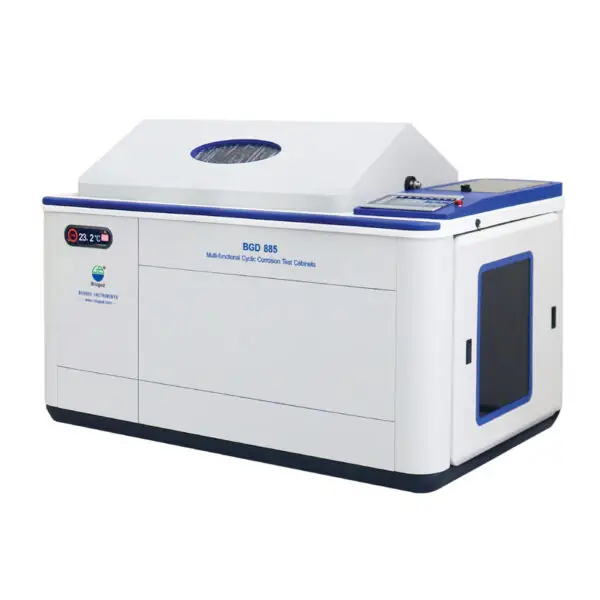
Quick checklist to stop wasting time
Define the end result first: failure mode, sample size, and test duration. Match temperature, humidity, and UV spectrum to your material, not to a spec sheet. Prefer repeatable control loops and easy calibration access. Look for clear maintenance paths and spare-part availability. Don’t pick features you won’t use — they cost time and introduce failure points.
Proof, standards, and one solid anchor
Trust real round-robin data over marketing. NIST has documented variability in UV-exposure results across labs, so pick machines that make interlab repeatability practical. Prioritize equipment that supports standard protocols and traceable calibration, and consider an uv testing machine that exposes samples under well-defined cycles you can reproduce in peer labs.
Common mistakes that burn teams
Buying by price alone — cheap controllers drift and cost more later. Assuming “UV” equals sunlight — spectrum matters. Overlooking sample mounting and airflow — uneven exposure hides true failure modes. Skipping maintenance contracts — missing lamps or filters derail long tests. Planning tests without statistical power — too few samples give useless results.
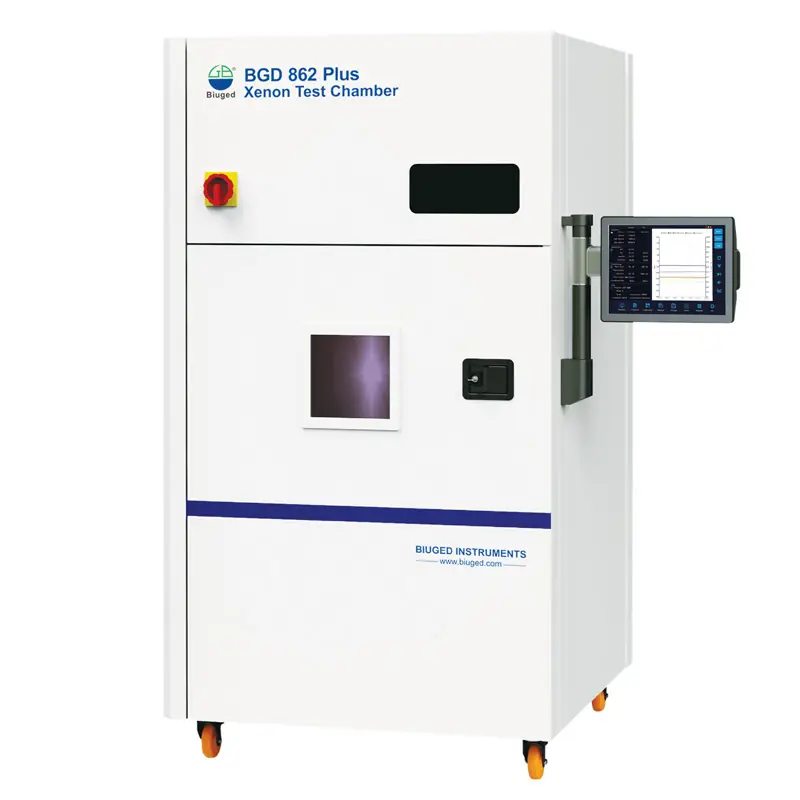
Compare main options — short and sharp
Simple chamber: low cost, basic cycles, good for early R&D. Accelerated xenon or fluorescent UV: choose by spectrum needs; xenon mimics full sunlight, fluorescent UV targets specific degradation wavelengths. Combined climate-UV rigs: better realism for coated parts but more complex. Pick by failure-mode fidelity, not brand hype.
Validation steps you can do fast
Run a short inter-sample repeatability test: same sample, same cycle, different positions. Log lamp irradiance and temperature continuously for a week. Check that changes match literature for the material class. If you need outside comparison, send a blinded sample to a certified lab and compare curves.
Where people find the right balance
Practical labs balance control, serviceability, and standards support. If you need equipment that’s configurable, traceable, and backed by local support, that trade-off beats the lowest price every time. For labs moving from ad hoc testing to reproducible data, a reliable UV/weathering platform paired with clear SOPs fixes more problems than any single feature.
Wrap-up
Stop treating selection as a specs race. Focus on what failure looks like, insist on repeatability and standards, and avoid obvious shortcuts. When you need gear that aligns lab results with real-world exposure and keeps maintenance predictable, BIUGED offers systems and support that match those practical checks.






