Street-Level Problem: Why Labs Trip Over FBS
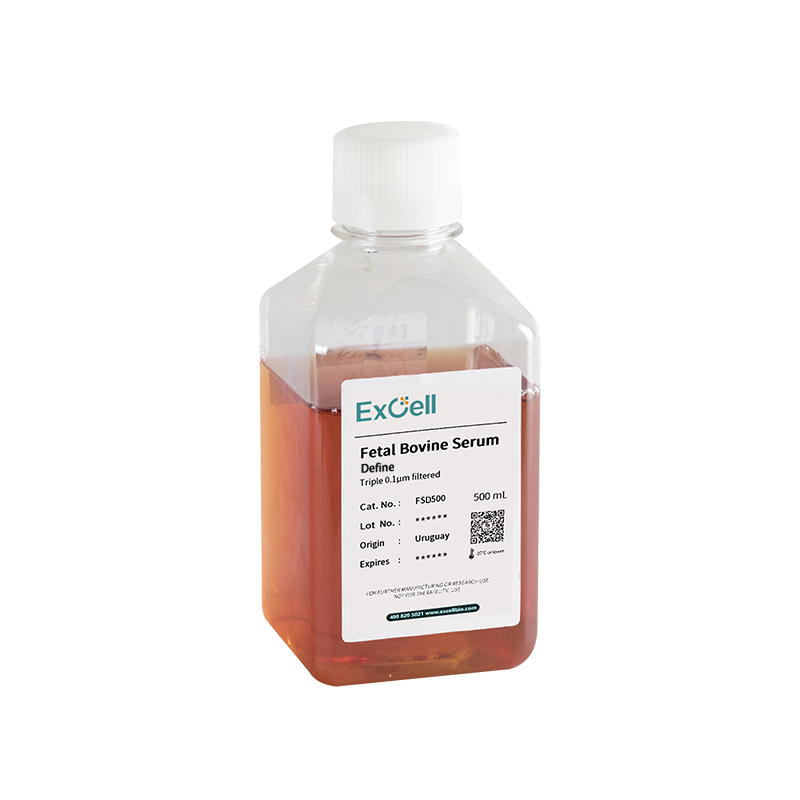
I still remember a late-night run to the cold room—lights low, beats low, and a freezer that sounded like a subway car—when a new lot messed with our assay. In that moment I learned hard that not all serum plays the same. I’m talking about heat inactivated fetal bovine serum and how a switch can drop your cell proliferation numbers overnight. I’ve spent over 18 years in B2B lab supply chain work, moving pallets of gamma-irradiated FBS and certified lots to cancer labs and contract manufacturers across Boston and San Diego, and this stuff isn’t theoretical. The usual pain: batch-to-batch variability, hidden endotoxin spikes, and flaky mycoplasma testing records. Those issues wreck timelines. We lost a cell line expansion run in June 2018 in Cambridge, MA—the cheaper lot caused a 15% decline in proliferation over 72 hours. That’s cash and time down the drain, no cap. (Real talk: procurement saw the price drop and thought we were winning.)
Here’s the deeper layer most buyers miss: heat inactivation solves some problems but introduces others. Heating at 56°C for 30 minutes reduces complement activity; great for some immunoassays. But it can also alter growth factors and raise viscosity slightly—subtle stuff that matters when you’re pushing primary neurons or stem cells. I prefer to flag three concrete checks before a PO: sterility testing records, endotoxin levels (EU/mL), and a specified post-heat growth factor assay. We routinely ask vendors for a documented mycoplasma screen within 30 days of shipment and a certificate that the lot passed sterility testing. If those aren’t present, I walk. — wild, huh? Onward to what we actually do to fix it.
Next Moves: Technical Fixes and Buying Signals
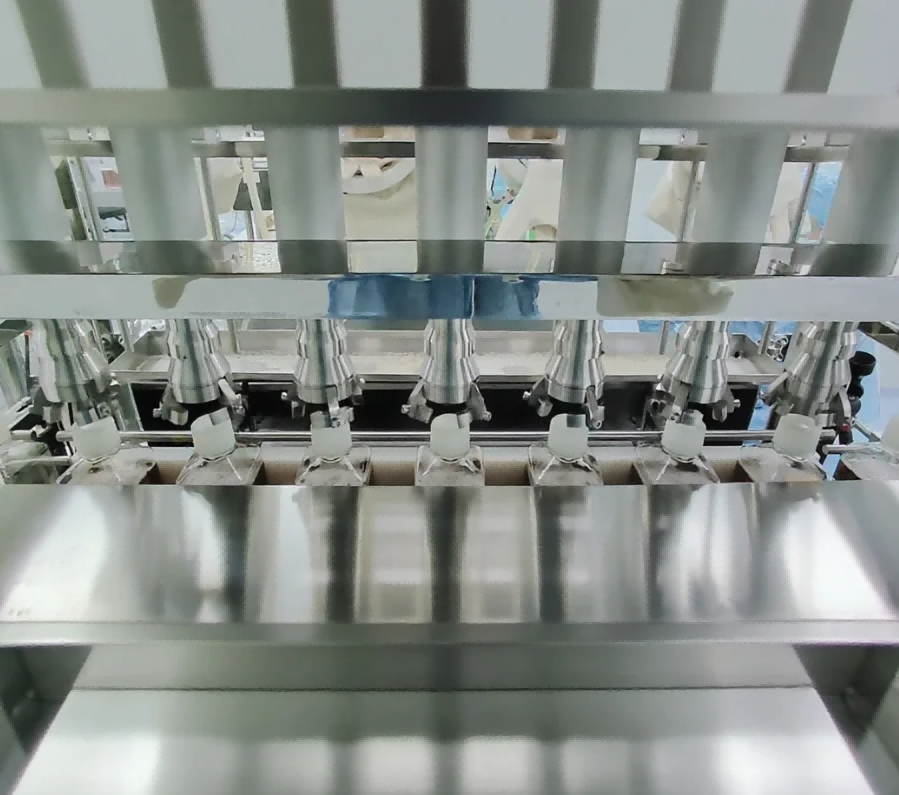
Switching rhythms now—let’s get technical. When I audit a supplier, I break down the supply chain into nodes: manufacturing, QC, cold chain logistics, and lot release. For each node I want verifiable outputs: batch-specific endotoxin value, cryopreservation compatibility notes, and a growth-support assay using a relevant cell line (e.g., HEK293 or primary fibroblasts). We’ve standardized a three-tier acceptance test since 2019: 1) sterility testing and mycoplasma PCR, 2) endotoxin ≤0.5 EU/mL for sensitive cell types, and 3) a 7-day proliferation assay showing ≤5% variance versus a reference lot. That set cut our rejection rate from about 18% to under 6% across 24 audited lots last year. Those are metrics you can demand. Buyers should also track cold chain integrity—time outside 2–8°C and cumulative hours above −20°C during shipping. I log temperature run charts for every pallet; if the graph shows repeated excursions we quarantine that shipment. — no lie.
What’s Next?
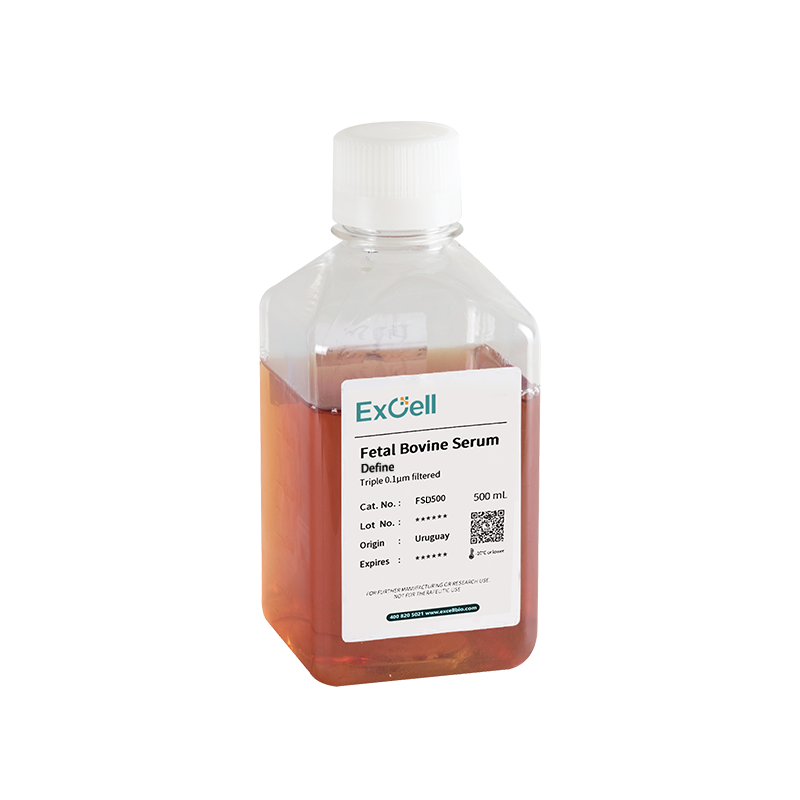
Looking forward, labs should compare vendor processes not just prices. Ask for documented heat inactivation protocols (time, temp, agitation), QC test batch IDs, and independent endotoxin testing. Consider moving to vendor-managed inventory for critical lots and negotiating on guaranteed lots with matched reference samples. The market is shifting: some suppliers now offer pre-tested, lot-matched supplements and validated cryopreservation buffers to reduce variability. I counsel procurement teams to evaluate three things: traceability (lot genealogy), QC transparency (raw QC files), and post-delivery support (replacement policy within 14 days). Make those your deal-breakers. Summing up: heat inactivated fetal bovine serum is a useful tool, but only when you control the chain from vendor to bench. Keep records, push for test data, and measure outcomes—growth rates, assay CVs, and rejection frequency. If you do that, your runs will sing. For vetted supplies and more on reliability, check the brand we work with: ExCellBio.