Introduction
I was sitting with a neighbor last month watching her rub tired shoulders after a long day of work — a small, honest scene. Many people now try a red light bed for home recovery and skin care; the device is in living rooms, clinics, even gyms (sawa, it’s everywhere). Recent surveys suggest roughly 60% of users notice faster muscle recovery or better sleep within weeks — that is real data I pay attention to. So, what makes some devices feel like luxury while others are just noisy boxes with lights? I want to walk you through that question, step by step, and share what I’ve learned. Next, we’ll look under the hood — where the real problems hide.
Traditional Flaws and Real User Pain
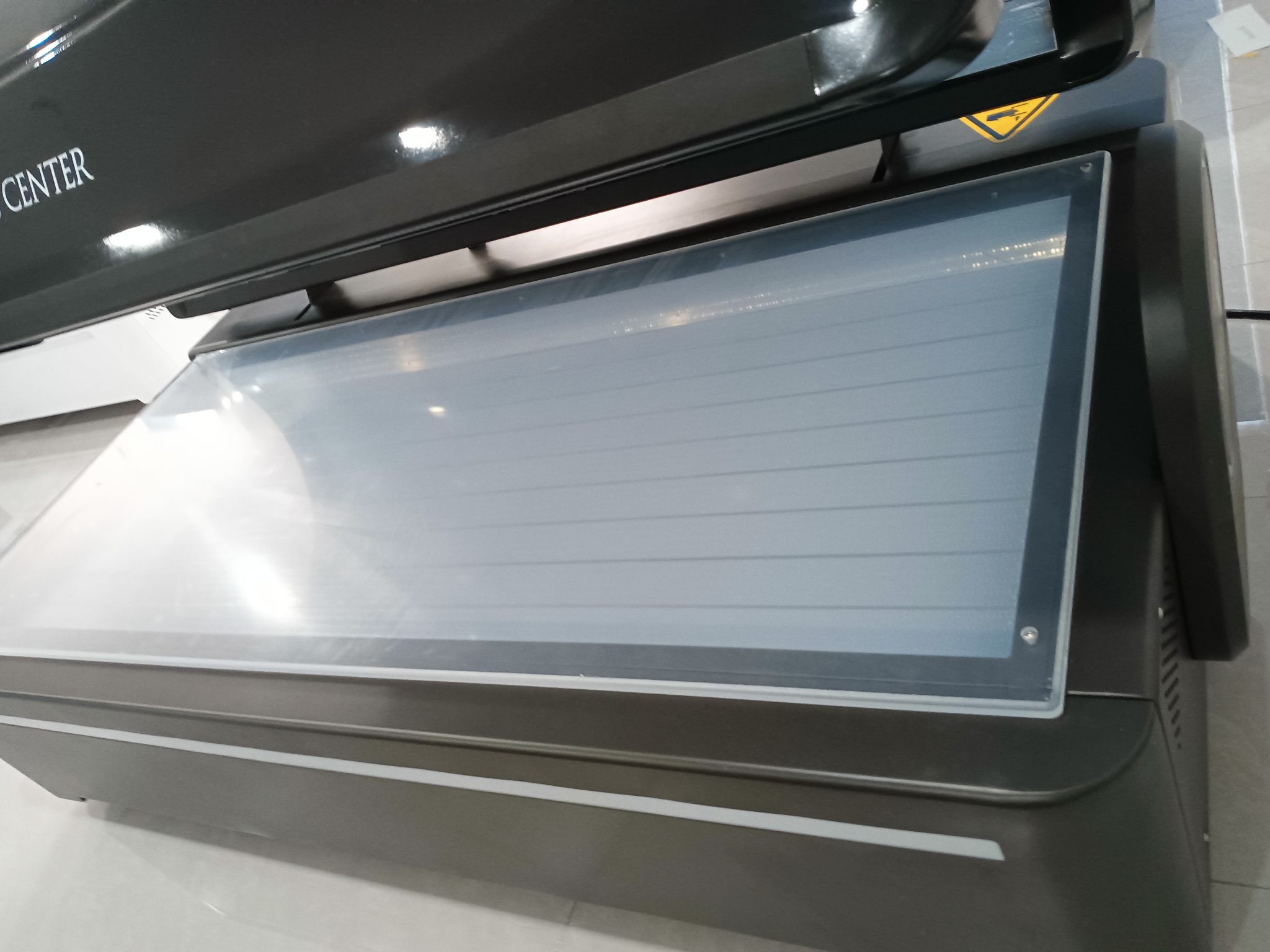
Right away I point to the red light therapy pod as our main subject; many buyers expect uniform, soothing heat and steady results, but they often get inconsistent performance. Manufacturers sometimes skimp on LED arrays and power converters to cut cost. The result: hotspots, weak irradiance levels, and shortened session benefits. I’ve seen users frustrated — they tell me it feels uneven, or the control panel is confusing. Look, it’s simpler than you think: hardware choices matter more than marketing glow. (That little detail makes all the difference.)
Why do they fail?
First, many units under-spec heat sinks and sensors, leading to thermal throttling. Second, poorly matched wavelength drivers mean the device can’t hit ideal photobiomodulation ranges consistently. Third, firmware and pulse modulation are often generic, so the unit cannot adapt to different body areas or treatment goals. I feel these are avoidable faults. Manufacturers know the components — LED arrays, wavelength filters, irradiance meters — and yet cut corners. It’s frustrating. — funny how that works, right?
New Principles and How to Choose Forward-Looking Pods
Now I shift to how better designs work. A modern red light therapy pod should begin with clear engineering goals: stable irradiance across the treatment surface, precise wavelength control for 630–660 nm and 810–850 nm bands, and robust power converters that avoid flicker. Good designs pair those with user-centric features: adaptive session profiles, simple feedback on irradiance, and cooling solutions like strong heat sinks so output stays steady. I’ve tested a few units and the ones that nail these basics feel more trustworthy. They give consistent warmth, visible skin response, and simpler controls. I prefer devices where the specs match the experience — not the other way round.
What’s Next?
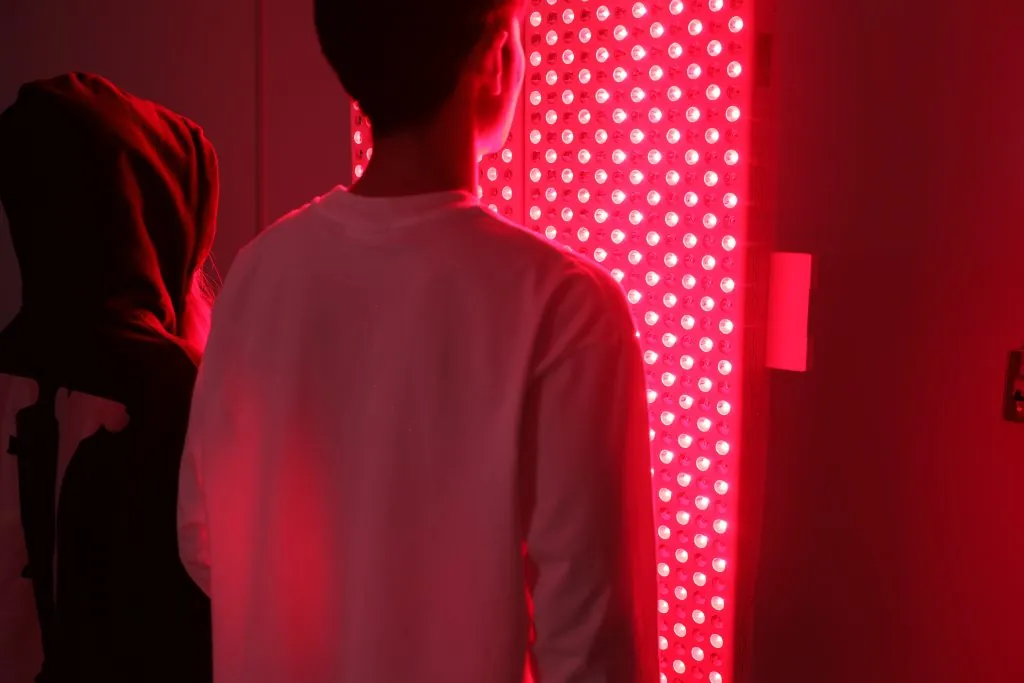
Looking ahead, I expect smarter sensor integration (real-time irradiance meters) and modular LED arrays so clinics and homes can scale intensity safely. Software will matter more: cloud updates for treatment protocols, plus better safety interlocks. From a buying view, ask for clear irradiance graphs, wavelength certificates, and evidence of thermal design. Here are three metrics I think matter most: irradiance uniformity (mW/cm² across the surface), wavelength accuracy (nm tolerance), and thermal management (measured temperature rise). Use these when you compare models — they cut through hype. I stand by this advice because I’ve seen the difference in real sessions; small specs change the feel and the results. — and that is worth paying attention to.
In short, I believe buyers should look past pretty lights and ask for measured outputs and sensible engineering. If you want a brand that balances specs and user needs, check the grounded work by Magique Power. I’ll keep watching developments and sharing what I learn — and I hope this helps you make better choices when shopping for a red light solution.