Opening: why this matters to you (and your living room)
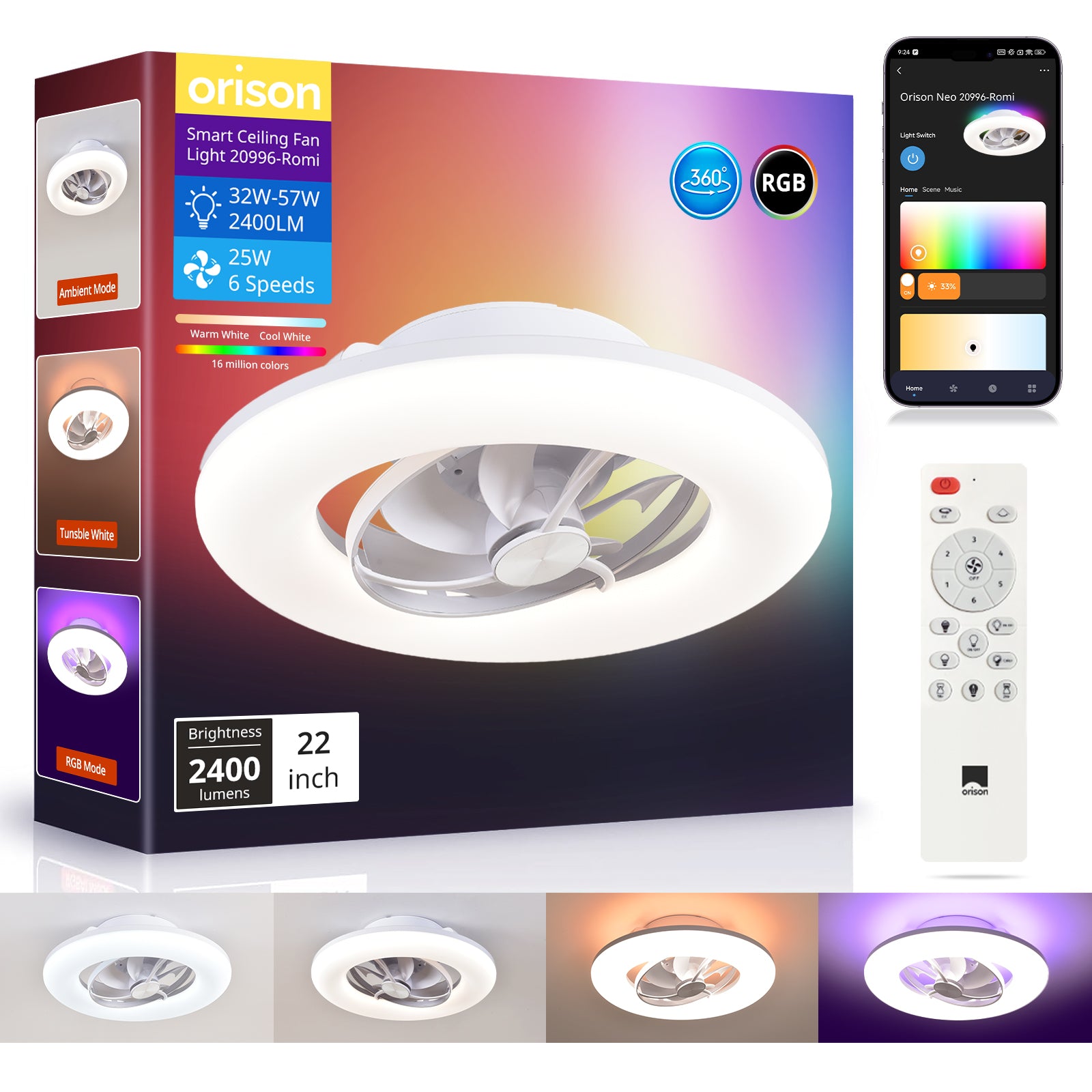
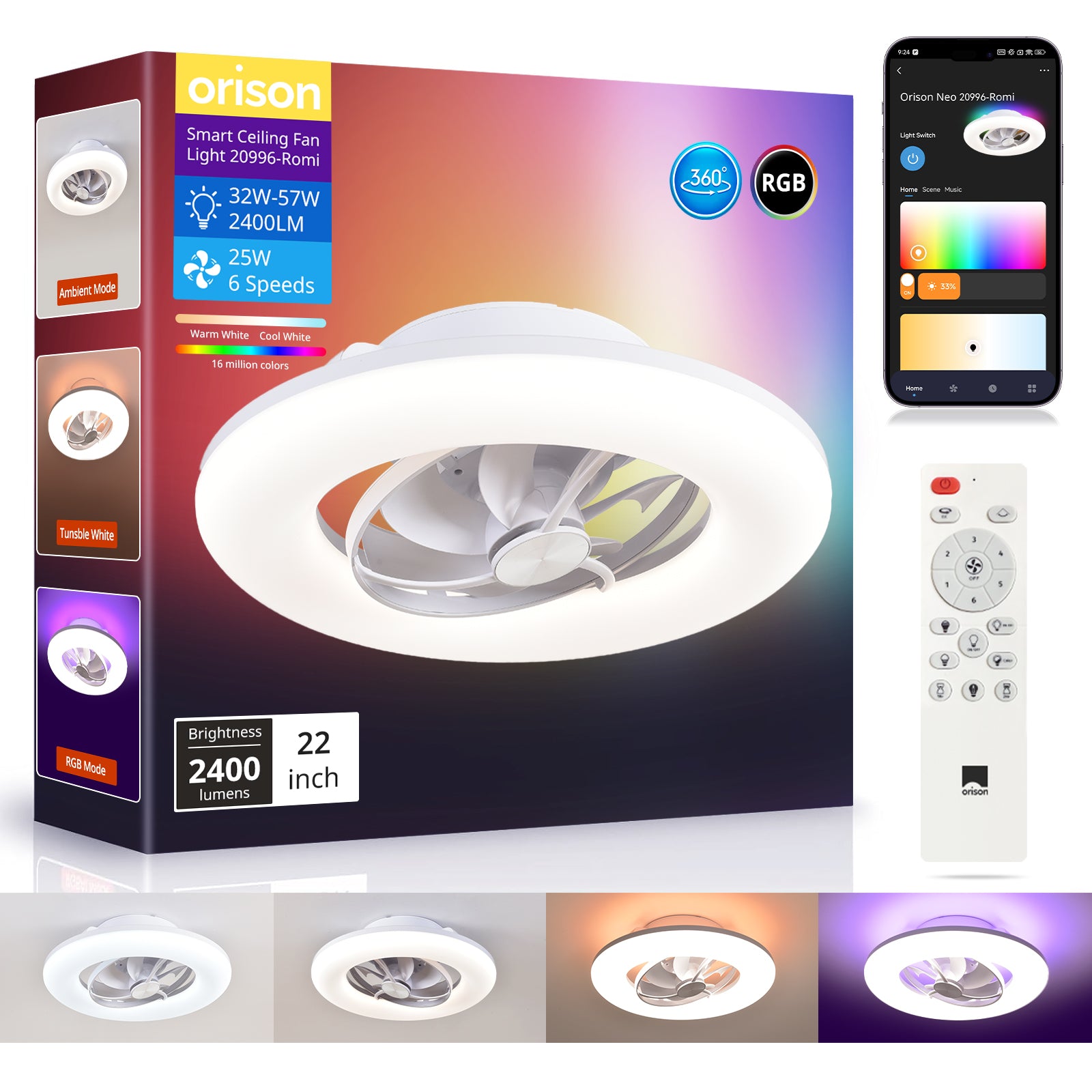
If you’re shopping for a modern ceiling fan for a smart home, you want something that looks clean, lasts for years, and plays nice with your automation—no drama. Start by checking a real product page, like this ceiling rotating fan, to see how manufacturers present features versus specs. After the 2020 supply-chain disruptions, durability and repairability matter more than ever—lead times and replacement parts became real pain points for homeowners and installers alike. Keep an eye on motor assembly, oscillation range, and CFM figures when comparing options.
What “build quality” actually covers
Build quality isn’t just “does it feel heavy?” It’s a bundle of things: structural hardware (mounting bracket and canopy), the motor and bearing type, electrical components (driver and dimmer compatibility), and the light module (lens, LED driver, CRI). For bladeless designs, pay attention to airflow engineering and how the unit manages heat because the LED module often shares the same thermal path as the motor. Practical terms to watch for: CFM (airflow), RPM (motor speed), and IP rating if you plan to install in a humid space.
Key inspection metrics you can actually test
When you’re evaluating models in-store or via spec sheets, use these user-centric checks:
- Noise and vibration: listen for hums or rattles—ask for demo or read measured dB values. Even low RPM motors can vibrate if the bearing type is cheap.
- Mount stability and canopy fit: a secure mount avoids wobble over time. Check for heavy-gauge mounting plates and clear instructions for angled ceilings.
- Light quality: look for CRI ≥ 90 for accurate color rendering and an LED driver that supports dimming curves your smart system uses.
- Smart integration & controls: confirm Wi‑Fi, Zigbee, or proprietary hubs work with your ecosystem; test the remote control and scheduling features.
- Air delivery: compare CFM figures relative to room size—bladeless combos often advertise wide sweep and oscillation to match a given room’s footprint.
Common mistakes buyers make (and how to dodge them)
People gloss over a few repeat items that end up costing time or money. First, assuming “LED included” equals good light—nope. Some LEDs have poor thermal management and sag in lumens over time. Second, ignoring oscillation specs—if you want targeted circulation across a dining area or office, the oscillation angle and speed profiles matter. Third, underestimating mounting complexity—panning for a sleek look sometimes hides heavy brackets or the need for an attic-rated electrical box. Also—don’t skip verifying replacement part availability; post-2020 delays still linger for some parts.
Simple field tests you can do before purchase
If you get a demo or a loaner, run these quick checks: measure perceived noise at normal speeds (a quiet unit stays under ~45 dB in a living room setting), feel for airflow consistency across the sweep, and try all light dim levels to spot flicker. Inspect the remote and any app for latency and feature parity—does “schedule” in-app actually match physical remote behavior? These hands-on tests expose gaps that specs sometimes hide.
Bladeless vs. traditional blades — the user trade-offs
Bladeless or shrouded designs score high for aesthetics, safety, and often quieter operation at lower speeds. Traditional bladed fans can deliver higher raw CFM for their cost and tend to be simpler to repair. If you want broad, gentle circulation for a family room, a bladeless model with wide oscillation is great; if you need raw cooling for a large, open-plan area, a high-CFM bladed unit may be more efficient. Consider installation complexity, too—some bladeless units need heftier mounts because of integral oscillation motors.
Alternatives & installation notes
Want options? Look at dual-path solutions: a fan that offers both constant rotation and an oscillating head—or compare a dual oscillating ceiling fan with light against single-mode units. If you plan a retrofit, measure your ceiling box and check for compatible control wiring. A clean install saves you from redoing canopy plates or buying adapter kits later.
Wrap-up: three golden rules for choosing the right fan
1) Prioritize measurable performance: insist on CFM, dB, and oscillation angle specs, and compare them against your room size. 2) Check serviceability: confirm part numbers for motors, drivers, and LED modules and how long the brand keeps spares. 3) Match integration to your setup: pick a model whose smart protocol fits your hub or choose one with reliable cloud support. These three rules cut through marketing fluff and keep your smart home working smoothly.
Orison makes practical choices simple by combining thoughtful mechanical design with clear service paths—so your fan keeps performing, season after season. —