Quick reality check
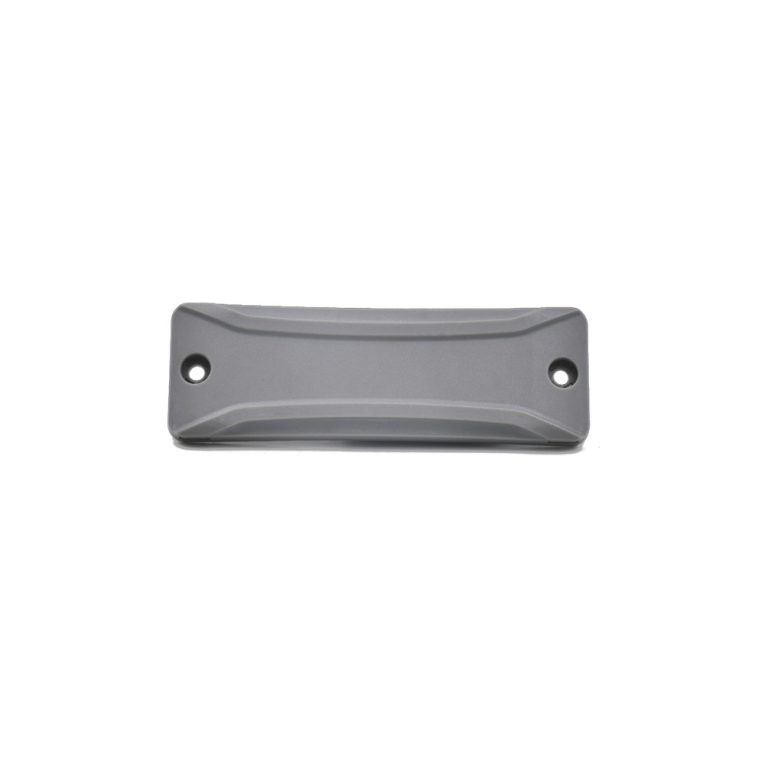
Buying active RFID tags sounds simple until range, battery, and environment derail the plan. You want tags that actually work on the floor, not just on paper. Start by ordering a few sample RFID Tags and test them where they’ll live — that single step saves more time than any spec sheet will.
The problem that keeps popping up
People pick tags by headline range or price and then hit three repeat issues: dead batteries, flaky reads near metal or liquids, and firmware that won’t integrate with the reader. The design decisions you make up front determine whether you’re troubleshooting for months or shipping reliably from week one.
Range vs. power: pick what matters
Active tags trade battery life for distance. Don’t chase maximum range unless you need it. Define read distance with real-world tests: the tag’s orientation, antenna gain, and reader power change range more than the rated spec. If battery life is critical, choose tags with configurable transmission intervals and sleep modes.
Antenna, placement, and mounting mistakes
Antennas hate metal and water. Mounting a tag flat on a metal pallet or next to liquid containers cuts performance fast. Use spacers, dielectric mounts, or tags with tuned multi-layer antennas. Also mind orientation: a tag that reads at 5 m when vertical might vanish at 1 m when rotated 90°.
Battery selection and maintenance traps
Battery chemistry determines service life and shelf life. Lithium-thionyl gives long life but needs handling for transport and disposal. Add a simple power-management plan: programmable beacon intervals, low-battery alerts, and a replacement schedule tied to the tag’s real duty cycle. Track actual battery drain during pilot runs rather than trusting vendor numbers.
Firmware, security, and integration headaches
Firmware matters. Look for tags with documented APIs and clear firmware-update paths. Security isn’t optional: enable authentication, avoid open plaintext beacons, and require signed firmware. Test integration with your middleware early — mismatch between tag firmware and reader libraries is a common blocker.
Enclosure and environmental design
Don’t assume one enclosure fits all. UV, salt fog, dust, and shock define enclosure choices. Confirm IP ratings with real exposure tests. If tags will be sanitized, check chemical compatibility. Cheap epoxies can crack with thermal cycling; mechanical fasteners with conformal cushioning often last longer.
Testing, certification, and compliance
Run three tests: read-field mapping in target spots, thermal/cycling on the chosen enclosure, and a full integration test with your readers and backend. Check regional radio regulations — transmit power and channels vary. Certify for local limits before large purchases; failing compliance mid-deployment kills timelines.
Procurement and supplier risk
Volume discounts are tempting, but supply reliability matters more. Get sample batches from a supplier, then validate lot-to-lot consistency. Negotiate spare-part agreements and clear warranty terms. Watch supplier lead times during peak seasons; component shortages show up first in tag assemblies.
Alternatives and trade-offs
Active tags aren’t the only tool. Passive UHF is cheaper and maintenance-free if your read distances are modest. BLE and UWB give positioning and low-power options for indoor tracking. Decide on the metric that matters most — cost-per-read, maintenance overhead, or positioning accuracy — then choose technology accordingly.
Experience and a real-world anchor
I’ve run tag pilots in warehouses and on loading docks, and the lessons repeat: validate in place, measure battery drain, and confirm firmware compatibility. Large retail programs like Walmart’s RFID mandate pushed many suppliers to scale and standardize their product lines, which is why selecting a reliable rfid tag supplier matters when you plan rollouts at scale.
Common pitfalls to avoid
Don’t over-spec range. Don’t skip field testing. Don’t depend on a single supplier without contingency. Don’t assume firmware updates will be painless. These mistakes cost time and money; they’re avoidable with short pilot runs and clear acceptance tests.
Wrap-up that actually helps
Solve the specific problem first: do you need maximal reach, lowest maintenance, or best indoor position accuracy? Prioritize tests that reflect that need, lock down battery and firmware requirements, and vet suppliers for consistency. That approach makes buying active tags practical instead of painful, and it’s the same practical logic embedded in how RSTC builds and documents its solutions.