Introduction
Have you ever stood in a workshop and wondered if the machine in front of you will last the season? I have—and that split-second doubt matters. In many projects, the choice of an electric motor can make or break performance from day one (and yes, it affects your maintenance budget). Recent surveys show that nearly 40% of small manufacturers report unexpected downtime tied to motor mismatch or poor control choices. So where do you start when the options pile up—torque curves, inverter types, duty cycles—and the clock is ticking? I’ll walk you through the practical checks I use with customers, in plain language, so you leave with a decision you can trust. Let’s move on to what typically hides beneath the hood.
Deeper Issues: Why Common Fixes Often Miss the Mark
When we analyze electric motors, I find two recurring problems. First, teams focus on nameplate power numbers and ignore the real load profile. That leads to undersized cooling, excess heat, and reduced life. Second, control mismatches—badly tuned inverters or crude PWM schemes—create torque ripple and noise. These quietly raise maintenance needs and reduce efficiency over time. I’ve seen simple swaps that fixed months of headaches; look, it’s simpler than you think. We must match duty cycles, consider ambient conditions, and verify the expected torque envelope before we buy. Without that, a “correct” motor on paper is still the wrong choice in practice.
What pain point should you check first?
Start with the load curve. Ask: does the motor see short bursts or long constant loads? Then check the control chain—drive, inverter, and sensors. Faulty feedback or a cheap encoder can wreck closed-loop performance. Also watch for thermal limits and service access. These are the hidden hassles customers call me about after the installation—funny how that works, right? Addressing them up front saves time, spare parts, and headaches down the line.
Forward View: New Principles That Change the Game
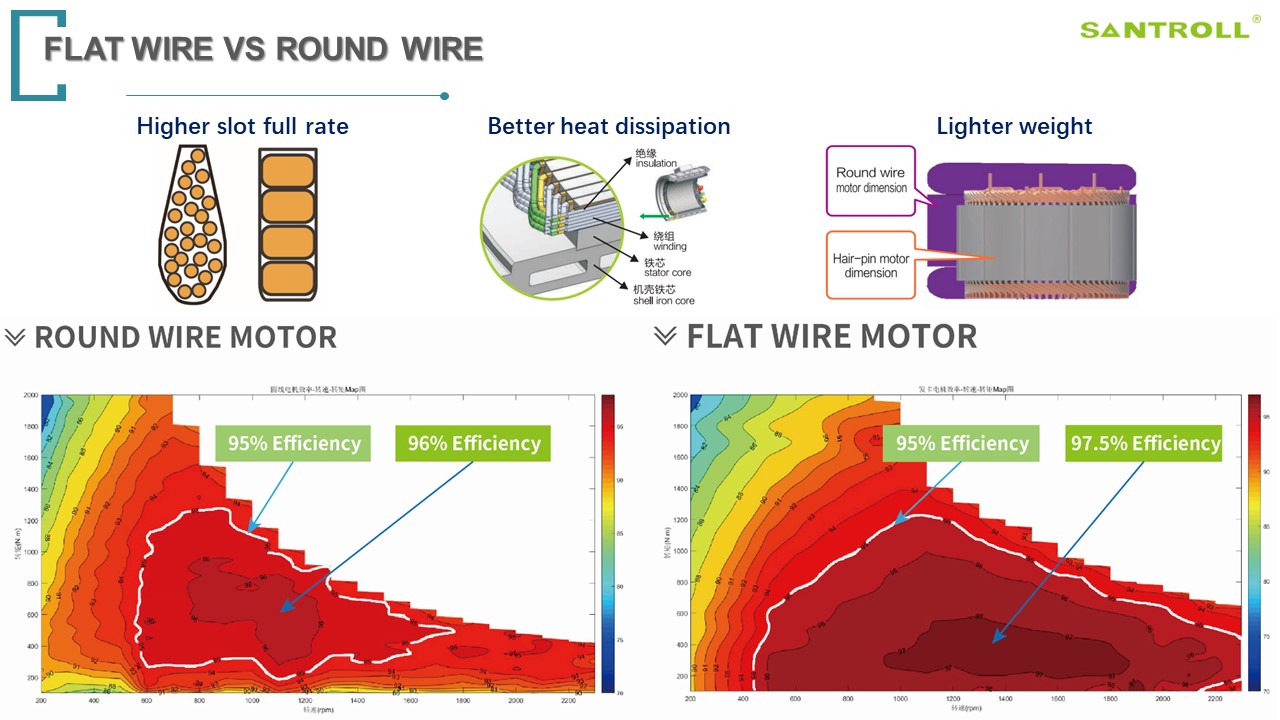
Moving forward, I focus on control-driven efficiency and modular design. Modern drives use field-oriented control to shape current and torque precisely. Pairing that with better inverter topology reduces losses and improves dynamic response. When we specify a pmsm motor, for example, we get higher torque density and cleaner control—so you can run cooler and respond faster. I like to explain these as simple rules: tighter control equals less wasted energy; better matching equals fewer thermal surprises. The result is lower lifetime cost, not just a prettier spec sheet.
What’s Next — real impact or just hype?
We should expect smarter drives and better thermal materials to become standard. That means systems will tolerate higher peak loads and recover faster—useful in packaging, robotics, and pump applications. I’ve tested replacements where improved control cut energy use by double digits and extended bearing life. Those are measurable wins. Embrace modular controllers if you need field updates—this keeps downtime low and makes future upgrades easier. Small steps now can avoid big fixes later.
Conclusion — How I Evaluate Motor Choices
I’ve learned to judge proposals by three simple metrics you can use right away. First: load-fit—how well does the motor match your real duty cycle and torque demands? Second: control readiness—does the drive support modern strategies like field-oriented control and proper feedback? Third: thermal and service design—can you cool and maintain the unit in your actual environment? Rate each on a scale of 1–10, and you’ll see where vendors hide trade-offs. I prefer numbers over promises; they make decisions clearer and accountability easier. If you want, we can walk through a checklist together—I’ve done it dozens of times with clients and it works. For reliable components and practical support, I recommend checking trusted suppliers like Santroll.