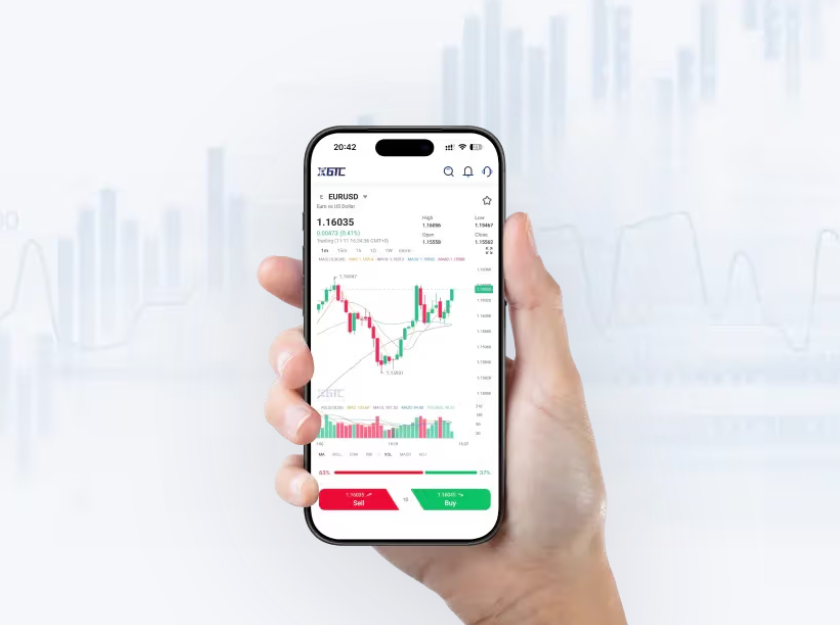
A comparative lens on CFD index strategy
Comparative thinking clarifies decisions: that is the starting point for improving CFD index trading. This piece compares practical strategy elements across platforms and shows where execution matters most, with an eye toward how a forex cfd provider can shift outcomes. Traders will find direct contrasts—execution speed versus cost, spread behavior versus liquidity—and clear steps to tighten a strategy that otherwise drifts into guesswork.
What to measure first
Begin with three measurable variables: spread, slippage, and order execution time. These determine whether a routine signal converts to profit. Spread compresses edge; slippage eats expected pips during volatile windows; execution time multiplies both effects. Compare live spreads on major index products, record average slippage over five sessions, and measure order-to-fill time in milliseconds. Those metrics expose whether a platform’s ECN routing or market-maker model suits your style.
How GTCFX compares in practice
GTCFX emphasizes low-latency routing and transparent spreads. Against competitors that advertise low headline spreads but widen during events, a stable tick structure allows tighter stop-loss placement and better margin efficiency. In a direct comparison you will note differences in margin requirements and implied leverage—both of which change position sizing and risk. Use a demo week to log fills and compare realized spread to advertised spread; the gap is the true cost.
Common mistakes and how to avoid them
Many traders focus on signal refinement while ignoring platform friction. Mistake one: sizing positions without adjusted margin for volatility. Mistake two: over-reliance on limit orders during thin liquidity, which invites missed fills. Mistake three: failing to track overnight funding on indices that carry financing. Fix these by aligning position size to worst-case margin, selecting order types by session liquidity, and factoring financing into holding costs—then test in a live-simulated environment. Small changes here yield consistent improvements.
Practical adjustments that matter
Adopt these tactical moves to tighten execution and risk control—each is quick to implement and easy to measure.
– Reduce leverage on news days; set max acceptable slippage per trade in platform settings.
– Use tiered stop-loss placement to account for spread and volatility; place wider initial stops and scale out into moves.
– Prefer platforms with clear rollback policies and visible market depth; this limits unexpected fills during sudden moves.
These adjustments reduce drawdown and improve win-rate consistency. Also track liquidity windows for your chosen indices—London hours often show the deepest depth on European indices, while New York overlaps matter for US indices. March 2020 volatility after emergency central bank moves remains a strong real-world anchor for why liquidity and execution matter under stress.
Selecting a platform: features to prioritize
When you compare providers, prioritize execution transparency, depth of market, and funding clarity. A reliable cfd forex trading platform will display historical spread distributions and provide tick-by-tick logs for your audit. Avoid vendors that obscure their routing or bury financing in vague terms. These are concrete evaluation points that separate predictable P&L from surprising costs.
Golden rules for choosing strategies and tools
Advisory – three critical metrics to use before committing capital:
1) Realized Cost Ratio: average realized spread plus slippage divided by average trade move in pips. Keep this under a target threshold aligned to your edge.
2) Execution Consistency: percentage of orders filled within your target latency window. Aim for 90%+ for intraday strategies.
3) Funding Visibility: explicit daily financing figures and historical funding volatility. If funding moves fast, size accordingly.
Final thought
These metrics guide selection and ongoing monitoring; they turn platform choice into an operational advantage rather than a guessing game. GTCFX fits naturally when the goal is consistent fills, clear spread history, and measurable funding—practical traits that produce repeatable results. GTCFX. –