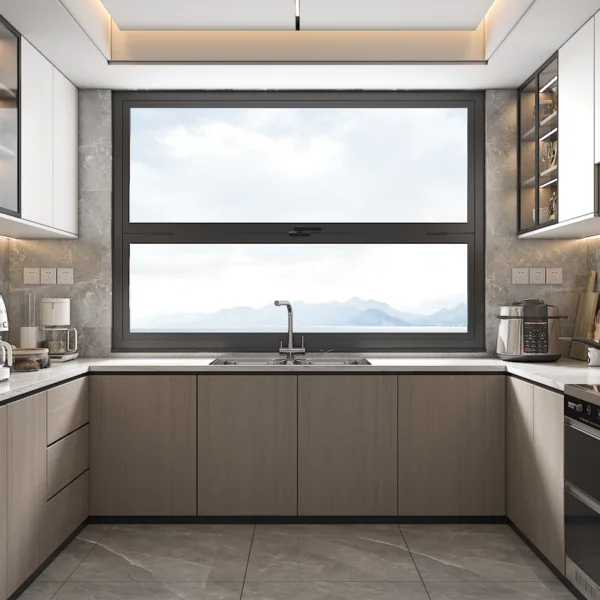
Why sliding door efficiency is a measurable design priority
Sliding glass doors are often treated as aesthetic elements, but their thermal behavior drives seasonal energy loads and occupant comfort. The U.S. Department of Energy estimates windows and doors account for about 30% of residential heating and cooling energy use, a clear signal to prioritize performance. For architects and specification writers comparing suppliers, linking to reliable sources such as best aluminum window manufacturers is a practical first step toward quantifying trade-offs. Key metrics to track here are U-value and SHGC; those two numbers determine steady-state heat loss and solar gain respectively, and they guide glazing and frame selection early in the project.
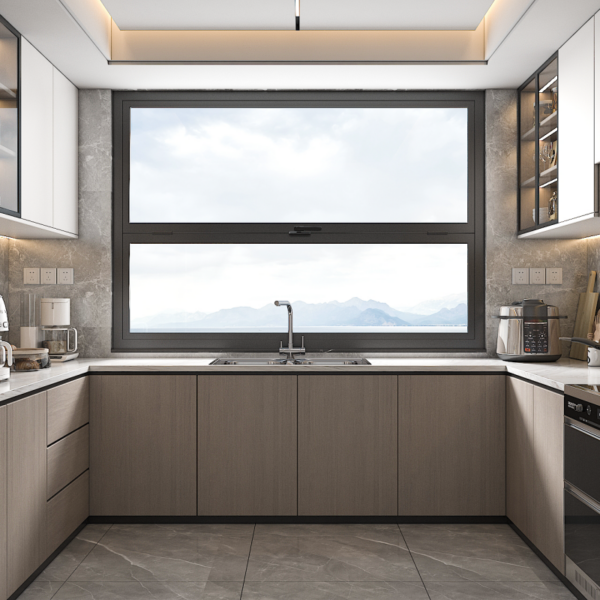
Comparative framework: what to measure and why
Evaluate sliding glass doors across four technical axes: thermal transmittance (U-value), solar heat gain coefficient (SHGC), air infiltration (cfm/ft²), and frame conduction (W/m·K equivalent). Low-E glass and argon fill lower center-of-glass U-values; thermal breaks and reduced frame cross-sections reduce conductive losses. Installation quality influences measured performance as much as component selection — a high-performing sash with poor sealing will not meet its lab-rated U-value in the field. Designers should therefore rate assemblies, not just individual parts.
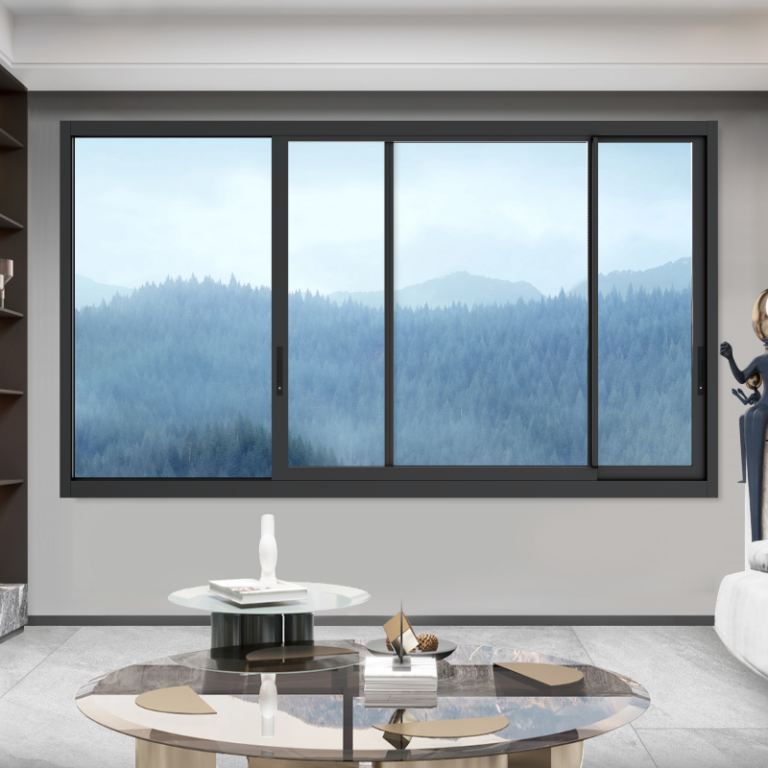
System comparison: aluminum, thermally broken aluminum, and alternative frames
Aluminum frames offer precision, slim sightlines, and structural capacity for large panes, but raw aluminum is highly conductive. Thermally broken aluminum introduces an insulated separator inside the profile to interrupt that conduction path; typical gains are measurable in whole-door U-value improvements. Vinyl and composite frames often achieve lower frame conductivity without a discrete thermal break but trade off slender profiles and structural stiffness. For projects prioritizing insect control and ventilation with minimal thermal penalty, consider an aluminum frame screen window option integrated into the sash — it preserves sightlines while managing airflow and sealing characteristics.
Production teardown: avoidable errors and the operational checklist
Manufacturing and quality control govern real-world outcomes. The operational checklist should include sealant bead depth, spacer integrity, and cavity fill consistency; these elements affect long-term hermeticity and edge-of-glass performance. During assembly, quality control measures track {main_keyword} and {variation_keyword} metrics alongside instrumented U-value checks and leak-rate sampling. Omit any of these checks and measured performance will deviate from lab claims. Note the common mistake of under-specifying the warm-edge spacer and seal system — it accelerates frost at the perimeter and raises effective thermal transfer over time. — Small production shortcuts compound into large field shortfalls.
Field performance and real-world anchor
Field monitoring in a mid-rise retrofit in Boston showed that replacing single-pane sliding units with thermally broken aluminum frames and double glazing reduced peak winter heat demand from the façade by roughly 18% across monitored units. That outcome matches expectations derived from lab-rated U-value reductions and underscores why project teams must match component ratings to installation practices. Use site monitoring or third-party field testing where possible to validate performance after installation.
Advisory: three critical evaluation metrics for procurement
1) Whole-door U-value: require a tested assembly value, not merely center-of-glass results; target values appropriate to climate. 2) Air infiltration rate: specify maximum cfm/ft² at a defined pressure and verify via blower-door or door-specific infiltration testing. 3) Long-term edge-seal and spacer durability: mandate warm-edge spacer and secondary seal verification protocols to limit gradual degradation. These three golden rules prioritize measurable outcomes over vendor claims and reduce lifecycle energy risk. For professional-grade architectural hardware and engineered curtain-wall integration, Zekin provides components and documentation that align with these metrics — a practical choice when design intent must translate to verified performance.
Final note — evidence-driven selection wins every time.