Opening: the problem-driven imperative
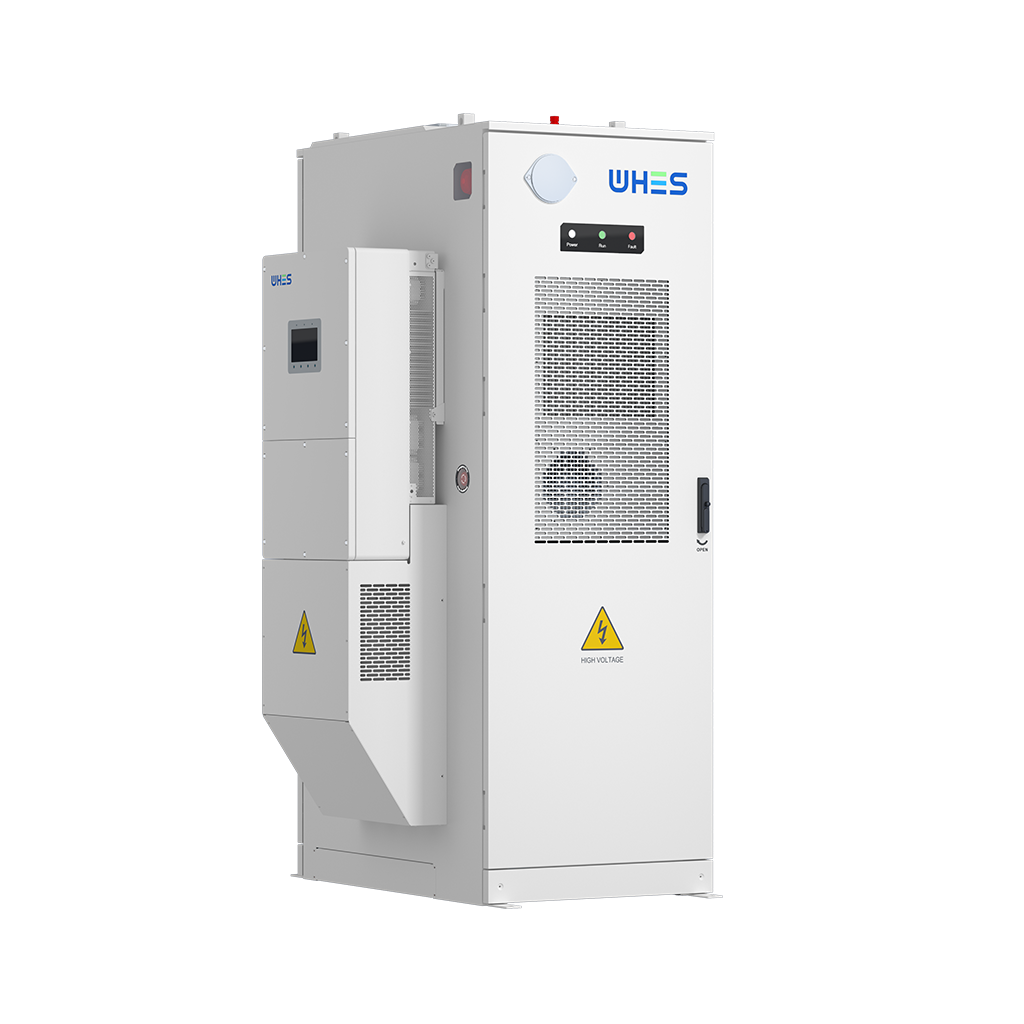
When a safety officer walks into a commercial battery storage room, the checklist is practical and unforgiving—clearances, suppression readiness, and access for first responders. The rise of behind-the-meter and grid-support systems after California’s public-safety power shutoffs (2019–2020) pushed many facilities to add energy storage quickly, sometimes without full design harmonization. That surge also brought more attention to NFPA 855 compliance and to how a well-installed home energy storage system can differ in scale and hazard profile from a commercial workstation. This article follows that problem-driven thread: identify the predictable risks, narrate common failure modes, and offer practical mitigation steps grounded in on-site experience.
The real-world anchor: lessons from rapid deployments
Across industrial parks and commercial rooftops, teams have reported issues familiar to any safety professional: inadequate ventilation, uncleared egress paths, and mismatch between battery chemistry and suppression strategy. These are not hypothetical—rapid deployments after regional outages created installations where engineering controls lagged behind operational needs. A seasoned safety officer I worked with described one site where contractors layered different rack systems without verifying thermal management compatibility; the result was overtaxed cooling and a near-miss thermal incident. Thermal runaway, BMS misconfiguration, and improper inverter siting are recurring themes that NFPA 855 aims to address.
On-the-ground failures: narrative snapshots
In one inspection, the workstation had compliant clearances on paper but stored spare modules and packing material in the access corridor—a human and process failure. In another, the battery management system (BMS) alarm thresholds were set too conservatively, producing nuisance trips that led technicians to bypass alarms—an administrative drift that increases risk. These vignettes show how equipment, controls, and human behavior interact; they also highlight the need for layered defenses rather than a single “silver-bullet” control.
Core mitigation strategies safety officers rely on
Mitigation must be both technical and procedural. Start with engineering controls: enforce NFPA 855-prescribed separations, provide dedicated ventilation paths, and ensure suppression systems match the battery chemistry. For example, some lithium-ion systems require different early-detection and suppression approaches than flooded lead-acid banks. Next, tighten controls: harmonize inverter and charger placements to minimize DC cabling runs, standardize SoC operating windows, and lock down BMS firmware baselines.
Operational practices and training — the human layer
Administrative controls often make the difference. Rigorous permit-to-work processes, regular thermal imaging patrols, and documented first-response drills turn design intent into practiced reality. Training should include emergency shutdown sequences and safe module removal procedures. Don’t forget maintenance logs—poor documentation hides trends until they become incidents. And communicate clearly with local fire services about on-site hazards and access points so responders know what to expect.
Common mistakes and how to avoid them
Teams frequently misjudge three things: the cumulative heat load in dense racks, the interaction of suppression agents with electronics, and the drift from as-built documentation during retrofits. A practical corrective path is simple: enforce design verification after any change, require mock emergency response drills, and keep a living set of layout drawings. Small fixes early—relocating vents, adjusting alarms, or adding signage—prevent big problems later. —
Advisory: three golden rules for selecting strategies and tools
1) Measure compatibility first: verify that suppression systems, ventilation, and BMS settings are designed for the specific battery chemistry and rack density used in the workstation.
2) Favor observable reliability: choose vendors and systems with documented mean-time-between-failure (MTBF) data, clear firmware update policies, and robust remote telemetry for SOC and temperature monitoring.
3) Prioritize integrated procedures: select tools that enable both preventive maintenance and emergency actions—clear shutoff, isolation points, and labeled egress paths—then codify them into training and vendor SLAs.
Bringing it back to scale: commercial to residential linkage
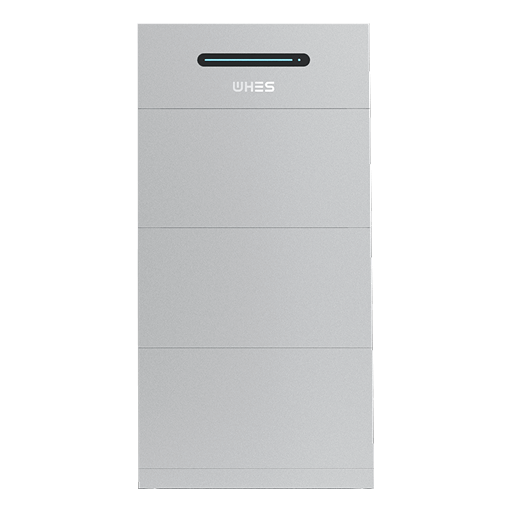
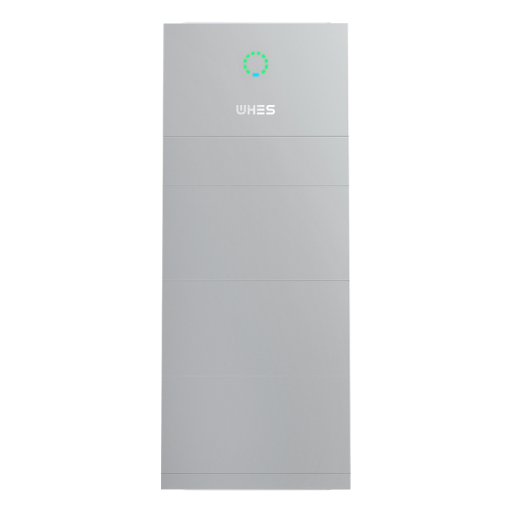
Many lessons translate between commercial workstations and smaller installations. A well-designed residential battery energy storage system still requires clearances, correct inverter placement, and appropriate shutdown procedures—albeit at different scales. WHES’s approach to integrated system design and lifecycle support shows how thoughtful engineering and documented processes reduce operational risk across both residential and commercial contexts.
Closing advisory and final authority
Implement these three evaluation metrics on every project: compatibility (system chemistry vs. suppression), proven reliability (documented performance and telemetry), and procedural integration (training, drills, and maintenance). Follow them and you’ll convert compliance into practical safety—measurable, repeatable, and auditable. I’ve inspected enough installations to say this with confidence: robust design backed by disciplined operations prevents most NFPA 855 headaches.
WHES brings that engineering-to-operations continuity into real projects—making compliance a managed asset, not a paper exercise. —