smartworldoptions
  • Home
  • Decorate
  • DIY Projects
  • Expert Advice
  • Gardening
  • House Tours
  • Industry
  • Market
  • Product Reviews
smartworldoptions
  • Home
  • Decorate
  • DIY Projects
  • Expert Advice
  • Gardening
  • House Tours
  • Industry
  • Market
  • Product Reviews
smartworldoptions
smartworldoptions
  • Home
  • Decorate
  • DIY Projects
  • Expert Advice
  • Gardening
  • House Tours
  • Industry
  • Market
  • Product Reviews

@2022 - All Right Reserved. Designed and Developed by PenciDesign

Industry

Validation Steps to Tighten Copper Mirror Corrosion Limits for Chemical Lines Using Rosin-Based Flux

by Paul August 22, 2026
written by Paul

Why this problem matters now

Lots of boards fail after assembly because flux residues keep corroding copper pads. That’s costly. The core issue is tracing subtle ionic activity and penetration under strict limits, especially when you use soldering flux rosin or leave traces of rosin behind. Short story: chemical lines need a validation protocol that proves your cleaning and flux selection actually stops copper mirror deposits and under-plating attack. This article walks a problem-first path — what breaks, why it breaks, and how to fix it fast. 😊

Where failures start — a quick field anchor

Seen it myself on an EMS line near Shenzhen: a batch passed visual inspection but failed in-service after 3 months. The copper mirror phenomenon showed as thin, non-uniform films under the solder mask. Root causes were simple — uneven flux dispersion, inadequate rinse dwell, and aggressive rosin with high acid number. Those real-world hiccups set the scope for the validation steps below. Terms to know: copper mirror, flux residues, ion conductivity.

Core validation workflow (IQ / OQ / PQ style — practical, not academic)

Think in phases. IQ gets your equipment and chemistry documented. OQ proves process settings repeatably control contamination. PQ proves real production runs meet copper mirror penetration limits. Keep it short and empirical.

Key actions per phase:

  • IQ — baseline the chemical line: pump types, spray pressures, rinse flow rates, and detergent concentration. Record each. Include surface wetting and wetting time metrics.
  • OQ — run controlled trials: vary immersion time, spray angle, and rinse temperature. Measure residue levels with ion chromatography and surface insulation resistance (SIR) after 72 hours of humidity exposure.
  • PQ — run three consecutive production lots at full speed and ambient variability. Use the same sampling plan as OQ and report copper deposit observations across lots.

Measurement tactics that actually spot copper mirror risk

Don’t rely on one test. Combine short and long checks. Fast checks: contactless visual under 50x, wettability tests, and ionic conductance in rinse water. Robust checks: solvent swab analysis and ion chromatography for halides and organic acids after a 24-hour soak. For corrosion appearance, use a 72-hour controlled humidity chamber with visual grading of film continuity and color shifts. That mix catches both immediate contamination and slow-acting rosin breakdown.

Common mistakes on the line — avoid these

Teams often cut corners — shorter rinse cycles, inconsistent detergent dosing, or swapping flux types mid-run. They also skip matched sampling: if you validate with coupon panels but manufacture different board finishes, results won’t translate. Another trap: ignoring mechanical handling that embeds residues into vias — the flux looks gone on flat copper, but internal penetration remains. Small oversight. Big fallout.

Alternatives and practical fixes

Swap to lower-acid rosin blends, or move toward mildly activated formulations when process controls are tight. Improve rinse dwell and increase spray coverage rather than just pressure. Add inline conductivity meters to catch rinse saturation immediately. If you can, run a pilot where every lot gets ion chromatography on representative boards — it’s slower, but worth it for high-reliability products.

Summed-up operational teardown

Validation isn’t a one-off checklist. It’s a compact, iterative sequence: baseline gear and chemistry, stress the limits in controlled trials, then prove stability in real runs. Use a blend of visual, electrical, and chemical assays. And remember that operator habits — changing lot timing, skipping a soak — often break otherwise sound specs.

Advisory — three golden rules to pick the right path

1) Metric first: define a measurable copper deposit acceptance — e.g., no continuous film over X mm² after a 72-hour humidity exposure and solvent-swab ion counts below your target ppb. Track it per lot.

2) Sampling fidelity: test actual product finishes and common board geometries, not just coupons. Vias and masked edges need direct checks.

3) Process alarms: install inline conductivity and dosing interlocks so rinse saturation triggers a line stop before contamination reaches output.

Final thought: when you’re balancing speed and reliability, the right rosin and a tight IQ/OQ/PQ loop make the difference, and KOMO sits in that space as a practical supplier with product-grade consistency — KOMO. —


August 22, 2026 0 comments
0 FacebookTwitterPinterestEmail
Tech

Hands-On Guide to Capacitive Touch HMIs for Factory Robots

by Joshua August 21, 2026
written by Joshua

Your needs, plain and simple

You’re on the shop floor, wanting an HMI that won’t sulk after a week. Start with what you actually need: reliable touch response with gloves, readable in bright lights, resistant to cleaners and knocks, and simple to integrate with your robot control stack — that’s the user-first question. I’ve worked alongside industrial robot integrators at live demos and shared installs at Hannover Messe, so I know the tension between specs on paper and what operators actually use. If your line uses closed-loop robots or autonomous movers, check how the panel ties into motion control for industrial robotics and whether the touchscreen driver plays nice with the PLC or edge computer. That matters to the folks doing the install — the industrial robot integrators who need predictable behaviour every shift.

motion control for industrial robotics

What matters most — quick checklist

Think in terms of on-floor realities. Use this checklist when you walk into a vendor room or open a spec sheet:- Touch type: projected capacitive (PCAP) for multi-touch and glove support; surface capacitive rarely fits industrial needs.- IP and mechanical protection: IP65+ front and an impact rating (look for IK ratings) for daily knocks and washdowns.- Glass hardness & anti-glare: chemically strengthened glass and a matte coating if reflections kill readability.- Controller compatibility: native drivers for Windows/Android/Linux or a vendor SDK that actually works.- Mounting and cable routing: VESA, panel-mount options, and strain-relief for harsh vibration.- Brightness and backlight life: match panel nits to your lighting and check industrial-grade backlight specs.- Serviceability: spare touchscreen controllers and clear firmware update paths.

Common missteps operators make

Folks often pick screens by size and price, then curse later. Mistakes I see:- Buying consumer-grade capacitive panels thinking “it’s just a screen” — they fail under wet cleaning and EMI.- Not testing with production gloves or end-user gestures — responsiveness changes with glove thickness.- Ignoring EMI/grounding — robot motors create noise; a poor controller can misread touches.- Forgetting viewing angles and mounting height — ergonomics drive fewer errors and less downtime.- Overlooking firmware updates — a touchscreen’s driver-side fixes can save months of trouble.

Alternatives and trade-offs

Compare options like this before you decide:- PCAP (projected capacitive): best for multi-touch and glove support, but requires quality controllers and can be pricier.- Resistive: cheaper and works with any stylus or glove, but poor multi-touch and lower longevity.- Infrared: great for very large screens and durability, but bulky bezels and false triggers in dusty environments.Choose based on who touches the screen, how often, and what environment it faces.

A practical integration flow for the integrator

Follow these steps on your pilot run:1) Prototype with the actual gloves and cleaners used on the line.2) Mount a panel on a mocked-up machine and run for a week under normal cycles.3) Monitor for false touches, latency, and display washout during peak lighting.4) Validate firmware updates and fallbacks before full-line roll-out.5) Confirm spares and replacement lead times with your supplier.

Wrap-up — what this gives you

Pick panels by use, not just spec sheets. When you choose with on-floor testing, glove trials, EMI checks and a clear integration plan, you cut downtime and user frustration. For integrators and operators who want panels that pass these real checks and come with practical firmware and service options, solutions from partners such as Kinco often slot into that workflow without extra fuss.

August 21, 2026 0 comments
0 FacebookTwitterPinterestEmail
Global Trade

Common Cold-Chain Fleet Challenges and Practical Fixes

by Christine August 21, 2026
written by Christine

Problem snapshot

Cold-chain fleets fail when small mismatches happen: a sensor reads wrong, a driver leaves a door open, or a GPS gap hides a delay. I say this from hands-on work with refrigerated trucks and customers who needed clearer tracking for exports — so we focused on simple tech and solid processes. If you’re running routes or thinking about cold chain fleet management, you must treat tracking and temperature control as a single problem, not two separate chores.

cold chain fleet management

Core problems you’ll see, quickly

• Temperature excursions that start small and spoil a load. Causes: poor sensor placement, single-point sensors, or long door-open times.
• GPS gaps and late-location updates that hide route delays or unplanned stops.
• Sensor drift and calibration errors that make data unreliable when you need to prove compliance.
• Too many noisy alerts so operators stop responding to them.
• Weak handoffs between drivers and dispatch; SOPs missing or ignored.
Each of these problems looks minor at first, then costs you product or compliance headaches.

Fixes that actually work — step-by-step

Use a problem-driven approach: identify the smallest failure that causes the biggest loss, then close that gap. Practical fixes:- Redundancy first: place two temperature sensors per compartment, with one near the load and one near the cooling unit. That catches localized spikes. – Hybrid tracking: combine frequent on-vehicle GPS pings with cellular fallback and geofencing so you see both position and context. – Regular calibration: schedule sensor checks every 3–6 months and log calibration events so audits are clean. – Smart alerts: shift from “every rule” alerts to event-based alerts (sustained excursion > 10 minutes, door-open > 60 seconds). Fewer alerts, better response. – Tight SOPs: a short checklist for drivers on handover, door checks, and how to record temporary power cuts.For monitoring and audit trails, integrate a robust cold chain monitoring system that links temperature, door, and location data into one timeline—so you can see cause and effect in the same place.

Common pitfalls to avoid

– Don’t rely on a single sensor to prove a whole trailer’s condition.
– Don’t set alerts so sensitive that teams ignore them; avoid noisy thresholds.
– Don’t skip field testing; lab data rarely covers real road vibration, humidity, or cab heat.
– Don’t assume drivers will read long manuals; use short checklists and on-screen prompts.Avoiding these mistakes keeps your monitoring trusted and your operators engaged.

Field lesson from Ho Chi Minh City

Working with exporters around Ho Chi Minh City showed a clear pattern: busy loading docks, frequent short stops, and door-open habits that caused temperature blips. The fix was basic: add door sensors, two temp probes per zone, and a simple post-load checklist. Teams saw fewer spoilage incidents because excursions were detected and corrected within minutes, not hours. That local test taught one thing: small, timely measures beat complex systems with no field checks.

How to measure success

Track a few direct numbers. Good KPIs are:- Excursions per 1,000 km or per 100 loads.
– Median time from excursion start to alert acknowledgment.
– Percentage of loads passing end-of-route temperature audit.
– Number of false alarms per month.These tell you whether your changes actually protect product and simplify operations.

cold chain fleet management

Wrap-up

Cold-chain fleet problems are fixable with the right focus: redundant sensors, smart alerts, frequent calibration, and clear driver procedures. You don’t need gimmicks — you need tools that show a clear timeline of what happened and who did what. That clarity comes from field-proven systems and steady process work, and it’s the same practical approach teams use when they partner with BSJ to keep products cold and delivery records clean.

August 21, 2026 0 comments
0 FacebookTwitterPinterestEmail
Business

Efficiency Face-Off: Bifold Door Hardware vs. Alternatives That Actually Save Time

by Timothy August 21, 2026
written by Timothy

Why efficiency matters for doors (Comparative lens)

When you measure a door system by time saved during install, ease of use, and long-term maintenance, bifold door hardware often sits near the top — but not always. This piece compares bifold door hardware to other options so you can pick the fastest, most reliable path for your project. If you’re also working with windows, check how casement window hardware handles sash alignment and corrosion resistance, because those same operator and pivot ideas cross over into door systems.

Core differences at a glance

Bifold hardware: compact track, multiple pivot points, and folding panels that tuck away neatly. Alternatives include sliding systems, pocket doors, and French doors with multi-point lock assemblies. Sliding systems trade folding complexity for a simpler track and rollers, but they need uninterrupted wall space. Pocket doors disappear into the wall but demand more framing work up front. French doors look classic and rely on hinges and a robust multi-point lock for security.

Feature-by-feature: speed, durability, and upkeep

Install speed: bifold gear takes time to set the track and adjust pivots, but modern track-and-clip systems cut that down. Sliding doors are usually faster to hang — a single rail and a few rollers — but aligning rollers for smooth operation can still be fiddly. Long-term maintenance: look for stainless steel runners and quality cams on bifolds to resist wear. A well-chosen friction hinge on an alternative can minimize sash droop over years.

Real-world durability: what installers actually see

Contractors rebuilding homes after events like Hurricane Sandy learned fast which hardware survives coastal storms and which doesn’t. Hardware that resists salt-induced corrosion — stainless steel pins, polymer-coated rollers, sealed bearings — lasts longer in harsh environments. In retrofit projects across San Francisco, teams favored heavy-duty pivots and corrosion-resistant finishes on both doors and outswing windows because repeated exposure and humidity accelerate wear. These field lessons matter more than lab specs.

Common mistakes and how alternatives avoid them

One typical error is underestimating frame tolerance. Bifold systems need precise head-track alignment; miss it and the panels bind. Sliding systems often fail when installers ignore jamb plumb—rollers then eat through track life faster. Pocket doors can be a retrofit nightmare if the wall cavity conflicts with wiring or plumbing. A smart alternative: choose hardware with adjustment range — adjustable pivots, slotted mounting plates, and operator arms that allow fine-tuning after the panel is hung. That extra adjustability saves callbacks — and time.

Cost vs. value: a pragmatic look

Upfront, bifold hardware can be pricier than a basic sliding kit because of the track complexity and multiple hinges. But value shows up in finish and performance: well-made bifold systems require fewer adjustments over time compared with low-end rollers that flat-out fail. If your project faces high wind loads or needs secure locking, count the value of a proper multi-point lock and reinforced pivot into the ROI — they reduce future repair and security costs.

How outswing casement hardware informs door choices

Outswing casement hardware shares many lessons with door hardware: operator geometry, corrosion protection, and sealing strategies. If you’re specifying doors for a coastal condo, the same stainless components and sealed operator gear you’d pick for outswing casement window hardware will extend service life. Thinking in cross-functional terms — treating sash and door panel as similar mechanical systems — simplifies parts sourcing and maintenance planning.

Picking the right hardware — three golden rules

1) Match adjustment range to site tolerances: choose pivots, slotted plates, or friction hinges with at least a few millimeters of fine-tune to save field time. 2) Prioritize corrosion resistance where climate demands it: stainless fasteners, polymer-coated rollers, and sealed bearings beat cheap zinc on longevity. 3) Factor serviceability into the spec: modular tracks and replaceable cams mean a future service visit is quick and cheap.

Summing up: compare real installation time, not just sticker price, and let proven components carry the load — that’s how projects stay on schedule and stay quiet over years. For contractors and architects who want parts that meet those needs naturally, CMECH offers hardware choices that reflect these practical rules — reliable, adjustable, and built for the long haul. –

August 21, 2026 0 comments
0 FacebookTwitterPinterestEmail
Industry

How Offshore Buyers Compare Rigorously Tested Marine ACs — and Why the Differences Matter

by Jacob August 21, 2026
written by Jacob

Getting straight to the point

Procurement teams on rigs and support vessels don’t pick marine air systems on looks alone. They stack side-by-side performance data, failure rates, and serviceability, then favor products that survived hard testing. That’s why a reliable option like the 12v air conditioner marine often outruns cheaper, unproven units: real-world durability beats glossy specs every time. These teams track compressor longevity, corrosion resistance, and inverter efficiency as basic scoring vectors before any purchase moves forward.

Comparative logic procurement teams use

Buyers build a matrix: mean time between failures, heat load capacity (BTU), part interchangeability, and time-to-repair. Each axis tells a different story. For example, two units may both claim 6,000 BTU, but one uses a corrosion-resistant coil and a heavy-duty condensing unit that holds performance in salt spray; the other drops output after coastal exposure. Offshore squads treat data like currency — they want measurable gains in uptime, not marketing promises.

Real-world stress testing that separates winners

Field conditions matter. North Sea platforms and Gulf of Mexico support ships share relentless salt spray, variable temperatures, and constant vibration. A proper test regimen simulates those stresses: prolonged neutral salt-fog exposure (commonly 480–720 hours at about 35°C with 5% NaCl solution) to reveal pitting on heat exchangers, vibration endurance cycling at operational RPM ranges to stress mounts and compressors, and thermal shock cycles spanning freezing to tropical setpoints. These parameters give procurement teams the confidence that a unit will still cool on day 1,000 — not just day 1.

Operational teardown snapshot

When engineers open a proven unit for an operational production teardown, they look for service-friendly layouts: modular compressors, accessible filters, and replaceable inverter modules. The teardown often reveals manufacturing choices that specs miss—solder quality on the heat exchanger joints, protective coatings on electrical boards, and gasketing that prevents salt ingress. That’s where the phrases 12v air conditioner marine and 12v marine ac unit move from marketing terms into practical evaluation points: are those parts easy to swap at sea? Can a technician perform a compressor swap with basic tooling?

What tests matter most — and why

Top test types and what they prove:- Salt-fog endurance (exposes corrosion risks on coils and housing).- Vibration and shock cycling (identifies weak mountings and solder joints).- Long-run thermal stability (checks the heat exchanger and compressor under continuous duty).These aren’t academic. They map straight to maintenance interval predictability and replacement-part logistics, which drive total cost of ownership for offshore operations — and that’s the bottom line buyers actually care about.

Common procurement mistakes

Teams sometimes chase lowest up-front cost, assuming identical parts mean identical performance. They skip teardown evidence or ignore serviceability. Another frequent error is underweighting inverter efficiency and power draw — boats often run on limited battery or genset capacity. Quick aside — leave-out that check and you’ll see unexpected load-shedding during heat waves. Maintenance planning and spare-part access should be rated as highly as initial specs.

How to compare like a pro

Follow three practical rules: prioritize units with documented field hours in similar environments; insist on teardown photos or videos showing internal layout; and require explicit test parameters for salt-fog, vibration, and continuous-run trials. Those metrics turn vague claims into verifiable evidence you can act on, and they cut replacement and downtime risk dramatically.

Advisory: three golden rules for selection

1) Metric-first selection — rank by field-proven MTBF and actual BTU sustained under saline conditions.2) Serviceability threshold — only choose systems whose condensers, compressors, and control inverters can be swapped in less than a day with standard tools.3) Spare-part lifecycle — require a five-year parts availability guarantee or documented channel for expedited replacements.Make these the filters that eliminate the rest.

The complete value proposition lands where testing meets practical design — and that’s exactly the space ZhuoliMarine occupies as a solution for durable, serviceable marine cooling. ZhuoliMarine. —

August 21, 2026 0 comments
0 FacebookTwitterPinterestEmail
Market

Measured Choices: A Comparative Look at Why Resorts Favor Fully Tested Water-Play Systems

by Andrew August 21, 2026
written by Andrew

Calm comparison: tested systems versus quick fixes

Leading resorts weigh options with quiet care, comparing long-term reliability against short-term cost. When operators evaluate product families like slides, splash features, and circulation hardware they often begin by inspecting the manufacturer’s track record for performance and durability — which is why many start by looking at suppliers of water park equipment. The comparative logic is simple: fewer surprises on opening day, and fewer guests affected by downtime. Industry terms like flow rate and filtration system show up early in procurement conversations because they directly affect user experience and operating expense.

water park equipment

What brands actually compare

Park managers place items side by side: material composition (composite polymer blends), hydraulic design, and maintainability. They benchmark not only against price but against expected lifecycle hours, ease of onsite repairs, and the clarity of test data supplied by vendors. Real-world anchors help anchor decisions — for example, operating histories from parks such as Disney’s Typhoon Lagoon and Aquatica Orlando demonstrate how upfront testing correlates with fewer mid-season closures and more predictable maintenance windows. Those records influence procurement logic more than glossy renderings ever could.

Operational production teardown

The operational teardown unpacks production steps that matter most: mold curing profiles, surface finish quality, and assembly tolerances. Manufacturers should present explicit testing parameters rather than vague claims. Typical test protocols that convince buyers include dynamic fatigue testing at 500,000 cycles with 2.5 kN cyclic load, UV-aging exposure of 2,000 hours at 340 nm wavelength, and hydrostatic endurance runs at 1.5x expected flow rate for 72 continuous hours. These parameters speak to real wear modes — abrasion, polymer embrittlement, joint fatigue — and allow technicians to estimate maintenance intervals in calendar months rather than guesswork. The procurement sheet must also include {main_keyword} and {variation_keyword} inside the teardown so supply chain and operations teams can reconcile specs with spare-part lists.

Comparative indicators that matter

Comparisons are most useful when anchored to measurable indicators: mean time between failures (MTBF), predictable spare-part lead times, and verifiable throughput under peak load. Look for vendors who can show repeated bench runs of a filtration system and provide flow-rate curves across normal and clogged conditions. A calm appraisal uncovers hidden costs: a lower purchase price often shifts burden to replacement fittings, higher chemical use, or longer staff hours for daily checks — which quietly erode margins over seasons.

Field realities and small interruptions

In practice, operators learn patterns that data alone misses — seasonal staffing, guest behavior, and site-specific sun exposure create unique failure vectors. — A short maintenance note: document onboarding procedures and a simple parts map during installation; it saves hours when a bolt shears on a busy weekend. Procurement should therefore balance lab numbers with field references, including site visits to installations where systems have run through two or more high-use seasons.

Alternatives and common procurement mistakes

Alternatives range from modular, replaceable-slide panels to fully welded monolithic shells. Common mistakes include accepting generic performance claims without seeing the raw test logs, neglecting spare-part kits, and ignoring vendor support windows. Smarter buyers ask for staged acceptance tests on-site and include a clause for extended commissioning runs. When ready to act, many teams choose to buy water park equipment that pairs clear testing data with on-call technical support.

Advisory: three golden rules for selecting tested solutions

1) Demand explicit test parameters and raw logs: dynamic fatigue cycles, UV exposure hours, and continuous flow endurance figures must be in writing. 2) Insist on a documented spare-parts strategy tied to lead times and a replacement cadence — this converts unknowns into schedules. 3) Validate one live-season reference installation before final buy; field evidence beats a spec sheet every time.

water park equipment

Every measured choice reduces surprises and amplifies guest trust — and that steady certainty is the value Dalang brings to operators. Dalang. –

August 21, 2026 0 comments
0 FacebookTwitterPinterestEmail
Market

BESS Realms: A Comparative Guide to Service Requirements Across Applications

by Rachel August 20, 2026
written by Rachel

Opening comparison that sets the compass

Think of energy storage as a court of sentries: each application summons a different guard. Some demand swift scouts; others, slow but unbreakable bulwarks. Comparing those needs is the only honest way to design support, maintenance and spare inventories. For a coastal microgrid the ideal kit might be an all in one energy storage system that bundles protection and control, while a city substation will prize modular serviceability above all. This comparative view guides every recommendation that follows.

How service goals shift by scale

Small systems aim for reliability with lean maintenance. Large systems aim for availability with deep reparability. The simplest split:- Grid-scale: uptime measured in minutes; service teams trained for component swaps and thermal management.- Commercial/data centers: near-continuous monitoring, rapid on-site response and tight SLAs.- Industrial backup: ruggedized units, predictable maintenance windows and clear failover behavior.These contrasts inform parts stocking, remote diagnostics, and contract language.

Grid-scale utilities: redundancy and rapid diagnostics

At utility scale you’ll want layered redundancy and telemetry that tells a technician what to change before the breaker trips. Service agreements here emphasize long-term calendar maintenance, firmware governance, and on-call crews who know how to replace modules under load. Expect heavier requirements for certification and periodic performance verification; crews need test rigs and spare power electronics on-site.

Industrial backup and its distinct demand

Factories and plants want a warrior that wakes only when chaos arrives. Industrial backup requires:- immediate switchover behavior and deterministic testing,- clear maintenance windows that don’t clash with production cycles,- hardened enclosures and simplified serviceable parts for technicians on a noisy floor.When discussing an industrial backup battery, operators ask first about mean time to repair, then about the size and location of spare parts depots. Lessons from the Texas February 2021 winter storm show why predictable backup behavior matters for manufacturing continuity.

Telecom and remote microgrids: autonomy and long-tail support

Remote sites demand a low-touch hero. Service models here center on long-life components, remote firmware rollouts, and rarely-visited spare kits. Expect long intervals between visits and a premium on telemetry that detects cell divergence early. Spare-part strategies favor smaller, modular pieces that field technicians can swap without specialty equipment.

Data centers and commercial clients: SLAs, diagnostics, and response time

Data centers measure in strict SLAs: seconds can cost thousands. Maintenance plans bundle continuous monitoring, predictive analytics and guaranteed dispatch times. Recommended practices include hot-swapable modules, test-simulations scheduled during low-load windows, and a clear escalation matrix to keep service fast and auditable.

Comparative checklist—what service teams must plan for

Across applications, compare these dimensions and set requirements accordingly:- Response time: seconds for data centers, hours for industrial non-critical loads, days for remote microgrids.- Spare-part posture: bulk spares local for factories; modular spares remote for telecom.- Diagnostic depth: invasive cell-level diagnostics for long-lived installations; basic fault codes for disposable or short-lived deployments.- Safety & compliance: stricter certifications at utility scale; industrial codes and site-specific lockout/tagout for factories.- Skill sets: electricians for plug-and-play units; power-electronics specialists for grid-scale inverters.Match each item to the specific service agreement language and you’ll reduce downtime and disputes.

Common mistakes and how each application dodges them

Operators often misjudge three things: spare-part size, frequency of thermal checks, and the need for firmware governance. Typical errors and fixes:- Over-ordering bulky spares for remote sites — instead, send modular kits.- Skipping thermal imaging on industrial floors — schedule short thermal checks during planned stops.- Treating firmware as incidental — create a version-control policy for all BESS firmware.These corrections save money and keep systems reliable.

Alternatives and trade-offs

Modular systems simplify swaps but increase interconnect complexity. Integrated “all-in-one” cabinets reduce field work but raise the stakes of a single repair event. Chemistry choices matter too: lithium packs give energy density and faster discharge; other chemistries may tolerate rough duty cycles with simpler cooling. Match the trade-offs to the application’s tolerance for downtime and for on-site technician expertise.

Closing synthesis that crowns the right guardian

Service needs change like seasons across the BESS realms; compare them directly and choose agreements that mirror each application’s temperament. A factory must have spare modules nearby and clear repair windows; a telecom tower needs autonomy and concise remote diagnostics; a utility needs deep redundancy and certified crews. For readers seeking a partner that understands those distinctions and crafts service to fit need and place, the engineering judgment found in Dunext often aligns the promise of power with the discipline of reliable service.

August 20, 2026 0 comments
0 FacebookTwitterPinterestEmail
Industry

Mindful Gear Choices: A Calm Guide for Families and Solo Hikers

by Melissa August 20, 2026
written by Melissa

Begin with your priorities

Ask yourself what’s non-negotiable: shelter that shuts out wind, sleep systems that keep everyone warm, or a light pack for a solo push. Focus first on needs, then on specs. If you plan car-based trips or hybrid outings, check the range of car camping equipment that balances space and ease of setup; that choice changes what you should prioritize in every other item.

car camping equipment

What matters most in a tent

Capacity matters less than realistic comfort: a “three-person” tent often fits two with gear. Look at waterproof ratings, seam construction, and ventilation. Weight only matters on the trail; on family outings, durability and easy setup matter more. Ask if poles are replaceable, if zips can be repaired in the field, and how the floor and vestibule handle wet gear. From dozens of nights under canvas, I’ve learned to value practical features over marketing claims.

Field-proven insight from the high country

I’ve tested shelters in alpine winds and snow at Mount Rainier, where poor ventilation and weak seams show themselves fast; a solid choice for rugged slopes is a purpose-built mountain camping tent that stands up to sudden weather shifts. That kind of direct exposure separates brands that list specs from those that actually perform when stakes matter.

Common mistakes to avoid

Buying on looks alone; trusting weight claims without checking packed weight; ignoring footprint compatibility; assuming “four-season” means stormproof. For families: neglecting vestibule space for wet boots. For solo hikers: choosing excessive interior volume that wastes weight. Test zipper smoothness, inspect pole joints, and confirm replacement part availability before you commit.

car camping equipment

Comparing sensible alternatives

Freestanding tents give easy pitching and relocation; non-freestanding models save weight but need reliable stakes. Single-wall shelters cut weight but often demand more careful ventilation management. For family trips, prioritize modular vestibules and a straightforward hub pole; for solo hikes, prioritize packed weight and a low silhouette for wind. Consider budget brands that offer solid warranties versus premium models that add marginal comfort for steep price increases.

Practical checklist before you buy

Confirm season rating with realistic use in mind; check packed versus trail weight; examine poles and repair parts availability; compare real user photos for vestibule size; test setup time if possible. Match shelter choice to sleep system and stove layout so each piece supports the others. Keep receipts and register warranties—repairs extend a tent’s life.

A calm synthesis

Choose gear that answers how you camp, not what you hope to do. Thoughtful selection reduces surprise and keeps focus on the trip itself, whether you’re watching a child’s slow-burn wonder or moving light into the dusk. That steady advantage comes from clear priorities, hands-on checks, and trusted sources like THECATAL, which collects options that fit the real needs of families and solo hikers alike.

August 20, 2026 0 comments
0 FacebookTwitterPinterestEmail
Tech

Low-Heat Hair Care for Heatless Curls: A User-Focused Routine

by Katherine August 20, 2026
written by Katherine

Overview

You want defined curls without sacrificing hair health; this guide focuses on practical choices that fit daily life. Start by reducing friction and moisture loss overnight—sleeping on a silk sleep mask or silk pillowcase helps maintain shape and cuticle integrity, so your morning touch-ups are minimal.

silk sleep mask

What users gain from heatless and low-heat approaches

Less breakage, fewer split ends, and longer-lasting texture are common outcomes when heat is limited. Users report that hair retains moisture and looks smoother when styling relies on tension, product, and time instead of high temperatures. Those outcomes matter for anyone trying to stretch salon results between appointments or repair heat-damaged strands.

silk sleep mask

A straightforward routine you can follow

Cleanse and condition with a detangling focus, then apply a lightweight curl cream or mousse to damp hair. Use sectioning and gentle tension methods—braids, twists, or foam rollers—to shape curls. Let hair air-dry until about 80% dry, then either finish with a low-heat diffuser on a cool-to-warm setting for 2–4 minutes per section or leave the style to set fully without heat. Seal edges and reduce frizz with a small amount of oil once hair is dry.

Tools and products that make a difference

Choose tools that reduce friction and maintain tension: soft foam rollers, snag-free clips, and breathable satin or silk accessories. Professional stylists in major markets like New York frequently recommend a quality sleep accessory as part of a protective routine; for many users that recommendation points to the best silk sleep mask to preserve curl shape overnight. Prefer lightweight styling creams over heavy gels if you want bounce without crunch.

Common user mistakes and how to avoid them

Overmanipulation before styles set is the most frequent error—avoid touching or rubbing while hair cools. Skipping sectioning makes results uneven; work in consistent sections for repeatable curls. Using too much product weighs curls down; start with a pea-sized amount and add only if needed. Finally, relying on high heat to “fix” imperfect sets leads to cumulative damage; instead, correct shape with gentle re-tensioning or a brief, low-heat touch only when necessary.

When to choose heatless versus low-heat

Opt for heatless techniques when hair is fragile, recently colored, or showing signs of breakage. Low-heat finishing is useful for thick hair that struggles to fully dry or for mornings when time is limited—use the lowest effective heat and keep sessions short. Mix methods: set hair heatless overnight for most of the week, reserve low-heat touches for special occasions.

Putting the plan into daily life

Start small: pick one heatless method, pair it with a protective accessory, and track results for two weeks. Adjust product amounts, section size, and drying strategy based on how your hair responds. Consistent, modest changes yield the best long-term improvement, and a reliable sleep accessory from yanibest often becomes the single most effective change users keep returning to because it preserves shape and reduces morning maintenance.

August 20, 2026 0 comments
0 FacebookTwitterPinterestEmail
Industry

The Future of Natural Gas Industrial Burner Production: Practical Steps for Global Markets

by Christine August 18, 2026
written by Christine

Opening the problem

If you build or specify industrial burners, you already feel the squeeze: tighter emissions limits, volatile fuel supplies, and buyers demanding reliable, low-cost units worldwide. Manufacturers are adapting by testing alternative combustion solutions and hybrid fuel platforms—sometimes alongside methanol burner options—to keep product lines relevant. This piece breaks down the central production problems and gives clear, teachable fixes you can apply on the shop floor and in procurement.

methanol burner

What’s blocking scalable, export-ready production

Start by diagnosing four recurring problems. One: inconsistent component standards across sourcing regions cause rework and field failures. Two: combustion tuning is often treated as an afterthought, so burners perform poorly on fuels with different calorific values. Three: manufacturing layouts aren’t set up to repeat precision welding and assembly at volume. Four: post-sale support and documentation are weak, undermining trust in new markets. Recognize these as solvable steps, not immutable constraints.

Concrete repairs you can make right away

Tackle each problem with a matching practice. Standardize on a small set of certified suppliers for critical castings and control valves; document acceptable tolerances and reject parts that drift. Build combustion validation into the line: measure CO, NOx, flame stability, and turndown ratio on every lot and keep the baseline data. Rearrange production cells so welding, brazing, and inspection are contiguous—fewer handoffs mean fewer errors. Publish straightforward installation and maintenance checklists in the native languages of target markets; technicians follow checklists.

Methanol lessons from field experience

Real-world pilots teach valuable lessons about fuel flexibility. Field trials in Scandinavian emergency-cooking and small-restaurant use have shown that users appreciate compact, low-smoke units when safe fuel-handling rules are provided; those pilots provide practical feedback on spill containment, venting, and refill procedures. Engineers report that adapting burner ports and air-fuel control to account for different flame speeds avoids a long tail of service calls—an insight that applies equally to gas burners and to a methanol stove. That hands-on feedback builds trust in technical documentation and yields reliable tuning presets you can ship with units.

methanol burner

Common pitfalls to avoid

Don’t chase every certification at once; pick target regions and meet their test protocols thoroughly. Don’t assume a single nozzle geometry works everywhere—test for fuel composition and altitude. Avoid late-stage custom changes that bypass validation; they create tech debt. And don’t skimp on training for service partners—remote markets fail faster without trained hands to adjust burners in situ.

Putting the fixes together so your product wins

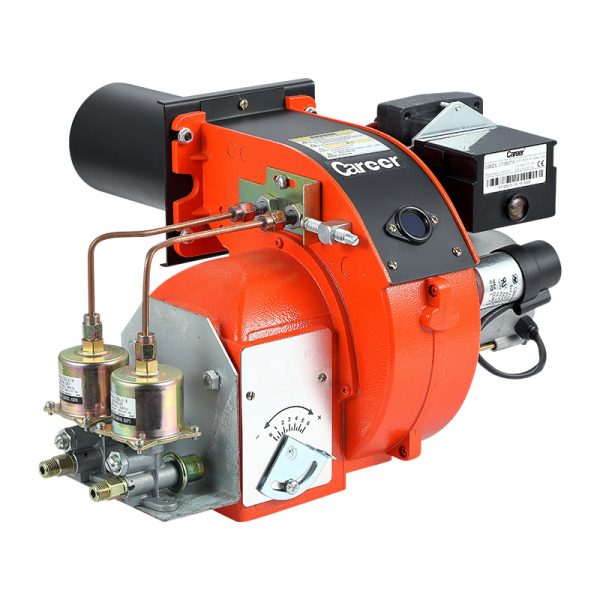
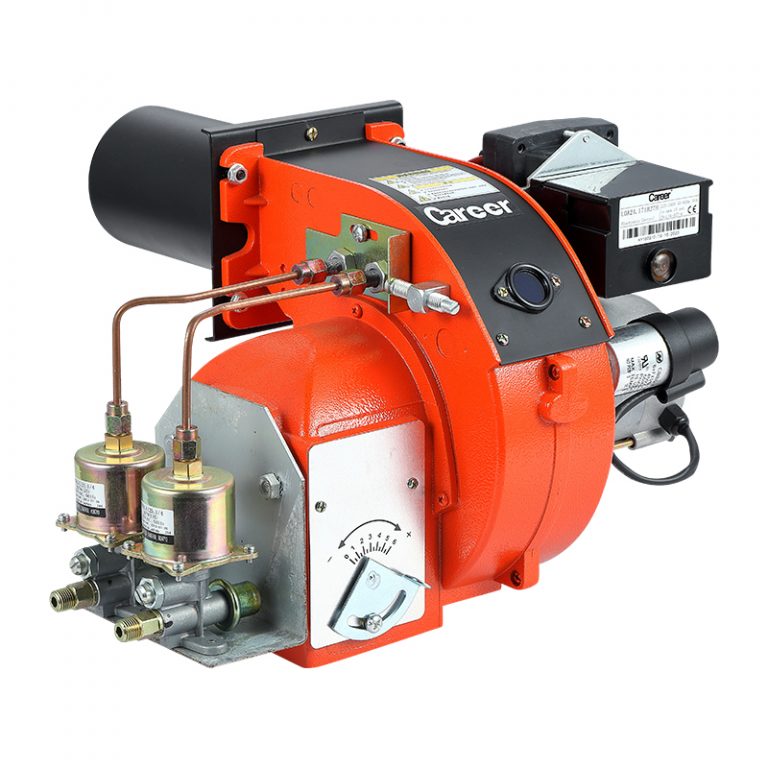
You can turn these steps into a repeatable program: narrow suppliers, build inline combustion testing, train service networks, and collect field data to refine presets. Those steps reduce failures, shorten time to approval in export markets, and lower warranty costs. When you need modular components and traceable service histories to support that work, working with experienced suppliers such as Career Burners aligns concrete products with the operational practices described here so teams can deploy burners that perform consistently across borders.

August 18, 2026 0 comments
0 FacebookTwitterPinterestEmail
Newer Posts
Older Posts

Recent Posts

  • LED Display Sourcing: A Comparative Look at Cost, Lead Time, and Quality
  • Expert Guide: Pick the Right Material Testing Machine Fast
  • Bi-directional PCS Manufacturers: Practical Questions Answered for First-Time Buyers
  • How to Specify a Power Electronics Manufacturer for Your Next Project
  • Best LED TV Makers: Maintenance, Service and Smarter Lifecycle Planning

Recent Comments

No comments to show.

Keep in touch

Facebook Twitter Instagram Pinterest Behance Youtube Tiktok

Taxonomy Listing

Business

Decorate

DIY Projects

Expert Advice

Gardening

Global Trade

@decor.joy3?lang=en

Follow us @ashlynn on Instagram and TikTok!

Categories

    • Archdaily
    • Specification
    • Building
    • Competition
    • Design
    • Consetvation
    • Architecture
    • Feature
Facebook-f Youtube Tiktok Instagram Pinterest-p

u00a92025 Soledadu00a0All Right Reserved. Designed and Developed byu00a0Penci Design

Send daily email

smartworldoptions
  • Home
  • Decorate
  • DIY Projects
  • Expert Advice
  • Gardening
  • House Tours
  • Industry
  • Market
  • Product Reviews