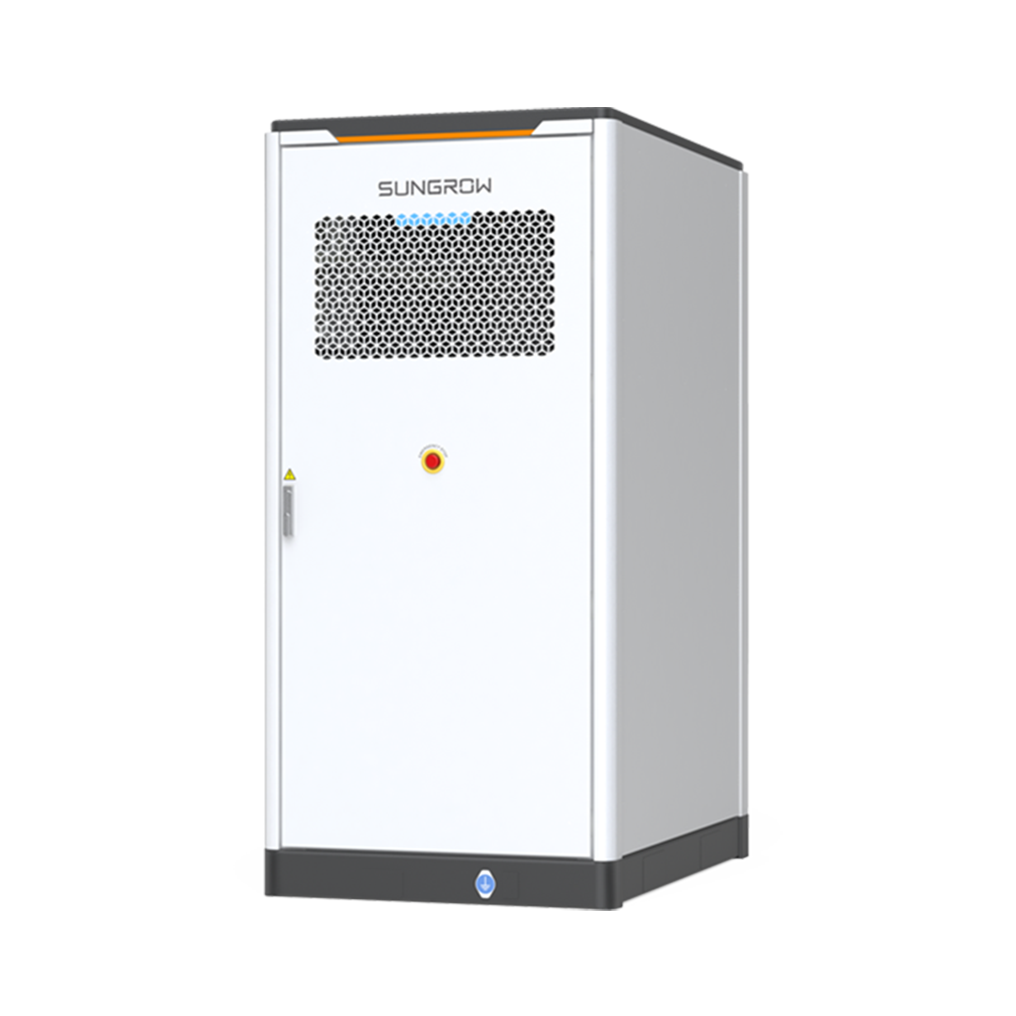
Where standard commercial battery storage falls short
I still remember walking a dusty rooftop in Phoenix while evaluating commercial battery storage options for a regional grocery chain; the installers were optimistic, but the invoices told another story. C&I Energy Storage projects often promise savings, yet site-level realities — layout constraints, interconnection delays, and unclear rate structures — eat into those gains. A mid-size retailer I advised last August saw demand charges of $9,200 per month and solar curtailment of roughly 40% during peak season — how do we pick a battery system that actually shortens payback rather than becoming another capex sunk-cost problem?
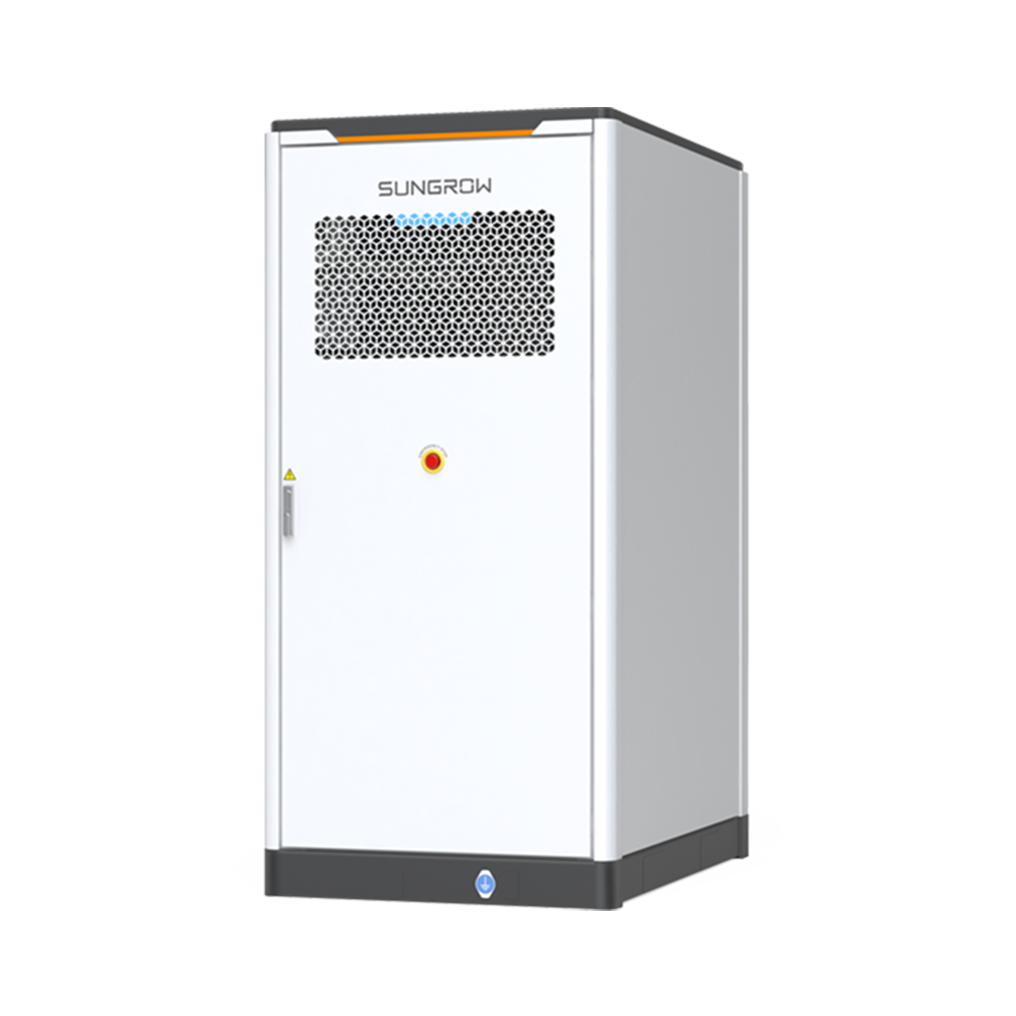
I’ve spent over 18 years in B2B supply chain advising buyers on capital equipment and I say this plainly: many “turnkey” offers gloss over three hidden pains. First, poor integration between the inverter and BMS leads to needless cycling and reduced cycle life. Second, vendors quote energy density and round numbers, but neglect site-specific thermal or permitting constraints (I watched a 500 kWh Li-ion rack stall for six weeks due to a missing permit in Austin back in March 2021). Third, operational modeling too often assumes static tariffs — real grids change. To be honest, those gaps are where savings evaporate. If you care about realistic ROI, you need to compare systems on measurable operational behavior, not just headline specs. — Here’s the next step.
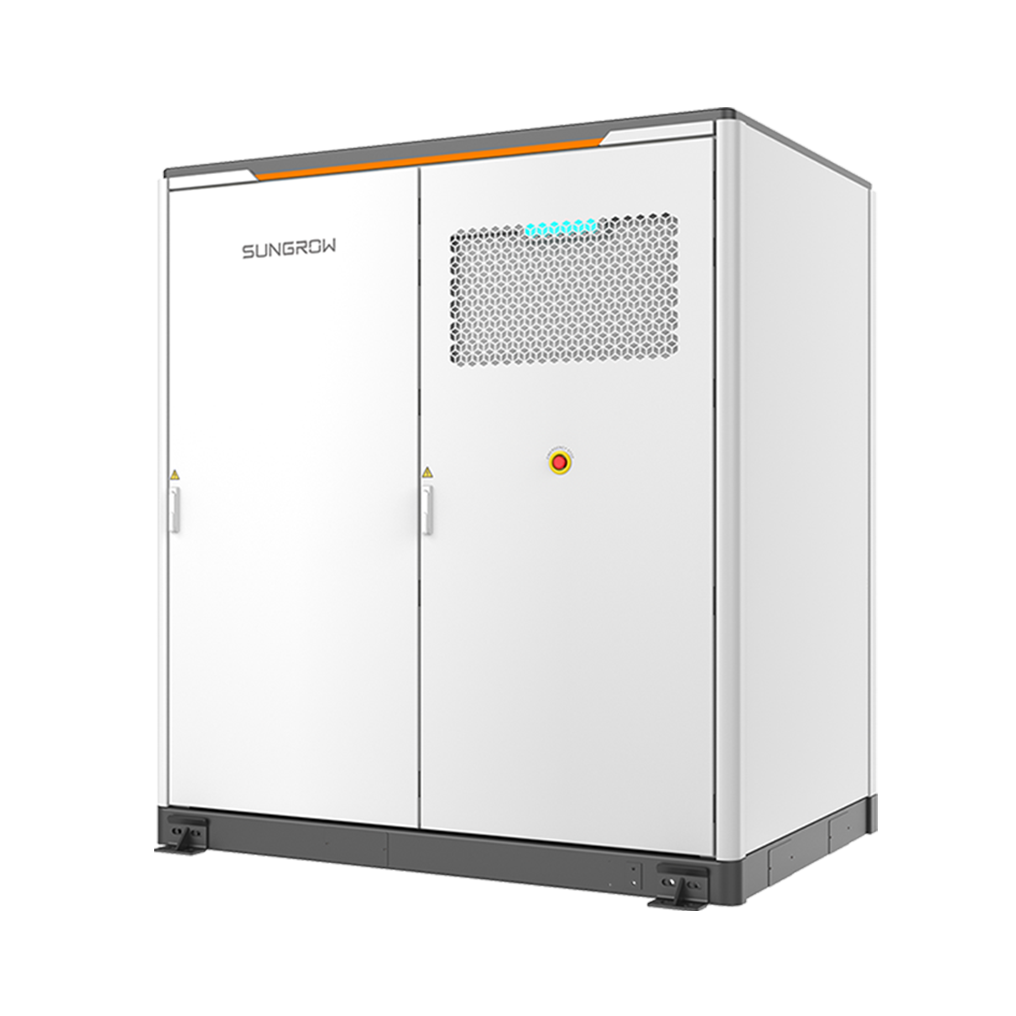
Forward-looking comparison and selection checklist
What’s Next?
Now I shift to what I actually recommend when selecting a commercial battery storage path forward: prioritize systems that make local operations simpler and measurable. Look for hardware where the inverter and BMS exchange telemetry cleanly (no proprietary black box), and insist on field-proven Li-ion modules with documented cycle life under your expected depth of discharge. In one rollout I led in Houston (January 2022), choosing a system with open telemetry cut commissioning time by two weeks and improved dispatch accuracy — that translated to a 28% reduction in peak charges within three months. This matters because the right pairing of controls and hardware reduces unplanned degradation and avoids costly replacements.
Below are three concrete evaluation metrics I use every time — they help cut through vendor marketing: 1) Measured round-trip efficiency and modeled savings under your tariff (not vendor assumptions); 2) Verified cycle life at your targeted depth of discharge and an explicit degradation schedule; 3) Integration openness — API access for the BMS and inverter so you can run custom dispatch or grid services. Check these and you get practical predictability. Also, expect small surprises (yes, weird interconnection quirks) — plan a buffer. I recommend running a six-month pilot or staged deployment when feasible; it’s the fastest way to validate assumptions. Finally, when you shortlist vendors, I always ask for a site-specific demo dataset (no canned slides).
I’ve said what I believe based on hands-on deployments across warehouses and retail sites; these checks turn vague promises into measurable performance. If you want a final quick checklist, here it is: verified efficiency, transparent BMS + inverter integration, and end-of-life degradation guarantees — that’s how I vet systems now. One more aside — don’t forget to model grid services revenue where allowed. For practical sourcing and more examples from deployments, see offerings and case notes from sungrow.