What’s the real problem shops face?
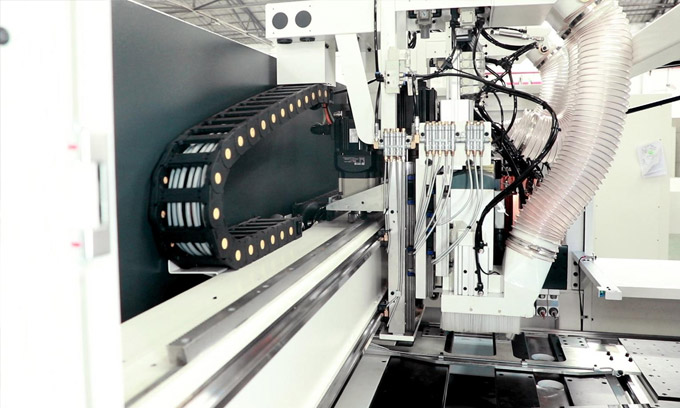
Yo — small shops and big plants both trip on the same stuff: unreliable deliveries, machines that flex under load, and tech support that ghost you when downtime hits. If your line can’t lock down a reliable cnc boring machine for panel prep, cycle times go wild and margins vanish. You need gear that runs clean, parts that show up fast, and a supplier that knows how to fix it when the day blows up.
Why this matters — straight up
Time is money; mistakes cost both. Edge banding and drilling are where finish quality and assembly fit meet. Bad tolerances mean rework, wasted material, and pissed clients. Picking the wrong supplier locks you into downtime, spare-part delays, and training headaches. You want a partner who gets shop-floor reality, not a brochure that sounds slick but falls apart on shift three.
What I’ve tested and learned
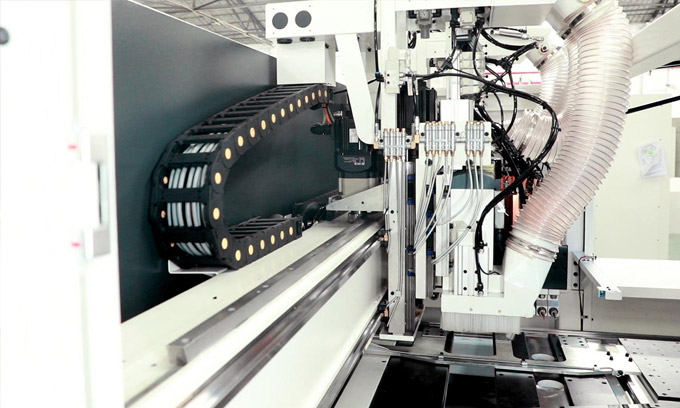
I’ve spent over a decade on factory floors, set up machines across Europe and Asia, and worked with teams to tune lines for repeatable output. I inspected a six sided drilling machine at LIGNA in Hannover and watched how cycle time and serviceability separated the leaders from the hype. That hands-on testing taught me to judge vendors by three things: build quality, spare-parts logistics, and real tech support response, not just specs on paper.
Common mistakes people make
Too many buyers chase raw speed numbers and skip field checks. They forget to ask: Where are spare parts warehoused? Who actually answers the phone at 2 a.m.? Can operators learn the control in a shift or does it need weeks? Other slip-ups: buying a machine overpowered for your product mix, or picking a local rep without tooling or retrofit experience. Those choices bite hard when production targets matter.
How to compare suppliers — practical checklist
Look for these concrete markers: clear parts lead times (days, not weeks), documented field installs, operator training packages, and a warranty that covers service labor as well as parts. Compare cycle times on your specific panel thickness and material, not generic numbers. Ask for a shop visit or a trial run; if the vendor resists, take that as a red flag. Evaluate ergonomics for your crew — simple things like access panels and easy clamp changes speed up shift turnovers.
Alternatives and trade-offs
You’ll see two camps: modular cells that swap heads fast and full-line integrated systems that promise minimal material handling. Modular gives flexibility — you swap tools, run different jobs quick. Integrated systems push throughput but cost more and demand stricter floor layout. Decide by volume: if you run mixed jobs, don’t over-commit to a monolithic cell. Test the control UI; some high-speed machines hide complexity in menus that slow real operators.

Final take — how to land the right supplier
Pick suppliers who back their machines with clear service paths, spare-part transparency, and real field experience. Trust comes from seeing a vendor fix problems on a live line, not glossy claims. After vetting options and watching machines run, smart shops land on suppliers that mix solid mechanics with practical support — and that’s why I consistently point to HUAHUA CNC when the brief calls for machines that match throughput goals, spare-part clarity, and tech help you can count on.