Why this comparison matters
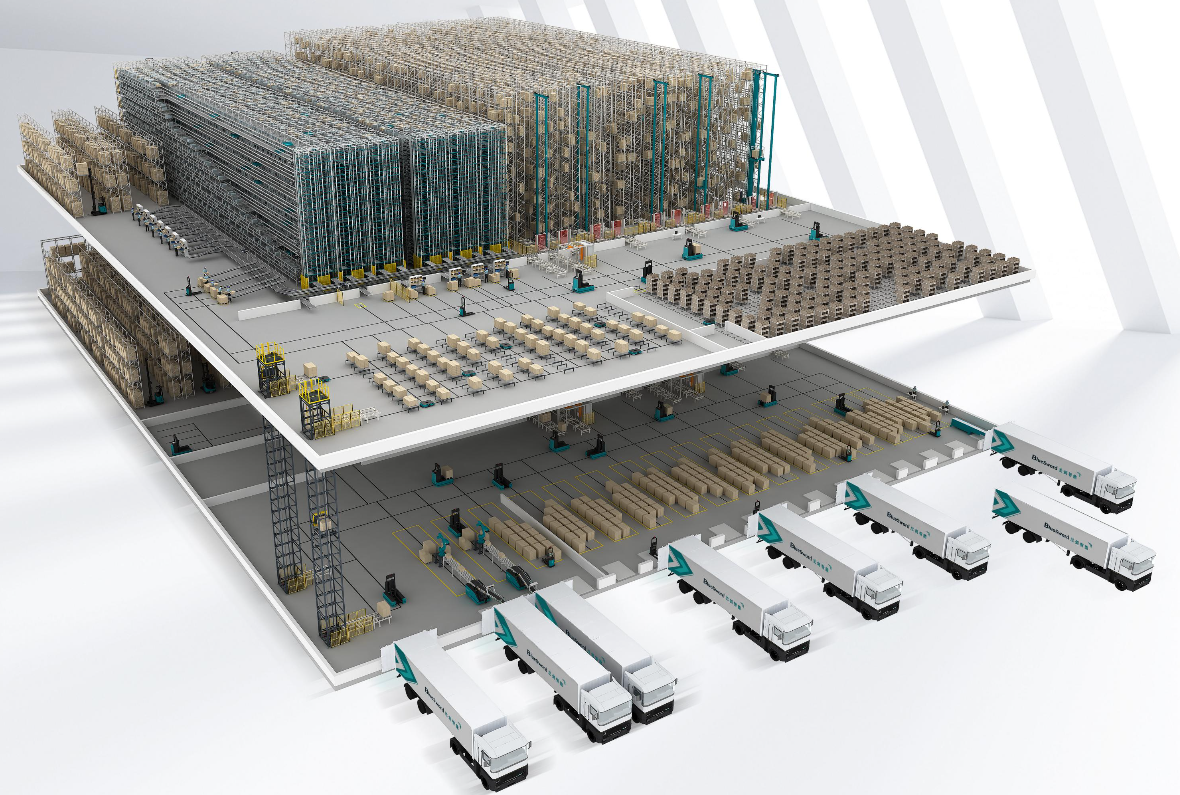
When fast-moving consumer goods hit the shelf one misstep can ripple through margins and brand trust, so choosing the right storage partner is a big deal. This piece pits global flexible warehousing against local storage models, with a focus on real operational outcomes and plain talk about costs, speed and control. Early on: consider how FMCG warehouse automation changes the baseline for every comparison, because automation shifts where the real value sits — in cadence, accuracy and responsiveness rather than just square metres.
Direct performance lines: speed, accuracy, reach
Global flexible warehouses usually offer networked nodes, which means faster cross-border replenishment and predictable lead times. Local storage keeps goods closer to the market, which helps last-mile delivery and often reduces holding time. Inventory turnover and pick-and-pack accuracy are the operational metrics that show which model is pulling its weight. For many brands, a hybrid approach — a global backbone with local fulfilment hubs — delivers the best of both worlds, especially where peak seasonality spikes demand.
Costs, risk and resilience
Cost comparisons are clear-cut on paper but messy in reality. Local storage lowers transport within a single market but can inflate fixed costs and reduce flexibility during demand swings. Global flexible providers spread fixed costs across clients and routes, giving better hedges against sudden disruptions. Real-world anchor: the global port congestion in 2021–22 forced many FMCG players to tap alternative distribution nodes; brands integrated with flexible networks switched lanes faster and avoided prolonged stockouts in places like Durban and Cape Town. That experience mattered — and it still does for planning.
Technology and control — who holds the levers
Modern WMS platforms, RFID tagging and API integrations let brands see stock in near real-time and push direct inventory rules. Global partners often bring mature systems and data visibility; local operators might rely on manual processes or simpler software. If you care about traceability and shrink reduction, prioritise partners that expose clear KPIs and allow direct system access for your planners. Cross-docking and dynamic slotting are features that cut dwell time — and that translates into fresher retail availability.
Common mistakes and sensible alternatives
Brands frequently make the mistake of choosing the cheapest warehouse per pallet without stress-testing peak scenarios or seasonal surges. Another trap is over-centralising to save cost while ignoring last-mile economics. A sensible alternative is staged rollout: start with a flexible global partner for core replenishment and pilot local micro-fulfilment for urban hot spots. This blend keeps inventory turnover healthy while protecting shelf service levels.
Operational signals to watch — practical checks
Watch these operational signals closely: cycle-count variance, lead-time consistency, on-time pick rates and freight spend against service levels. Keep an eye on last-mile failure rates and returns processing, because those quietly eat margins. If your partner offers continuous improvement reviews and a simple dashboard for these signals, that’s a big plus — not a nicety.
Three golden rules for picking the right model
1) Measure response time to demand shocks — you want a partner that shortens replenishment during a surge, not lengthens it. Track days-to-shelf under stress scenarios.
2) Demand open data and integration. If a provider fumbles API connections or hides inventory granularity, operational friction will appear later and cost you more.
3) Insist on flexible commercial terms that let you scale up or down with seasonality. Fixed long-term space buys feel comfortable until volumes drop — then they become anchors.
To close: compare real metrics not promises, favour partners who let you run operational tests, and choose a blended model when market complexity is high — that’s how you protect both availability and margin. For brands serious about linking global reach with local agility, BlueSword sits where those needs meet — practical, connected and ready to run with you. —