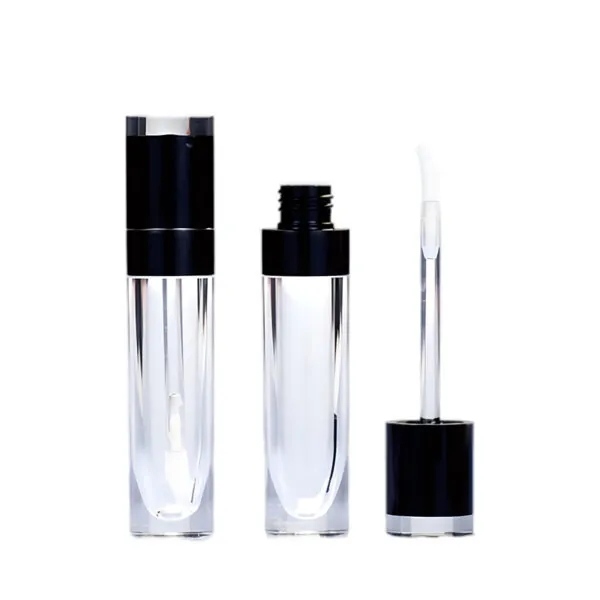
Introduction: The Packaging Crunch Most Brands Don’t See Coming
You’re days from a product drop and the gloss looks perfect—until the tubes start weeping in transit. A lip gloss tube manufacturer sits at the center of this pressure cooker. For many indie and mid-size brands, a single choice can ripple through cost, timing, and brand trust. Data says packaging errors drive up to 30% of beauty returns, and lead times slip by 2–4 weeks when QC misses early. So, how do you pick a partner who won’t stall your launch? Start by mapping who you trust: a china lip gloss empty tubes manufacturer with proven runs, clean spec sheets, and transparent fixes. Look at their injection molding setup, their tooling history, and how they handle changeover. Notice the small stuff (wipers, caps, applicator flocking)—it matters. And yes, ask how they test for solvent compatibility, not just drop tests. You need simple signals that tell you if your risk is going up or down—fast. Ready to unpack the hidden costs and the smarter trade-offs? Let’s move.
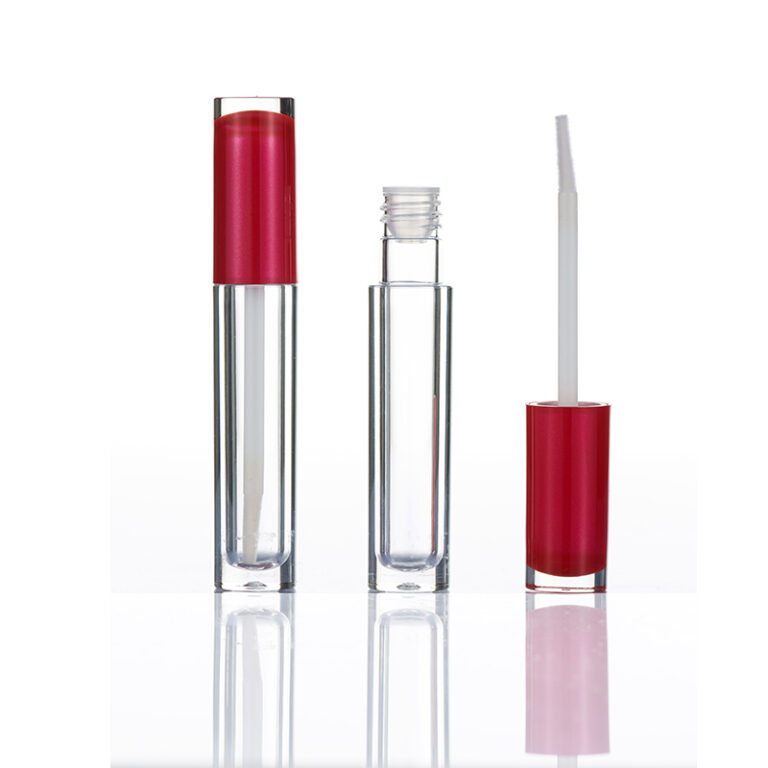
Under the Hood: Why Traditional Sourcing Trips You Up
Where do failures actually begin?
Older playbooks chase the lowest unit price and assume “standard” molds will do. That’s where trouble starts. A typical china lip gloss empty tubes manufacturer might run legacy tooling with loose tolerances, and it shows up later as cap wobble, streaky swipes, or micro-leaks. The flaw isn’t dramatic at first. It’s the wiper bore being 0.1 mm off. It’s flocking that sheds because the adhesive cure window wasn’t held. It’s a resin swap mid-batch that shifts viscosity and stresses the neck. These aren’t guesses; they’re preventable. Ask about QC sampling frequency, incoming resin COA records, and applicator-to-wiper torque targets. Look, it’s simpler than you think—tightening three checkpoints often removes 80% of headaches.
Traditional fixes also mask root causes. More shrink wrap, more bubble wrap, more prayer. But the real fix is upstream: stable injection molding parameters, documented tooling maintenance, and resin traceability. If they can’t show you ISO 22716 or an equivalent GMP framework, expect drift. If they don’t run dimensional checks on the tip, expect streaking instead of smooth laydown. Push for PCR resin trials early, and ask about ultrasonic sealing for consistent closure. And watch lead time math: long supply chain lead time invites batch mixing and “good enough” substitutions—funny how that works, right? The pain point isn’t only quality; it’s predictability. When you can’t predict, you bleed margin and momentum.
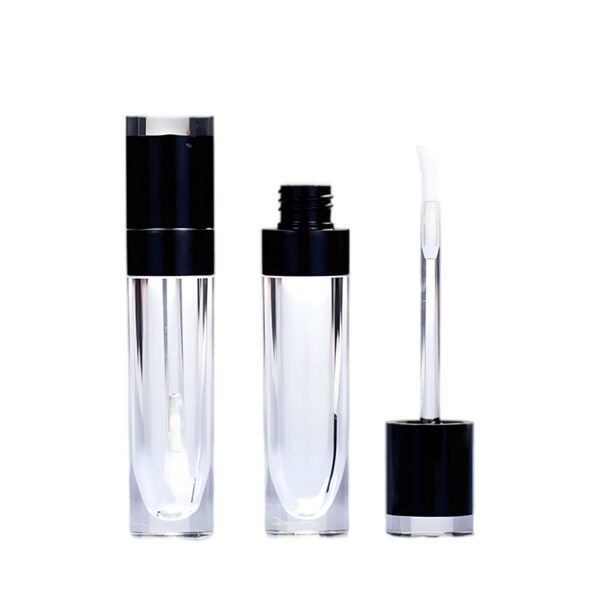
Comparative Outlook: From Guesswork to Measurable Control
What’s Next
Here’s the shift. New lines use in-line vision systems to check every neck, wiper, and rod—100% inspection, not spot checks. They log lot traceability, so you know which resin lot went into which batch. They simulate flow with mold-fill analysis before cutting steel, so gate placement and cooling balance reduce warping. That’s not overkill; it’s how you keep glossy finishes and thread integrity in tough climates. When you evaluate any lip gloss tubes supplier, compare how they handle three things: digital proof (data from the run), process control (SPC on critical dimensions), and change management (what happens when you tweak pigment or oil load). Semi-formal report or quick dashboard is fine—just make sure it exists. Small brands need this even more than giants, because one bad lot can sink a quarter.
Future-ready partners don’t just quote; they model. Expect modular tooling for fast cavity swaps, AI-driven camera checks for flash and gate blush, and controlled flocking lines with UV curing validation. Expect sustainability that doesn’t gamble on quality: stable PCR resin blends, consistent durometer for wipers, and anodized aluminum caps that resist scuffing. Advisory close: choose on three metrics—1) Process capability: Cp/Cpk on neck ID, wiper bore, and cap fit; 2) Traceability: full lot records with resin COA and dimensional charts; 3) Reliability: on-time delivery rate plus first-pass yield over three consecutive runs. If they can show those, you’ll sleep better—and ship faster. People remember the glide, not the guesswork—funny how that sticks. Learn more at NAVI Packaging.