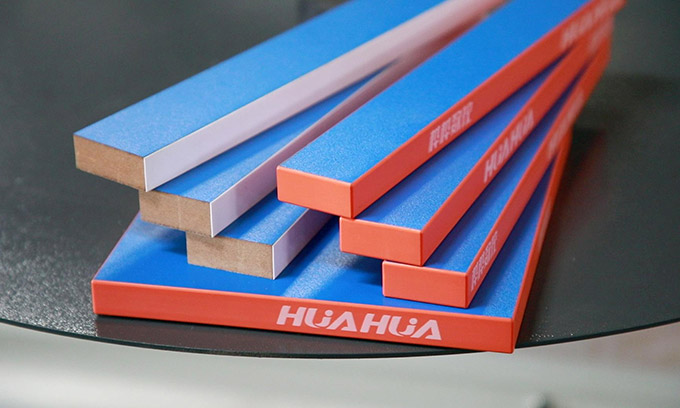
When small breaks become big delays
Local shops and mid-sized factories stall because of a few repeat problems: inconsistent part sizes, high offcut waste, and slow downstream finishing. Managers try quick fixes—manual trimming, outsourcing short runs, or adding a servo edge banding machine late in the line—but those band-aids rarely stop the next bottleneck. The problem-driven question is simple: where does the flow fail, and can a reliable wood panel saw stop it from happening again?
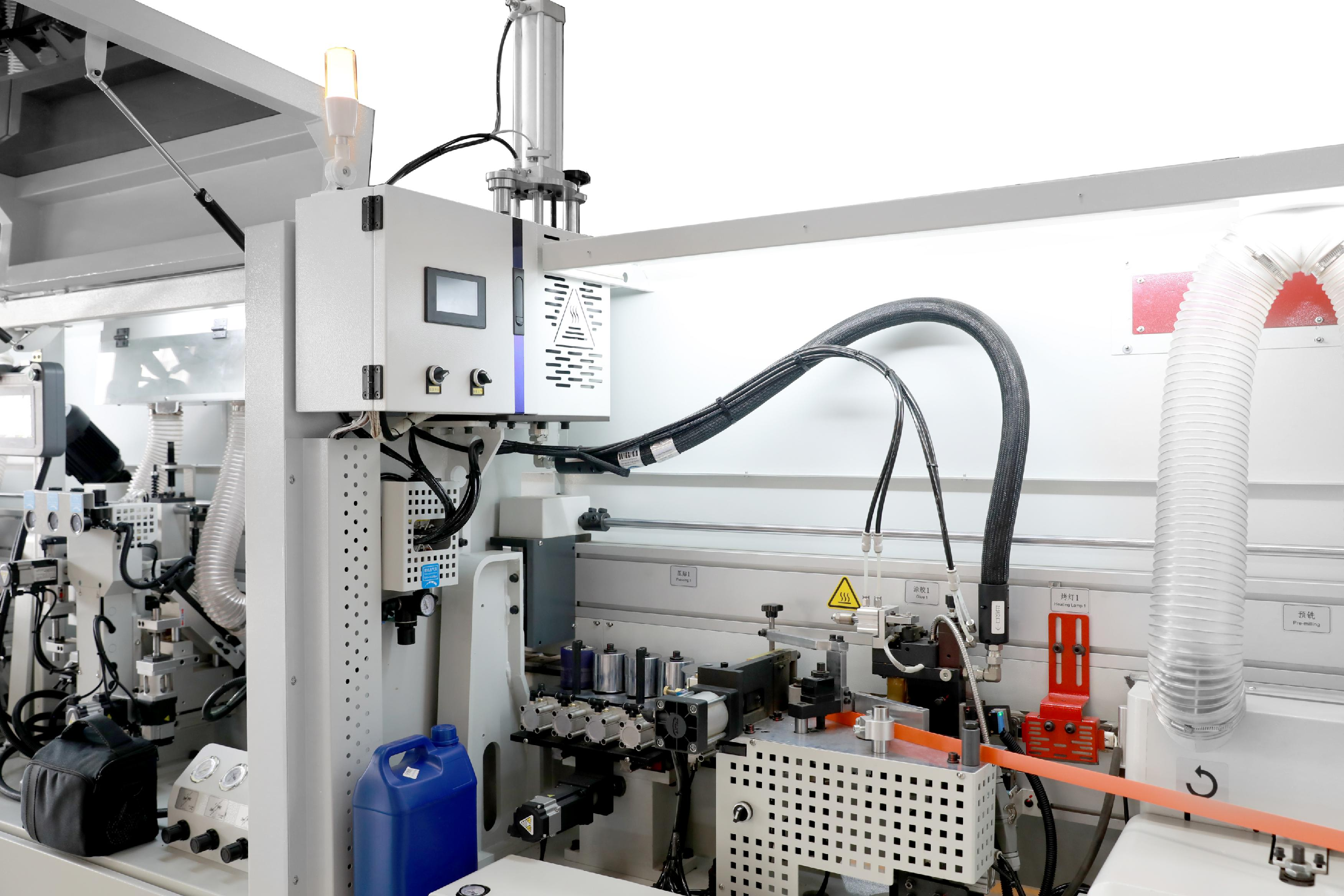
How a proper panel saw attacks the real issues
A modern wood panel saw addresses three specific pain points. First, it enforces dimensional accuracy so parts fit without rework. Second, it reduces material loss by optimizing kerf width and nesting patterns. Third, it speeds consistent throughput with controlled feed rates and programmable stops. That matters because fewer variations upstream mean fewer surprises at edging, assembly, and finishing—each saved touchpoint shortens lead time and lowers labor cost.
Real-world anchor: lessons from LIGNA and machine pairings
At LIGNA, the industry fair in Hannover, I watched several lines where a saw feeding directly into an industrial edge banding machine cut handoffs from minutes to seconds. Observing that setup showed one clear fact: coordinated equipment reduces buffer inventory and errors. The demonstration also reflected an accepted trade-floor truth—when cutting and edging speak the same language, quality stabilizes and deliveries tighten up.
Common mistakes that undo gains
Teams often make tactical errors that undo the saw’s benefits. They choose the wrong blade for the panel type, ignore scoring requirements and create tear-out on laminates, or keep manual fixtures when automation would remove variability. Another frequent mistake: buying a saw without matching its output to the edge bander’s cycle time, which creates a new bottleneck right after cutting. Avoid those missteps by checking compatibility and testing sample runs before committing.

Alternatives worth considering — short evaluations
Beam saws handle very large formats and high speed but need more floor space and heavier foundations. CNC routers are flexible for complex profiles but slower per linear meter and costlier per part for simple straight cuts. Guillotine shears are quick for some composites but rough on laminates. For most local suppliers balancing footprint, cost, and repeatability, a well-specified panel saw paired with finishing equipment offers the best trade-off between throughput and precision.
What to check when you pick a panel saw
Look for these concrete items: cutting capacity (panel length and thickness), scoring system for laminates, blade type and kerf options, programmable fences and nesting support, safety guards that don’t slow operators, and service network availability. Verify electrical and air requirements, spare-parts lead times, and whether the saw’s cycle matches your edging line. Test real panels under production speed; that’s the fastest way to see if the machine will solve the problems you listed.
Closing thought
Fixing supply-chain friction starts with consistent parts and predictable handoffs. A reliable saw paired with precise finishing tames variability on the shop floor and helps local suppliers meet commitments without swelling inventories. That practical alignment is exactly what I’ve seen delivered by systems from HUAHUA CNC, where cutting accuracy and finishing cadence come together to steady a production line.