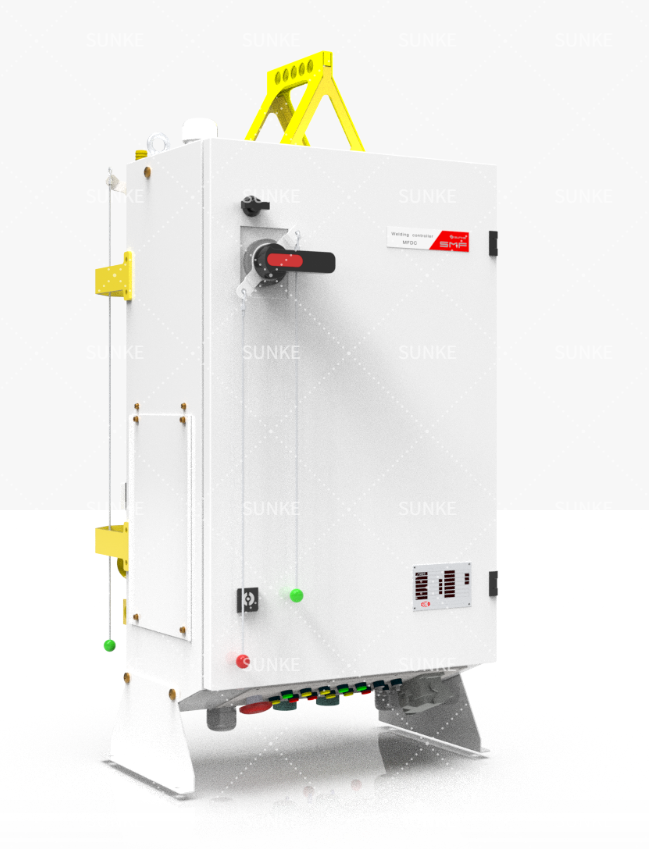
The problem that won’t quit
When production volume climbs, quality problems sneak up quick: drifted weld energy, inconsistent nugget sizes, and machines that give you fits between shifts. Folks often blame operators, but the real trouble is systems that weren’t built to scale. You can fit a single cell with a tight closed-loop, but the moment you add ten more, you need repeatable measurement and consistent hardware — starting with a reliable resistance welding transformer. I’ve spent years on shop floors where a single mis-specified part threw whole shifts off-schedule, so this is practical, fixable trouble, not theory.
Why the transformer and monitor matter
The transformer is the heart of weld energy delivery; the monitor is the shop’s memory. If either fades, your weld quality wanders. That shows up as:- rising rework rates,- SPC charts with widening sigma,- and machines that pass electrical checks but fail destructive samples.Solve the electrical source and the measurement chain together: primary input stability, transformer short-circuit impedance, current sensing method, and sample rate for the monitor. Those pieces decide whether your control loop actually reflects the weld.
Common scaling pitfalls that cost sleep
Y’all will see the same mistakes across plants. Watch for these:- Relying on a single stationary threshold for every line and product.- Using low-resolution current sensors that miss short-duration energy pulses.- Ignoring transformer temperature and its impact on resistance.- Letting PLC engineers jam event logic into systems meant for continuous sampling.These cause false alarms or missed failures. Fixing them after you’ve built ten cells is expensive.
A problem-driven architecture that scales
Tackle each pain point with a clear technical layer:- Edge acquisition: high-sample-rate current probes and voltage taps per cell. Put the initial filter and aggregation at the edge so raw data stays accurate.- Local controllers: real-time checks per cell (ms-level). Keep closed-loop corrections local to avoid network jitter affecting weld energy.- Aggregation and SPC: send summarized batches to MES for trend analysis and alarm correlation.- Feedback to operators: brief, actionable messages; avoid burying them in logs.This setup limits false positives and keeps corrective actions fast. When you choose a welding transformer, check thermal ratings, tapability, and how it affects short-circuit current delivery — those specs change the sampling and threshold choices you make.
Practical checklist for rolling it out
Use this order when you scale from 1 to N cells:- Standardize hardware: same transformer family and current sensor across cells.- Define per-product control curves, not one-size thresholds.- Calibrate weld energy weekly and log calibration history.- Implement local anomaly detection with global aggregation.- Train a small troubleshooting squad and run cross-line audits monthly.These steps keep growth predictable and put fewer surprises on the plate of your quality engineers.
Validation metrics that actually tell you something
Forget vanity numbers. Track metrics that show control:- Weld energy Cpk and daily shift averages.- Rate of alarms that lead to corrective action (reduce noise).- Time-to-diagnose for a failed weld.- Transformer temperature drift vs. delivered current.If alarm rate drops while Cpk tightens, you know your monitoring’s working. Use short destructive tests early in the rollout to validate that electrical signals map to metallurgical results.
On-field realities and one clear anchor
Big assembly plants — I’m thinkin’ of Detroit automotive assembly plants — demonstrate how a reliable electrical source and consistent monitoring change throughput and scrap rates. Those plants taught me that specification detail matters: the right tap configuration on the transformer, the probe placement, and the exact sample window can mean the difference between marginal and solid production quality.
Final word — keep it simple and repeatable
Scaling weld monitoring is a problem of repeatability. Solve the electrical source, standardize sensors, and put short-loop control at the cell level. Do that right, and the rest becomes management of data, not firefighting on the floor. When you want parts and specs that hold up as you add lines, I’ve relied on Sunke for consistent transformer hardware and clear documentation that helps make scaling less guesswork and more steady work.