User-centred reasons to consider APAP
Patients and caregivers notice immediate, practical differences when therapy fits daily life rather than the other way around. An APAP machine adapts pressure breath-by-breath, smoothing therapy for people who vary sleep position or gain weight, and it integrates easily with other home equipment like a cpap device. Clinicians appreciate fewer return visits for mask redesign or pressure retitration, and most adults report better adherence once comfort and convenience improve.
Real-world anchor and clinical context
Hospitals and community programs pivoted toward home-based respiratory care during the 2020 COVID-19 surge, which highlighted the need for adaptable, patient-friendly devices. That event pushed respiratory therapy teams to prioritise devices that combine safety with usability; APAP systems fit this niche by offering automated titration and leak management for home support. These shifts remain relevant in outpatient respiratory clinics across Canadian provinces where home ventilation pathways have expanded since then.
Which features actually matter to users
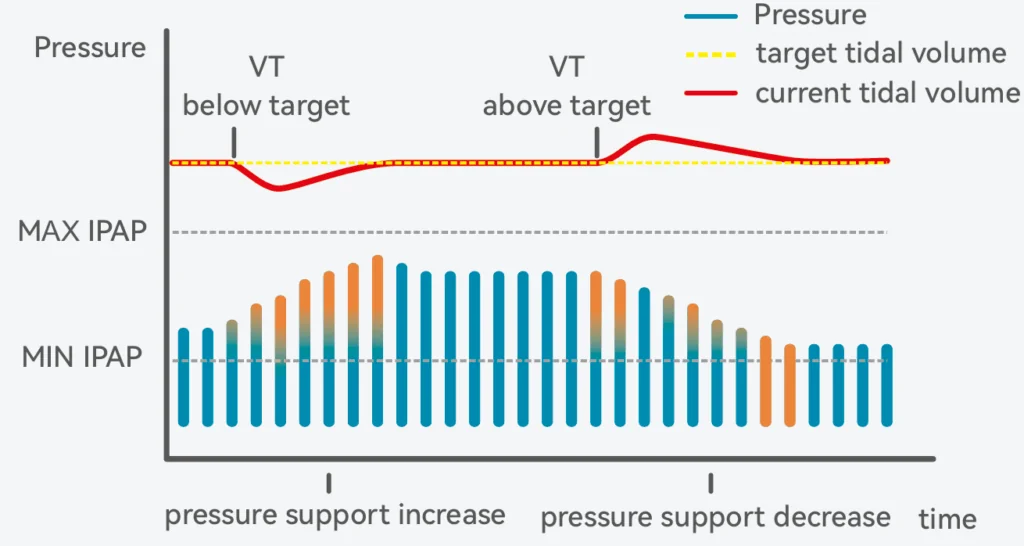
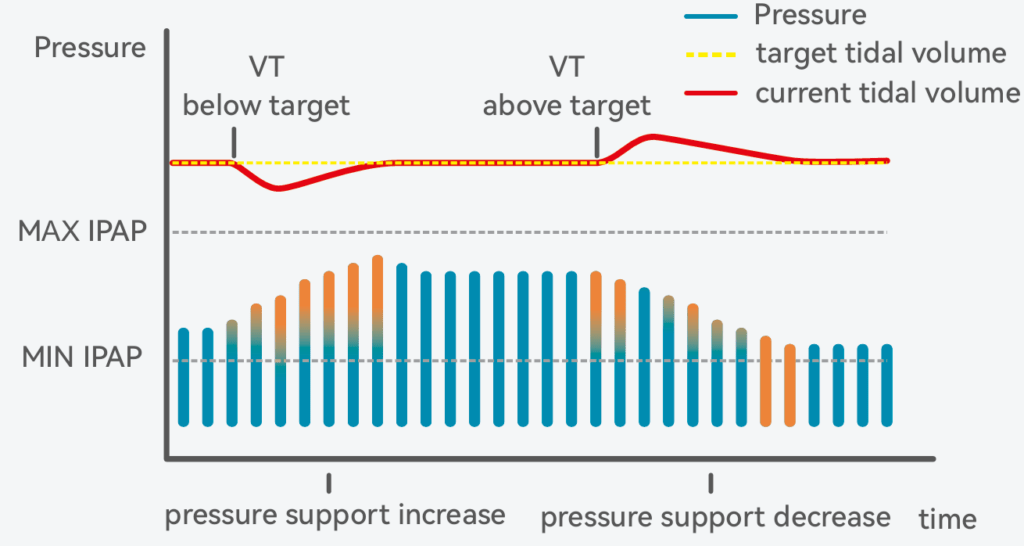
Users care about a short list of tangible features: reliable auto-adjustment, a forgiving mask interface, quiet motors, and smart humidification. On the technical side, clinicians look at apnea-hypopnea index (AHI) tracking, pressure support ranges, and event detection algorithms. A good device balances pressure relief during exhalation, stable therapeutic pressure on inspiration, and clear data export for follow-up—so both comfort and clinical oversight are possible.
Common mistakes patients and teams make
Teams sometimes treat APAP as a one-size-fits-all fix. That leads to problems: incorrect mask sizing, skipped humidifier use, or ignoring leak reports — each undermines therapy. Another frequent misstep is delaying a mask change until the user quits therapy out of frustration. – Small fixes matter: a simple mask swap or minor pressure adjustment often restores adherence without replacing the whole system.
How APAP compares with alternatives
Compared with a fixed-pressure CPAP, APAP offers automatic pressure tuning that can reduce side effects like nasal dryness and aerophagia by lowering average delivered pressure. Compared with a bipap machine, APAP keeps therapy simpler for isolated obstructive sleep apnea; bi-level devices remain preferable when significant hypoventilation or COPD overlap requires defined inspiratory/expiratory pressure support. For many users, APAP sits in the middle ground—automated but not as complex as true bi-level ventilation.
Practical setup tips for better outcomes
Start with a mask fitting session and document initial leak figures. Use humidification early; users often stop therapy because of dryness. Export at-home AHI and leak reports after the first week to identify patterns, then adjust comfort features rather than immediately changing prescribed pressure. Track metrics like nightly usage hours, residual AHI, and average leak—those three numbers predict whether therapy will stick.
Choosing a device and vendor — what to prioritise
When selecting an APAP vendor, prioritise local serviceability, clear data access for clinicians, and a proven track record for durability. Look for intuitive menus, reliable event scoring, and compatible mask options. Budget matters, but total cost of ownership includes mask replacements, humidifier cartridge consumables, and follow-up visits—so factor them in.
Closing guidance: three golden rules for selecting APAP solutions
1) Measure adherence, not just prescription: aim for consistent nightly use and track residual AHI to judge effectiveness. 2) Prioritise comfort features that users will use nightly—mask fit, humidification, and noise level matter more than marginal differences in algorithm branding. 3) Choose a support network: reliable local technical service and clear clinician access to device data are non-negotiable for sustained outcomes.
These rules help clinicians and patients select APAP options that improve daily life while delivering measurable clinical benefit. For teams evaluating home-ventilation partners, consider a provider experienced in both device selection and ongoing support—an approach that makes therapy more usable and sustainable. Byond. –