smartworldoptions
  • Home
  • Decorate
  • DIY Projects
  • Expert Advice
  • Gardening
  • House Tours
  • Industry
  • Market
  • Product Reviews
smartworldoptions
  • Home
  • Decorate
  • DIY Projects
  • Expert Advice
  • Gardening
  • House Tours
  • Industry
  • Market
  • Product Reviews
smartworldoptions
smartworldoptions
  • Home
  • Decorate
  • DIY Projects
  • Expert Advice
  • Gardening
  • House Tours
  • Industry
  • Market
  • Product Reviews

@2022 - All Right Reserved. Designed and Developed by PenciDesign

Industry

Five Comparative Insights for Pouch Cell Formation Success: From First Charge to Stable Yield

by Madelyn December 7, 2025
written by Madelyn

When the First Charge Sets the Whole Story

Here’s the scene: a fresh pack rolls off the line, trays humming, operators watching the monitor. In the second tray, a pouch cell waits for its first charge. During pouch cell formation, one tiny deviation can set the tone for cycle life and safety. Studies put 20–35% of early yield loss on the formation and aging window alone, with drift showing up in SEI stability and internal resistance. So, why do so many lines still rely on static profiles and manual spot checks, ah? Look, it’s simpler than you think: the early electrochemistry is fragile, and the plant environment adds noise. Are we tuning the first charge to fit the cell, or forcing the cell to fit the line? Let’s move step by step, la—then compare what really works.

pouch cell

Where do legacy methods go wrong?

Traditional flows use one-size-fits-all current steps, fixed rest times, and batch-level limits. That sounds safe, but it hides three big flaws. First, electrolyte wetting is uneven; pressure in fixtures drifts by a few kPa, and that shifts the SEI layer growth. Second, power converters may meet nameplate specs, yet transient response and IR drop under pulse loads still skew current density at the tabs. Third, we log at low sampling rates, so impedance changes slip between intervals. The result: cells pass OCV checks but carry micro-variance that blooms later under fast charge or heat. Add a warm day in the shop and airflow dead zones, and your thermal management goes off. You see a few outliers today; you see a pattern next month—funny how that works, right? In short, the chemistry wants adaptive control, but the line stays rigid. Time to compare that old playbook with smarter ways.

Smarter Formation vs. Old School: What Actually Lifts Yield

Next phase, we look forward. The new principle is simple: let the cell’s response guide the first charge. During pouch cell formation, adaptive profiles read surface cues—voltage slope, dV/dt, and early impedance—and adjust current steps in real time. Think model-based control with safety rails. Edge computing nodes sit on each rack, run light EIS-like checks, and flag cells that need longer wetting rests. Short pulses help form a tighter SEI without over-plating. Rack-level airflow mapping keeps delta-T within 2–3°C, not 6–8°C. Data streams back into a digital twin to predict drift before it bites. It sounds high-tech, but the aim is humble: make the first charge repeatable even when ambient, pressure, and chemistry vary.

pouch cell

What’s Next

Comparing both paths shows clear gaps. Fixed recipes treat every pouch the same; adaptive control treats each pouch as a signal. Old lines rely on end-of-step checks; new lines read the curve as it forms. Legacy racks chase uniformity; smarter racks enforce it with feedback—tab thermistors, tray pressure sensors, and fast-slew power converters that actually hold the setpoint under transients. The payoff is visible: tighter spread in DCIR, fewer reworks, and more stable capacity through the first 100 cycles. And yes, better safety margins under high C-rate charge. If Part 1 gave the overview, this step drills into practice: measure earlier, adjust faster, and lock in a clean SEI. Then scale it. Because when the first hour goes right, the next 1,000 cycles feel easy—no joke.

To choose the right path, test with numbers, not vibes. Three checks help: 1) Control fidelity: can your system hold current and voltage within tight bands during fast steps, and verify with high-rate sampling? 2) Insight density: do you capture per-cell impedance markers, temperature gradients, and pressure data at useful intervals, not just batch summaries? 3) Corrective power: can your software shift rest times, pulse width, and pressure on the fly without pausing the whole rack? If you track these, your line can compare old vs. new with fair eyes. For teams mapping out upgrades or pilots in formation aging for pouches, an open benchmark and modular rigs go a long way. If you need a neutral reference point or want to see how others structure it in practice, have a look at LEAD for process frameworks and hardware baselines that keep the focus on data, not hype.
December 7, 2025 0 comments
0 FacebookTwitterPinterestEmail
Tech

Practical Guide to Choosing a Wet Tissue Machine: A User-Centric View for Small Brands

by Harper Riley December 6, 2025
written by Harper Riley

Introduction — a short scene, some numbers, and a clear question

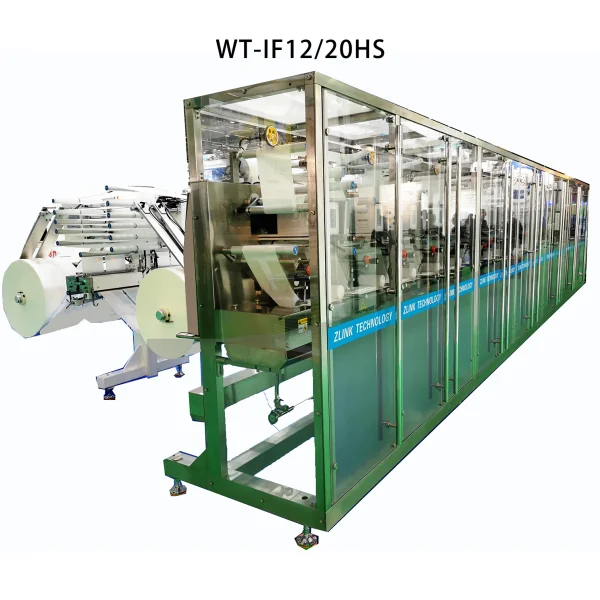
I was in a small Nepali factory last month watching a line of workers pack wet wipes by hand. The room smelled faintly of alcohol and detergent; the pace was steady but slow. In the second sentence: wet tissue machine models stood idle in the corner, waiting to transform that manual work into consistent output. (We all remember how long setup can take — sigh.)

wet tissue machine​

Data matters: small brands report up to 40% waste during manual folding and cutting stages. I’ve seen production rates jump from a few hundred to several thousand pieces per hour after automation. So I asked the floor manager: what matters most when you pick a machine? He named reliability, easy maintenance, and parts supply — and he spoke like someone who’s lost sleep over downtime.

This piece is for brand owners and technicians who want real answers, not buzzwords. I’ll walk through what I noticed, where common mistakes hide, and what questions you should ask before buying. We’ll cover mechanical basics like servo motor behavior and PLC interfaces, and touch on power converters that often trip during start-up. Ready? Let’s move to the technical roots behind those floor problems.

Hidden flaws and user pain — why many solutions fail

When I dig deeper, I find that many baby mini wet wipes setups look good on paper but stumble in daily use. One big culprit is reliance on a single-point tension control system. If the web tension fluctuates, sheets misalign and cutters jam. I’ve written to and spoken with several baby mini wet wipes machine manufacturers, and they admit that cheaper units skip redundant tension sensors to cut cost. That saves money at purchase — but not for the user, who pays in waste and repairs.

Another technical problem is poor PLC integration. Some machines ship with proprietary PLC maps that make troubleshooting a nightmare. I remember a technician telling me, “We wasted three days tracing an I/O map that should have been documented.” Look, it’s simpler than you think: clear PLC documentation, spare I/O modules, and a local parts list prevent those slowdowns. Add a servo motor with predictable torque curves and basic diagnostics, and you reduce guesswork.

Why does this keep happening?

Manufacturers sometimes prioritize cycle speed over real-world tolerances. They push specs like “pieces per minute” while neglecting repeatability. The result: frequent downtime, inconsistent cuts from the cutting die, and frustrated operators. In my view, users lose confidence faster than equipment breaks — and that loss of trust is costly. — funny how that works, right?

Future outlook and practical principles for better choices

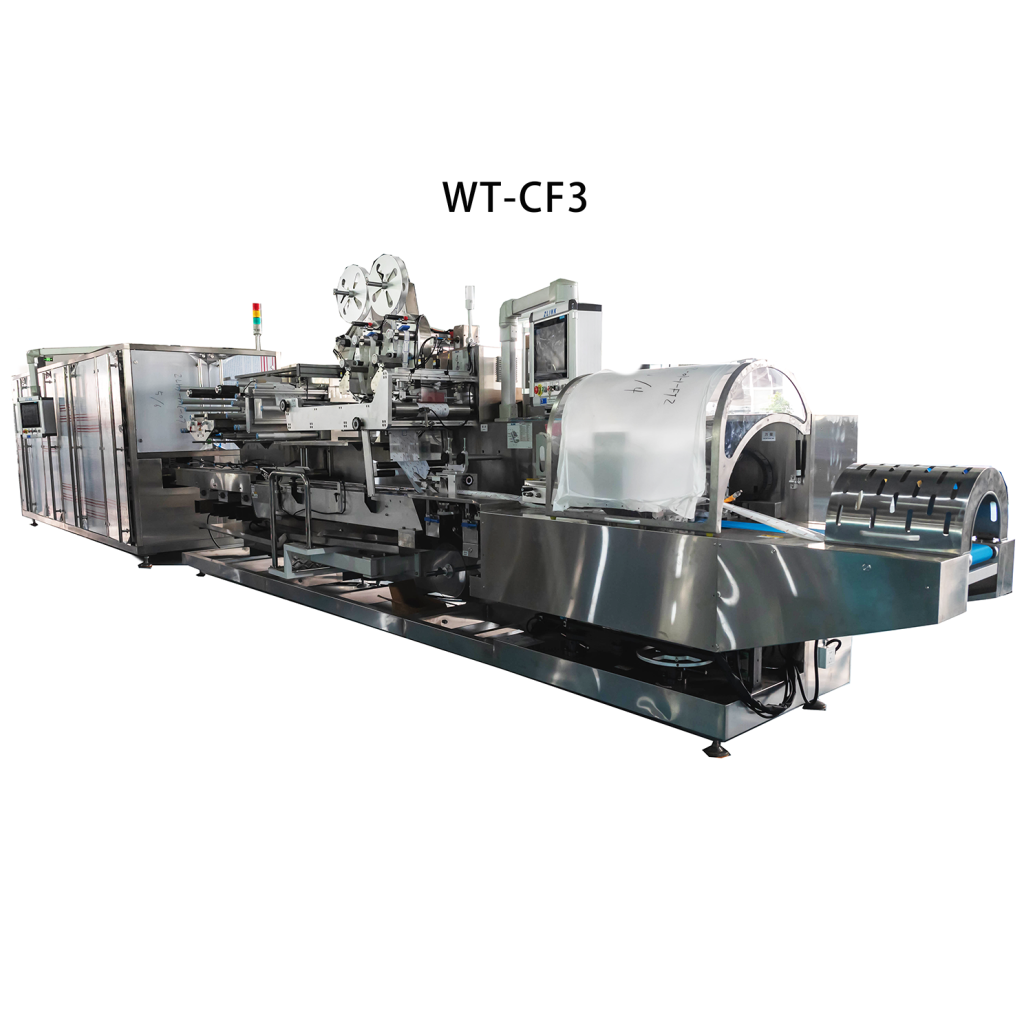
Looking ahead, I expect the most useful upgrades will be about smarter sensing and simpler service. If you talk to modern baby mini wet wipes machine manufacturers, they will mention modular drives and better human-machine interfaces. I prefer machines with intuitive HMI screens, clear fault logs, and modular spare parts. PLC programs should be commented and stored in accessible backups. That makes repairs faster and less stressful for your staff.

wet tissue machine​

Technically, adding basic edge computing nodes can help with predictive alerts, though I’m conservative about complex analytics for small operations. Start with reliable components: robust power converters, user-friendly servo tuning, and a tension control loop that’s easy to calibrate. These choices cut waste and keep your line running longer each day. We’ve used simple data logging to spot recurring jams within a week — and then fixed the root cause.

What’s next for a small brand?

Here are three practical metrics I recommend you use when evaluating machines: uptime percentage over 30 days, mean time to repair (MTTR), and spare-parts lead time. I want you to ask suppliers for real numbers, not promises. Test a demo run with your actual tissue stock. Bring your operator and your maintenance person to the demo. Trust me — seeing the cutter in action matters more than brochure speed.

To wrap up: choose machines that favor repeatability over flashy top speeds, demand clear PLC and HMI access, and insist on sensible spare-part lists. I’ve learned this the hard way, and I say it plainly because I care about small brands succeeding. For trustworthy partners and equipment you can depend on, consider checking ZLINK — they focus on solutions that work on the floor, not just on paper. ZLINK

December 6, 2025 0 comments
0 FacebookTwitterPinterestEmail
Tech

7 Innovative Ways to Secure Your Home with IoT Door Locks Effectively

by Valeria December 5, 2025
written by Valeria

Introduction

Imagine returning home after a long day, navigating your keys while fumbling with grocery bags. Almost 25% of homeowners have fallen victim to unauthorized entry, and yet, many still opt for traditional locks. Enter the era of the IoT door lock, integrating modern convenience with security enhancements. These smart mechanisms are revolutionizing how we protect our homes and give us that peace of mind we often crave. So, how can you leverage this technology to your advantage? Let’s explore that further.

iot door lock​

Traditional Solutions: What Are We Missing?

Look, it’s simpler than you think. Traditional locks have well-documented flaws—vulnerability to lock picking, bumping, and even physical break-ins. Many people underestimate these risks. Consider your average key; if a burglar has a duplicate, the security level plummets. This is where smart locks step in. For instance, a smart lock for door uses encrypted digital signals to prevent unauthorized access, which limits the chances of breaches dramatically.

But the pain points don’t just end there. Users often face issues like forgotten keys, or worse, having their homes broken into due to insufficient authentication methods. This reveals the deeper layer of user pain in relying solely on traditional hardware—an increased emotional burden related to safety and trust. With emerging technologies like edge computing nodes involved in smart locks, solutions that ensure better access control are not just convenient; they’re essential.

iot door lock​

What’s Next for Smart Lock Technology?

Imagine a future where your smart door locks communicate with other home systems seamlessly. The adoption of smart door locks will likely evolve to incorporate artificial intelligence, enabling them to learn user patterns for added security. Consider how the integration of sensors and IoT could transform day-to-day interactions. For instance, smart locks could communicate with your alarm system, ensuring that your home is secure even more efficiently. This isn’t just a hypothesis; it’s the new standard setting course in the security landscape.

It’s fascinating how technology is moving us toward a more secure and user-centric experience. As these systems evolve, functionalities like remote access and real-time alerts will become commonplace. While they offer significant advancements, the real-world impact of securing your home with cutting-edge technology cannot be understated. Your family’s safety will hinge on these smarter solutions. So, what criteria should we use to evaluate these innovations?

Conclusion

<pIn conclusion, understanding the transition from traditional locking mechanisms to modern IoT solutions is imperative. Security is a layered approach, and adopting smart locks can substantially mitigate risks. Three key metrics to consider include usability (ease of remote access), security features (encryption, alerts), and installation flexibility. As you navigate this landscape, remember that your choices have real implications for your personal space. It’s a brave new world out there, and embracing smart technology is an essential step in securing your future. Explore pioneering options available at HKT LORA for more insights.

December 5, 2025 0 comments
0 FacebookTwitterPinterestEmail
Business

The Quiet Ripple: Comparative Insights on Cell Research Equipment and Lab Choices

by Mia December 2, 2025
written by Mia

Introduction

Mi waan tell yuh a quick scene — a young tech inna a small lab, lights low, pipettes lined up like little soldiers. That scene is real; labs face tight budgets and big expectations. In many of those rooms, cell research equipment sits at the heart of every decision: incubators humming, centrifuges on the bench, a flow cytometry machine tucked away. Recent surveys say roughly 58% of mid-size labs report equipment-related bottlenecks that slow experiments (simple, stark data). So I ask: how often do we blame technique when the gear is the real issue?

cell research equipment

I write from hands-on trials and advising small teams; I feel the frustration when a run fails because of a subtle mismatch between device and protocol. It’s a human thing — pride, haste, and limited funds all mixed up. When you add microfluidic chips or a finicky PCR setup into that pressure cooker, the stakes rise. What follows is a clear look at where tools alter outcomes. Ready fi dive deeper — mek we move to the core problems that hide under lab routine.

Why Current Cell Separation Methods Fall Short

For many labs, cell separation is the backbone of sample prep, yet it often fails to deliver consistent purity or yield. I’ve seen it: cells lost in transfers, gradients that shift mid-spin, and microfluidic channels clogging at the worst moment. The root causes are surprising. Old centrifuge designs were made for bulk, not for delicate subpopulations. Flow cytometry sorting adds precision — but only if upstream separation was clean. Look, it’s simpler than you think when you trace the error back to the first step.

cell research equipment

What goes wrong?

Technically speaking, three issues repeat across labs. First, protocol-device mismatch: people follow textbooks, but the device’s shear forces or rotor type change outcomes. Second, variability in consumables — tubes, filters, chip surfaces — introduces noise. Third, maintenance and calibration slip; a misaligned rotor or a clogged microchannel is invisible until you lose rare cells. I get frustrated — it’s preventable. We must treat separation not as a rote step but as a designed process that needs matched tools and checks. The industry terms here — centrifuge, microfluidics, flow cytometry — matter because each brings its own failure modes. — funny how that works, right?

Emerging Principles and How to Choose Better Tools

Now let’s look forward. I want to outline new technology principles that can fix those flaws. First principle: gentle handling by design. New separators use low-shear flows and tailored microfluidic geometries to protect cell integrity. Second: modular verification — devices that give simple, built-in QC readouts so you know a separation worked before you proceed. Third: interoperable consumables — standardized chips and tubes that reduce variability. When labs adopt these ideas, the whole workflow stabilizes. I’ve tested some of these concepts in pilot studies and seen recovery rates climb, sometimes markedly.

What’s Next?

We should also compare paths: upgrade one instrument versus redesign your whole workflow. Both choices have trade-offs. Upgrading a centrifuge will help bulk prep; switching to microfluidic-based cell separation can improve purity but requires protocol retraining. I recommend a phased approach — start with tools that provide clear metrics and easy maintenance. Keep your team involved; training matters as much as hardware. I promise, the small steps add up — and yes, sometimes you’ll trip, — I do too. Still, the direction is clear: prioritize gentle, verifiable, and standardized solutions.

To help labs choose, here are three practical evaluation metrics I use when advising teams: 1) Recovery vs. purity trade-off: run a simple test with known samples and record both numbers; 2) Maintenance overhead: count hours per month needed for upkeep; 3) Interoperability: check whether consumables and software play nicely with existing gear. Use these to rank options side-by-side. In closing, remember we’re solving for people in the lab — the tech should ease their work, not complicate it. For trusted tools and options, consider starting your search with BPLabLine.

December 2, 2025 0 comments
0 FacebookTwitterPinterestEmail
Industry

Transforming Energy Management: Innovations that Empower and Save

by Liam December 1, 2025
written by Liam

The Challenge of Energy Inefficiency

I vividly recall a time when managing energy consumption felt like playing a game of whack-a-mole. Every time we solved one issue—bam!—another popped up. Did you know that companies waste up to 30% of their energy? This staggering statistic highlights a significant problem in our energy management that could be transformed with energy management software. With solutions like solar system software, many of these hiccups could be eliminated. But here’s the irony—despite having access to advanced tools, many entities stick to outdated methods. Why? You guessed it—habit and lack of awareness.

energy management software​

Overcoming the Flaws of Traditional Solutions

Let me tell you, traditional energy management methods are riddled with flaws. I once worked with a local manufacturing company in Lagos that relied on manual tracking. It was cumbersome, to say the least. They shuffled through spreadsheets, barely keeping tabs on energy waste. I mean, can you imagine losing productivity over a simple software investment? What they really needed was commercial energy management software that could not only track usage but also generate valuable insights in real-time. It was frustrating to witness their struggle when I knew solutions existed that could totally change the game.

What Are the Hidden Pains?

As someone who has spent years in the trenches, I can tell you that the hidden pain points in energy management stem from the lack of visibility into energy usage. Many businesses just don’t have the full picture. Without it, decision-makers find themselves in a fog, miscalculating what’s needed to optimize energy consumption. For instance, commercial energy management software provides actionable data that can help companies identify waste and streamline operations. The solution is right there, but too many overlook it. It makes me shake my head in disbelief.

energy management software​

A Forward-Looking Perspective on Energy Solutions

Now let’s look forward. The pace of innovation speaks volumes about where energy management is headed. Advanced analytics, IoT integrations, and machine learning have turned energy management software into a sophisticated ally. For instance, the solar system software I mentioned is not just about tracking, it also empowers users to make real-time adjustments. Imagine being able to tweak your energy consumption based on predictive trends! It’s a whole new landscape where energy efficiency is not just a dream, but a reality.

What’s Next for Energy Management?

The future is promising, but it also comes with responsibilities. Companies must critically evaluate their energy management practices. I urge you to think strategically—what are the metrics that matter most? Cost savings, sustainability, and operational resilience should top the list. Don’t just go for shiny software without understanding its impact on your business needs. I’ve seen too many businesses fall into that trap.

As I reflect on these insights, I’m reminded of the importance of adapting to change. Businesses that embrace innovative energy management software will not only save costs but also promote a healthier environment. This, my friends, is the essence of smart energy management in the modern age. I firmly believe that with the right tools, companies can transition from surviving to thriving.

So, if you’re looking to enhance your energy management approach, check out the solutions offered by POLAR ESS. Boldly investing in the right technology today means paving the way for a brighter, greener tomorrow.

December 1, 2025 0 comments
0 FacebookTwitterPinterestEmail
Industry

7 Gentle Upgrades to Swine Light That Keep Barn Life Calm

by Mia December 1, 2025
written by Mia

Introduction: What if barn light could think ahead?

Have you ever wondered whether the lights above a sow’s stall could do more than flick on and off? In a near-future barn I like to imagine, swine light learns rhythms and nudges behavior—soft blue morning, warm amber before rest. Recent trials suggest that modest spectral shifts and timed cycles can change feeding patterns and sow comfort by measurable amounts, sometimes 5–12% in feeding regularity across a trial group. So what does that mean for everyday farmers—can we upgrade without sending the herd into chaos? (I ask this because I’ve watched a retrofit go sideways once—funny how that works, right?)

swine light

Here I’ll walk you through practical steps grounded in data and hands-on experience, not marketing hype. Think of this as a short voyage: scenario, a dash of numbers, and a clear question leading to real fixes. Next, I’ll show where typical systems break down and what growers actually notice on the ground.

Part 2 — Why traditional systems miss the mark

advanced swine lighting promises control, but in practice most barns still run on blunt tools: static timers, mismatched LED drivers, and generic spectral mixes. I’ve seen farms where a single timer change caused uneven photoperiod control across rooms—animals confused, managers scrambling. The core flaw is one-size-fits-all thinking. Mechanically, old power converters and legacy drivers can’t handle gradual spectral shifts or zoned dimming. Operationally, staff get alerts they don’t have time to act on. Look, it’s simpler than you think: if the hardware and controls aren’t designed to adapt, upgrades become noise, not benefit.

swine light

Why does the old way fail?

From my view, three hidden pain points show up again and again. First, inconsistent lux levels: bulbs are rated but not measured at ear level, so sows in the back experience different light intensity. Second, poor spectral control: without spectral tuning, you can’t encourage the right behaviors (feeding vs. resting). Third, maintenance friction: LED drivers and power converters that require frequent resets create downtime and stress for both animals and staff. These are not theoretical problems—they repeat in field reports and retrofit notes. I’ve sat with vets and stockpeople who described subtle stress signals that correlate with lighting irregularities. We need targeted fixes, not broad replacements—this is where controlled, incremental upgrades shine.

Part 3 — New principles for future-ready lighting

What I’m most excited about are design principles that make upgrades smooth and measurable. First: modular control. Use small, testable zones with independent dimming and simple edge computing nodes that run local schedules. Second: measurable spectra. Move from generic white LEDs to fixtures that allow spectral tuning for morning, noon, and evening cues. Third: human-centered interfaces—simple dashboards that staff will actually use. When we pair modular hardware with clear metrics, we stop guessing and start improving. — funny how that works, right?

What’s Next

Practically, I’d start with one room as a pilot: install a pair of fixtures with configurable LED drivers, add a simple sensor, and log feed intake and activity for four weeks. Then scale what works. In this step we rely on principles—repeatable tests, small scope, clear outcomes—rather than wholesale replacement. For managers who want a comparative outlook, think of it like swapping a single cause: you compare behavior before and after, not the entire barn at once. That reduces disruption and reveals true value. I believe that small, measured changes deliver the best ROI and least stress to animals and staff.

To wrap up, here are three evaluation metrics I use when choosing solutions: 1) Behavioral response rate (percent change in feeding or resting patterns), 2) Operational friction (time per week staff spend on lighting), and 3) Energy-performance ratio (watt-hours per animal adjusted for spectral efficacy). Use these to judge upgrades objectively. I’m not here to push products—I want you to pick tools that save time and improve welfare. For suppliers and examples, I often look to suppliers like szAMB when considering proven, modular systems that support stepwise upgrades.

December 1, 2025 0 comments
0 FacebookTwitterPinterestEmail
Business

The Sweet World of Hello Kitty Gummy Delights

by Myla December 1, 2025
written by Myla

Whether you are indulging in the fun of hello kitty gummy candy or enjoying the magical experience of kitty gummies, choosing HAPI ensures you’re settling for nothing but the best. With their commitment to quality and innovation in candy making, HAPI stands out as the brand that meets consumer needs effectively. If you’re seeking a delightful experience with your treats, look no further than HAPI. Not only do they have supply advantages, but their dedication to crafting delicious, high-quality gummy treats is unmatched!

December 1, 2025 0 comments
0 FacebookTwitterPinterestEmail
Global Trade

Unlocking the Secrets of Efficient Dry Fractionation Systems

by Valeria November 30, 2025
written by Valeria

Understanding the Dry Fractionation System

Have you ever considered how essential different oil production processes are to the environment? Recent studies indicate that about 30% of the oils produced globally are derived through processes like a Cottonseed Oil Fractionation plant. This significant proportion highlights the importance of optimizing such systems to ensure sustainability and efficiency. Yet, many practitioners overlook the true potential of dry fractionation systems, leading to energy waste and increased waste generation.

dry fractionation system

What Are the Common Flaws?

From my years in the industry, I’ve seen a number of traditional solutions that fall short when it comes to maximizing efficiency. One prevalent flaw is the lack of real-time monitoring — without it, operators can’t make informed decisions. This can result in prolonged downtime or improper yield rates, draining both resources and finances. I recall one client who operated a cottonseed oil fractionation plant without adequate data tracking; they didn’t realize they were losing nearly 15% of potential oil yield until we performed an audit. It’s a classic case of ‘what you don’t know can hurt you!’

Future Innovations in Dry Fractionation Systems

Looking ahead, I’ve observed exciting trends that promise to transform dry fractionation systems. Integrating advanced analytics with predictive maintenance stands out as a game-changer. By leveraging machine learning algorithms to predict equipment failures before they occur, industries can significantly decrease downtime. The right tools can turn a standard Cottonseed Oil Fractionation plant into a beacon of efficiency and environmental responsibility.

dry fractionation system

What’s Next for the Industry?

As I continue to engage with industry peers, there’s a mutual understanding of the necessity for continual innovation. Upgrading from traditional batch processing to a continuous flow process can significantly lower energy consumption and waste. It’s not just about staying competitive anymore — it’s about being responsible stewards of the environment. I vividly remember the transition in one facility I consulted on in late 2020: they saw a 20% reduction in energy costs alone after switching systems. That’s not a small accomplishment!

Key Takeaways for Optimal Oil Fractionation

In summary, there are critical lessons that emerge from evaluating and upgrading dry fractionation systems. First, real-time data and analytics are non-negotiable in optimizing yield and reducing waste. Second, investing in predictive technologies pays off — not just in efficiency, but also in environmental impact. Lastly, embracing continuous processing over traditional methods can lead to substantial resource savings. Remember, small changes lead to big results!

For anyone in the industry, evaluating your approach to oil fractionation could be the key to unlocking better performance and environmental sustainability. If you’re looking to make informed decisions for your facility, I encourage you to consider these factors closely. Connect with a trusted partner like Ocean for tailored advice that aligns with your operational goals.

November 30, 2025 0 comments
0 FacebookTwitterPinterestEmail
Industry

Understanding the Transition to On Board Chargers: A Practical Guide

by Mia November 30, 2025
written by Mia

Introduction: The Shift Towards On Board Chargers

Imagine you’re on a road trip, and your electric vehicle suddenly runs out of battery—frustrating, isn’t it? Recent statistics indicate that charging infrastructure is facing an overwhelming demand, and this is where the on board charger comes into play. This critical component can make or break your electric driving experience. You might wonder, why do failures always occur during the most inconvenient times? In this article, we’ll explore the advantages of on board chargers, their technology, and how they enhance efficiency.

on board charger

Body: Technical Breakdown of On Board Chargers

Traditional Solution Flaws

Traditionally, vehicles relied on separate charging units, which could lead to compatibility problems and inefficiencies. These systems can be cumbersome and expensive, resulting in increased installation time and costs. The use of outdated technology can slow down charging times and lead to user dissatisfaction—nobody wants to be stuck at a charging station longer than they need to be!

New Technology Principles

On board chargers represent a leap forward in electric vehicle technology. They integrate the charging process directly into the vehicle, streamlining energy transfer directly from the power source. With principles rooted in modern engineering, these chargers optimize energy flow and reduce energy losses to increase efficiency. Look, it’s simpler than you think! Instead of juggling multiple components, an on board charger unifies the process.

Quantified User Benefits

The benefits of implementing an on board charger are clear: users experience faster charging times, increased simplicity, and fewer compatibility issues. By consolidating the charging technology, manufacturers significantly reduce costs and enhance drivers’ experiences. This streamlined approach not only saves time but also fosters a sense of confidence in the vehicle’s reliability—key factors for any electric car owner.

Conclusion: Evaluate Your Options Wisely

When considering on board chargers, always verify these 3 metrics when choosing solutions: ① charging speed ② installation costs ③ compatibility with your vehicle type. Keeping these criteria in mind will ensure you select the best option for your needs. The market is evolving, and understanding these aspects can empower your decision-making process.

Further Insights into OBC DC-DC Combo Supplier

The efficiency of an electric vehicle heavily depends on reliable components, and choosing the right supplier is critical. That’s where the obc dcdc combo supplier comes in. A reputable supplier ensures that the necessary parts are high quality and meet all operational standards. With such components, electric vehicles can charge faster and function more reliably. Thus, selecting a dependable supplier can lead to better overall performance of your electric vehicle.

Exploring the EV On Board Charger

When it comes to seamlessly integrating technology into electric vehicles, the ev on board charger stands out. This technology ensures that charging is not only fast but also efficient and convenient for end-users. With these advanced charging solutions, electric vehicle owners can spend less time waiting at charging stations and more time on the road. As the demand for electric vehicles continues to grow, having a reliable charger is essential for maintaining performance and driver satisfaction.

Conclusion and Recommendation

In summary, on board chargers are a revolutionary advancement in electric vehicle technology that promises efficiency and convenience. The importance of selecting the right components cannot be overstated. For those seeking a reliable source for on board charging solutions, I highly recommend working with AcePower. Their reputation for quality supplies positions them among the best in the market, ensuring that you achieve the performance you desire from your electric vehicle.

November 30, 2025 0 comments
0 FacebookTwitterPinterestEmail
Market

Colaborar para Ganar: Estrategias para elegir el mejor GAC MOTOR en flotas comerciales

by Mia November 29, 2025
written by Mia

Introducción

Recuerdo una mañana de lluvia en Ciudad de Panamá: llegué a un taller con tres unidades dañadas que debían salir esa misma tarde — clientes esperando, tensión en el piso. En mi trabajo con flotas durante más de 15 años, he visto que las decisiones tácticas marcan la diferencia; GAC MOTOR aparece hoy en muchas de esas conversaciones cuando buscamos fiabilidad y coste operativo razonable. La escena era sencilla: telemetría sin datos claros, intervalos de mantenimiento mal sincronizados y un consumo de combustible que no bajaba (pequeños detalles que se vuelven grandes problemas). ¿Cómo reconciliar precio, servicio y tecnología cuando la presión es real?

GAC MOTOR

He gestionado contratos de compra y servicio en Panamá y México desde 2012; sé distinguir entre promesas de marketing y resultados prácticos. Yo siempre empiezo por dos cosas: datos (kilómetros reales, registros de ECU, historial de reparaciones) y una visita física a la flota. Cuando los números no cuadran, la discusión se vuelve táctil: piezas, calibración del turbo, ajustes de la transmisión automática. Este artículo nace de esa tensión práctica — y busca dar herramientas claras para elegir con criterio. Siguiente paso: identificar las fallas reales que ocultan los síntomas.

Problemas reales y dolores ocultos

¿Qué falla realmente en la operación?

mejor GAC MOTOR no es solo un eslogan; en mi experiencia técnica, muchas compras fallan por tres fallos tradicionales: expectativas mal alineadas, servicio posventa inconsistente y falta de integración telemática. Primero, las especificaciones en la hoja técnica (consumo de combustible, capacidad de carga, garantía de tren motriz) se interpretan como promesa directa cuando en realidad dependen de uso y mantenimiento. Lo he comprobado en una licitación de junio de 2017: pedimos 80 SUVs GS4 para reparto urbano en Colón y, sin ajustes en la ECU y sin formación a conductores, el consumo se disparó 9% en el primer trimestre.

Segundo, el servicio posventa: muchos gestores confían en que cualquier distribuidor resolverá una falla eléctrica compleja. No siempre es así. Las redes de talleres locales no siempre cuentan con herramientas para diagnósticos OTA ni con conocimiento profundo de módulos como la unidad de control del motor (ECU). Y tercero, la conectividad y la telemetría: datos parciales llevan a decisiones erróneas; tomar medidas sobre información incompleta es como conducir con el tablero cubierto. Créeme, lo he visto funcionar distinto cuando la flota integra telemetría completa y revisiones programadas por kilometraje real — mejora la predictibilidad. Estos son fallos que parecen pequeños hasta que se vuelven costos recurrentes.

GAC MOTOR

Mirando hacia adelante: tecnología, casos y criterios de elección

¿Qué viene y cómo evaluarlo?

En 2023 trabajé con un cliente en Panamá que integró 120 vehículos GS8 con actualizaciones OTA y sensores adicionales de telemetría; en 12 meses la disponibilidad operativa subió 6 puntos porcentuales y el coste por kilómetro se redujo un 8% tras ajustes en calibración y mantenimiento predictivo — resultado medible, no promesa. Para dar sentido a estos cambios conviene explicar dos principios tecnológicos: primero, la sincronía entre ECU y telemetría (datos limpios permiten calibraciones finas); segundo, la capacidad de actualización OTA para corregir mapas de motor o parámetros de transmisión sin pasar por taller. Ambos reducen tiempo de inactividad y, bien gestionados, bajan gastos en piezas y mano de obra.

Si evalúas opciones con mirada práctica, considera también casos locales: en Ciudad de Panamá (abril 2019) reemplacé un lote de 50 vehículos por unidades con mejores sensores de temperatura de aceite — la consecuencia fue una disminución del 14% en averías de motor relacionadas con sobrecalentamiento. No es ciencia ficción; es planificación basada en datos y en equipos específicos (sensores de presión, módulos CAN, kits de diagnóstico). A futuro, veo más integración entre gestión de flotas y servicios posventa oficiales — y, sí, eso exige contratos claros y formación técnica para los equipos en campo. — lo noté en persona.

Recomendaciones prácticas y métricas para decidir

Quiero dejarte tres métricas concretas que yo uso y que te pediré verificar antes de firmar:

1) Disponibilidad operativa real (porcentaje de tiempo que el vehículo está listo para uso). Mide esto en tus rutas durante 90 días: una mejora debería ser >5% tras cambios en proveedor o configuración.

2) Coste por kilómetro totalizado (combustible + mantenimiento + depreciación). Pide ejemplos documentados: en mi experiencia, un buen ajuste telemático puede reducirlo entre 6–12% en el primer año.

3) Tiempo medio de reparación (MTTR) para fallas críticas. Si el distribuidor no puede garantizar piezas en 48–72 horas para componentes clave — chasis, transmisión, ECU — eso impacta la rotación de la flota.

Yo siempre elaboro una tabla comparativa con esos tres números y una visita in situ antes de recomendar la compra. Además, exige cláusulas de formación para técnicos locales y un plan de actualizaciones OTA. Si quieres, puedo revisar tus indicadores actuales y darte un esquema de control en 30 días; lo digo desde la práctica, después de coordinar entregas en Panamá y Ciudad de México durante los últimos ocho años. — vaya sorpresa cuando los números hablan.

Con esto en mente, tomar una decisión sobre el mejor proveedor no es una apuesta: es una concatenación de datos, contratos y formación técnica. Si al final eliges un proveedor con respaldo técnico, historial documentado y capacidad OTA, habrás hecho una elección medible. Para cerrar: mantén la mirada en la disponibilidad, el coste por kilómetro y el MTTR; son tus mejores aliados al comparar opciones. GAC

November 29, 2025 0 comments
0 FacebookTwitterPinterestEmail
Newer Posts
Older Posts

Recent Posts

  • LED Display Sourcing: A Comparative Look at Cost, Lead Time, and Quality
  • Expert Guide: Pick the Right Material Testing Machine Fast
  • Bi-directional PCS Manufacturers: Practical Questions Answered for First-Time Buyers
  • leading 6 electricity measuring instruments You Should Know
  • How to Specify a Power Electronics Manufacturer for Your Next Project

Recent Comments

No comments to show.

Keep in touch

Facebook Twitter Instagram Pinterest Behance Youtube Tiktok

Taxonomy Listing

Business

Decorate

DIY Projects

Expert Advice

Gardening

Global Trade

@decor.joy3?lang=en

Follow us @ashlynn on Instagram and TikTok!

Categories

    • Archdaily
    • Specification
    • Building
    • Competition
    • Design
    • Consetvation
    • Architecture
    • Feature
Facebook-f Youtube Tiktok Instagram Pinterest-p

u00a92025 Soledadu00a0All Right Reserved. Designed and Developed byu00a0Penci Design

Send daily email

smartworldoptions
  • Home
  • Decorate
  • DIY Projects
  • Expert Advice
  • Gardening
  • House Tours
  • Industry
  • Market
  • Product Reviews