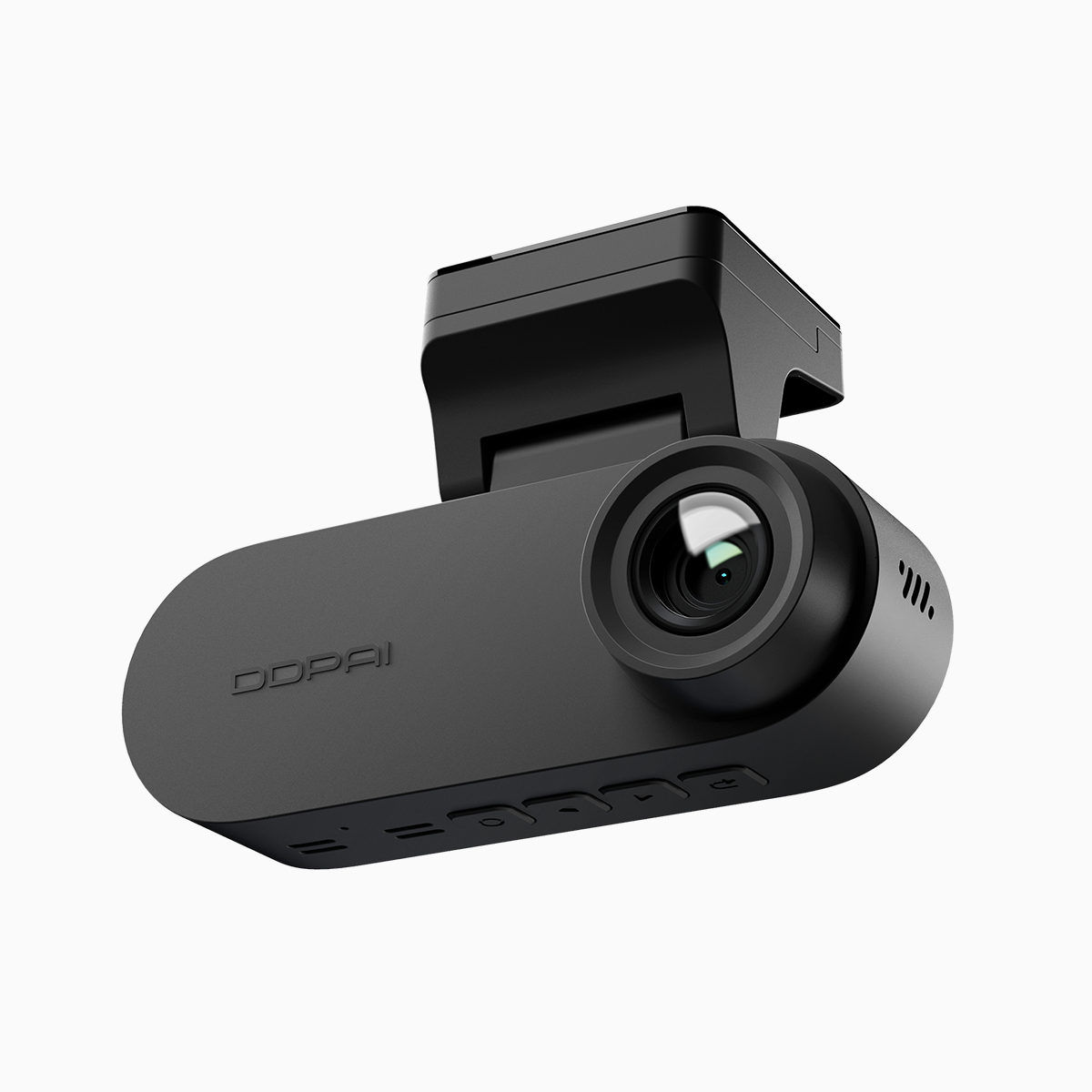
Why the comparison matters now
Drivers in Metro Manila know the value of reliable footage: tight parking, crowded streets, and the odd scratch that appears overnight make evidence essential. Comparing a budget front and rear dash cam with pricier setups clarifies what features actually protect your car and improve safety. This piece looks at two core capabilities — time-lapse parking mode and AI driving assists — and weighs practical trade-offs for everyday use.
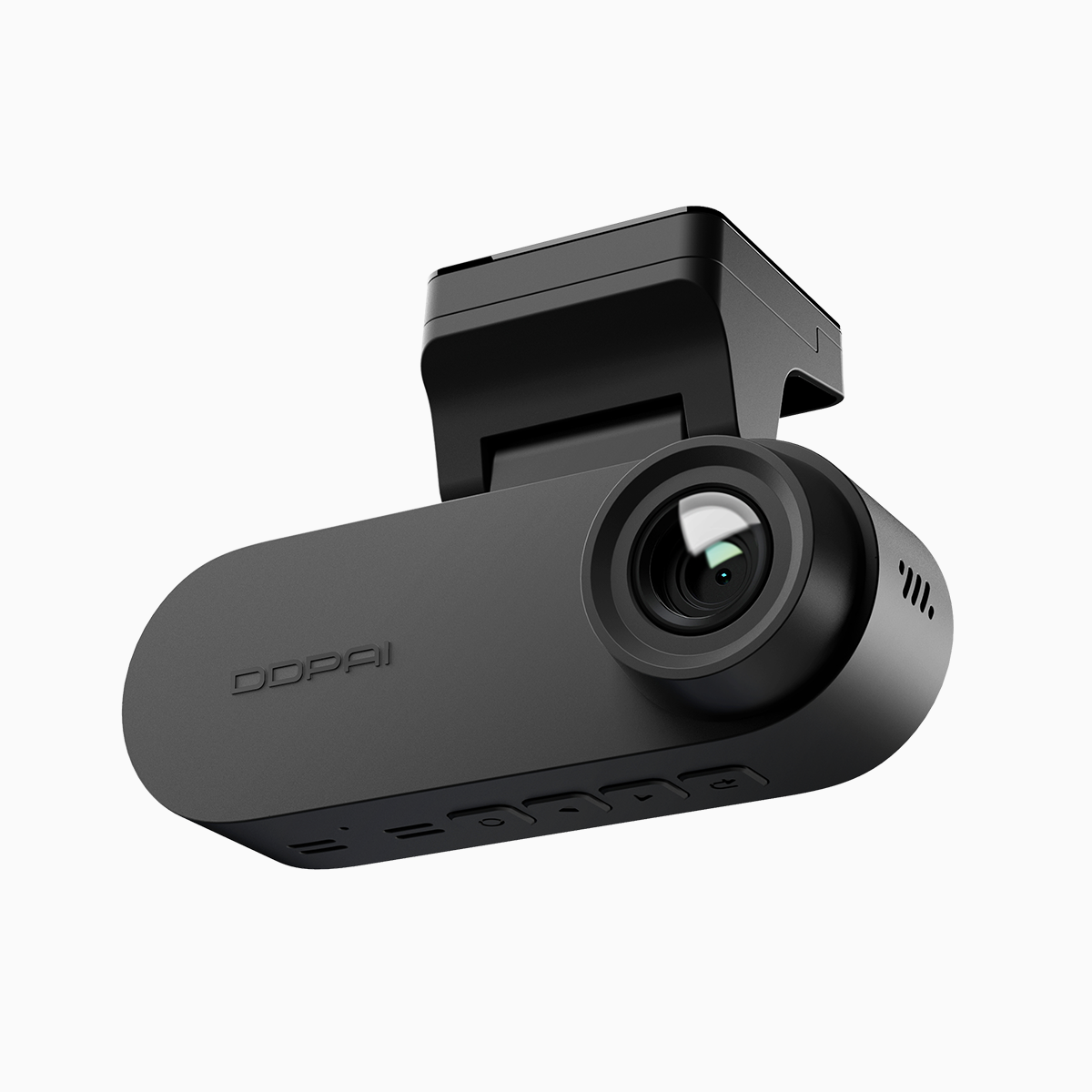
Time-lapse parking mode: what it really delivers
Time-lapse parking mode condenses hours of inactivity into clear, watchable clips. For many budget units this translates into longer coverage without needing massive storage, thanks to lower frame rates and efficient loop recording. The real upside is coverage: you get enough evidence to spot hit-and-runs, vandalism, or suspicious loitering without swapping memory cards every day. Expect limitations in low light where WDR or night vision matters most, but for daytime incidents it’s often enough.
AI driving assists: promise vs. practicality
Basic AI features on affordable dash cams — lane departure warnings, forward collision alerts, pedestrian detection — offer a layer of situational awareness. They rely on algorithms and camera calibration, and they can reduce distraction by flagging immediate hazards. That said, false positives are common in dense urban scenes and during heavy rain. ADAS-style warnings are a complement, not a replacement, for attentive driving. Still, when paired with a reliable G-sensor and accurate timestamping, these alerts can be useful for incident reconstruction and driver coaching.
Head-to-head: storage, power, and real-world reliability
Compare on three axes: storage strategy, power management, and detection accuracy. Time-lapse parking mode wins on storage efficiency and battery draw; AI driving assists demand more processing power and stable calibration. A dual-channel 2 camera dash cam that records both angles gives you context — front collisions and rear impacts — but check whether parking mode records both channels simultaneously or only the front. Manufacturers often trade off resolution or frame rate to maintain recording time.
Common installation mistakes and quick fixes
Poor mounting angle, low-quality SD cards, and neglecting firmware updates are the biggest culprits. Use a high-endurance microSD rated for continuous writing, format it in-camera, and position the unit to capture the horizon — not the dash. Calibrate any lane-detection features per the manual so ADAS is less prone to drift. Small effort up front saves hours of frustration later — and sharper footage when it counts.
Alternatives worth considering
If you want stronger parking evidence, look at models offering buffered event recording with external parking power modules; they switch to low-power monitoring and trigger full-resolution clips on impact. For better AI performance, systems that offload some processing to a companion app tend to update algorithms more often. You can mix and match: a time-lapse-focused dash cam for overnight coverage, and a compact AI-equipped unit for daytime drives.
Quick checklist before buying
– Verify dual-channel recording during parking mode and confirm SD card limits.
– Prioritize a recognized parking mode and reliable loop recording implementation.
– Check ADAS calibration options and whether firmware updates are user-friendly.
Advisory: three golden rules for choosing a balanced unit
1) Coverage first — ensure the parking mode records the channels and duration you need (look for low-frame-rate time-lapse plus buffered event capture). 2) Evidence integrity — prefer cameras with accurate timestamps, a stable G-sensor, and secure file handling to simplify insurance or police reports. 3) Real-world support — choose a brand with firmware updates and local service; that cutover makes the difference when features need tuning.
Closing thought
Choose pragmatically: pick a dash cam that delivers reliable parking coverage and sensible AI assists rather than shiny but unreliable extras. For drivers who want a balanced, local-supported solution — and the peace of mind after a long day in city traffic — DDPAI PH fits naturally into that reasoning. Practical, dependable — and ready when you need it. —