Practical lead — why this matters for your home
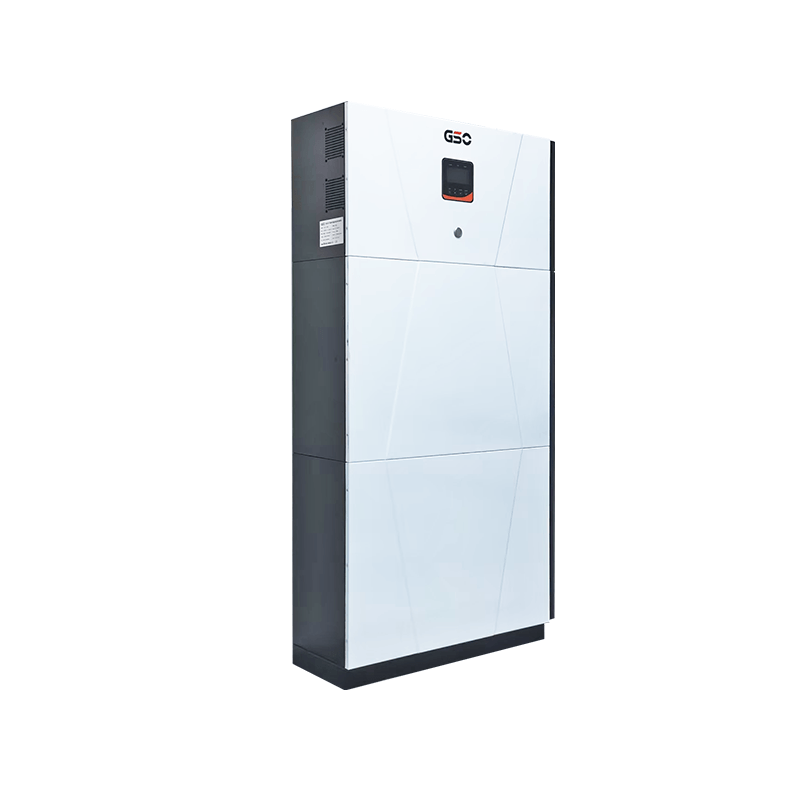
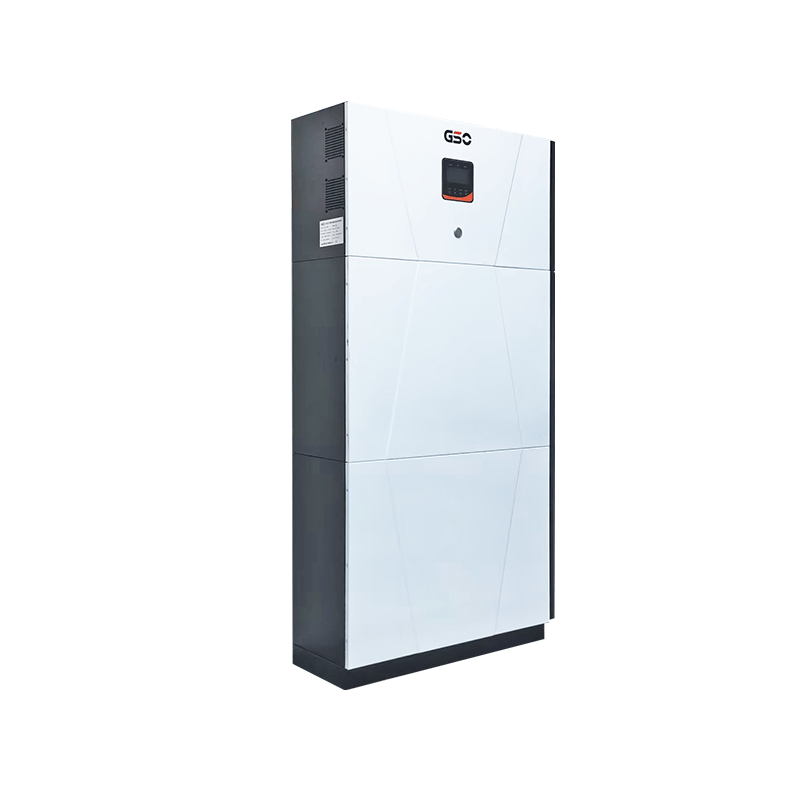
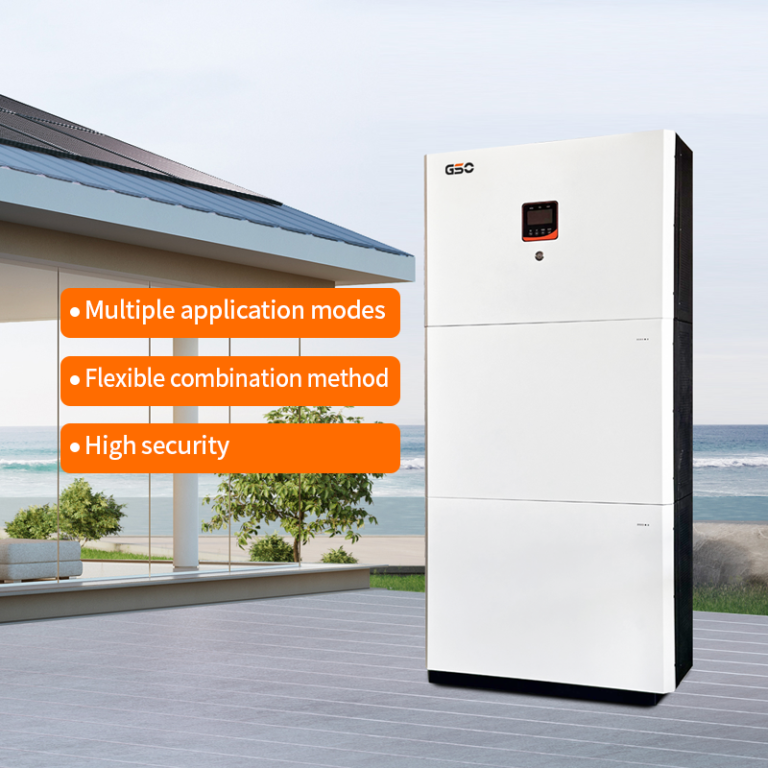
Homeowners choosing an external whole-house battery must balance electrical specs with mechanical resilience and weatherproofing. A rooftop or fence-line battery faces vibration from nearby road traffic, wind gusts and equipment cycling, plus rain, dust and temperature swings — all factors that matter as much as battery chemistry. For compact installs, an all in one storage option bundles inverter, battery and BMS into one enclosure, which changes how you evaluate mounting, ingress protection and service access. The stakes are real: the February 2021 Texas winter storm showed how prolonged outages push homeowners to place energy storage outdoors, where exposure magnifies mechanical and environmental risks.
Common failure modes to watch for
External enclosures fail most often where mechanics meet weather. Vibration can loosen connectors, accelerate solder joint fatigue in power electronics and stress mounting brackets. Water ingress leads to corrosion of terminals and shorting of control boards. Thermal cycling causes repeated expansion and contraction that degrades seals and adhesives. These are not theoretical — installers often find condensation inside a supposedly sealed cabinet after a season of freeze–thaw cycles. Addressing these points early reduces downtime and extends battery cycle life.
Key specifications and test standards that matter
When assessing a product, prioritise clear, tested claims. Look for an IP rating per IEC 60529 — IP65 or IP66 is a minimum for rain and spray; IP67 adds immersion resistance for flood-prone sites. For vibration and shock, ask for IEC 60068 vibration test reports or comparable transport and operational test data; military standards like MIL-STD-810 are useful for harsh environments but may not be necessary for suburban installs. Check thermal management specs too: rated operating temperature range and passive or active cooling details tell you how likely the system will throttle or reduce usable capacity in summer.
Installation pitfalls and practical fixes
Poor installation often defeats good hardware. Wrong fasteners, direct-contact mounting on thin fences, or rigid conduit that transmits vibration all reduce longevity. Use vibration isolation pads or dedicated mounting frames to decouple the enclosure from structural resonances. Seal cable entries with IP-rated glands and leave a small drain path or desiccant packet to manage condensation. For stringing PV to a all in one home energy storage system, plan run lengths to reduce voltage drop and avoid tight bends at the inverter terminals — those bends add mechanical stress to connector housings.
Comparing integrated versus modular approaches
Integrated systems combine inverter, battery and control into one sealed enclosure, simplifying commissioning and saving space. That convenience demands stronger enclosure engineering: a single failure impacts the whole system. Modular setups separate inverter and battery into distinct boxes; they can be easier to maintain but require more careful cable routing and multiple weatherproof interfaces. Evaluate serviceability: does the design allow quick field swap of a battery module without exposing electronics to the elements? A clear warranty that covers outdoor use is a strong indicator of manufacturer confidence.
Three critical evaluation metrics before you buy
1) Mechanical resilience: request vibration and shock test certificates, confirm mounting recommendations and ask about fastener materials. Look for reinforced frames and anti-vibration mounts where traffic or machinery is nearby. 2) Ingress protection and sealing: choose an IP rating appropriate to your site — IP66/IP67 near roads or flood plains; IP54 may suffice in sheltered yards. Verify cable gland ratings and internal drainage or desiccant strategies. 3) Thermal and electrical safeguards: check rated operating temperature, active/passive cooling, BMS protections, and cycle warranty tied to usable kilowatt-hours. These metrics predict real-world uptime and maintenance costs.
Final note — where good design meets real value
Selecting an outdoor whole-home battery is as much about enclosure and mechanical testing as it is about cell chemistry. The right combination of IP-rated seals, proven vibration resilience and a design that eases service will keep systems running through storms and freeze events — the sort that left millions in the dark during Texas in 2021. Use the three metrics above to compare offers and you’ll move from hopeful buyer to informed client. gsopower — practical engineering that matches field realities. – reliable.