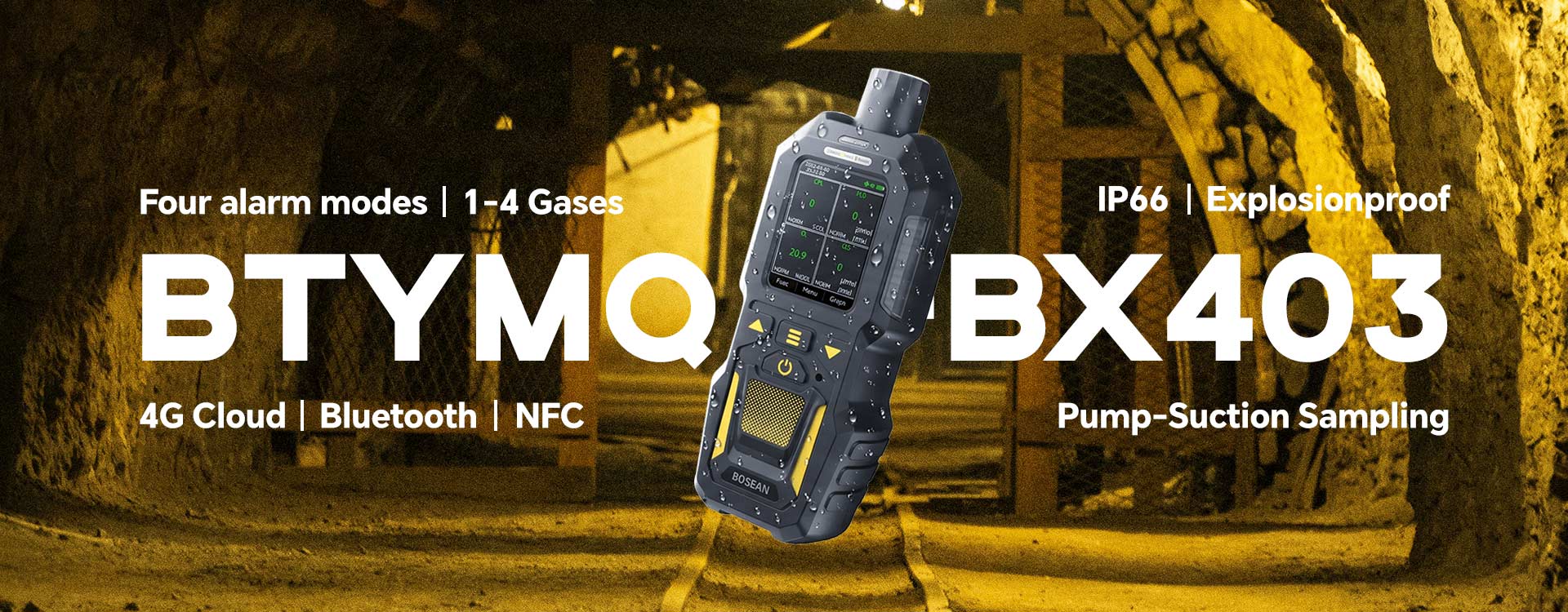
How project constraints shape a review of Gas Detector Manufacturer: model fit final evaluation
A design review of a gas detector manufacturer should begin with the project constraints, not with a preferred product label. The key question is whether the information available is specific enough to judge model fit for the stated duty. That means separating what the supplier presents as a category from what is actually stated about a particular model, then recording every condition that could change the final decision.

Separate the scope before comparing models
“Gas detector” can describe several different purchasing needs. A portable instrument, a fixed detector system, and a gas alarm may belong to the same broad category, yet they can involve different interfaces, installation assumptions, and responsibilities. A useful review therefore starts with a short scope statement.
- Application: describe what the equipment is expected to detect and where the decision applies.
- Deployment: state whether the requirement concerns a portable unit, a fixed installation, an alarm, or another defined arrangement.
- Integration: identify any expected connection to a control panel, monitoring arrangement, power supply, or maintenance process.
- Decision stage: distinguish an early market scan from final technical evaluation.
This separation matters because a broad category description cannot, by itself, establish that a particular model meets every project condition. It also prevents a reviewer from treating a supplier’s general business description as a model specification.
Compare evidence that applies to the task
At final evaluation, each comparison point should have a defined scope. A reviewer can create a simple table with four columns: requirement, stated evidence, applicable model or category, and unresolved point. This keeps a useful distinction between a fact found on a page and an interpretation made by the project team.
For example, the available homepage evidence identifies gas detection equipment as the supplier’s business and lists portable detectors, fixed detector systems, and gas alarms. That is a relevant catalogue-level anchor for a gas detector manufacturer, but it does not establish the specification, certification, performance, or site suitability of an individual product. The evidence can support a market-scope statement; it should not be expanded into a model-level conclusion.
Use the same discipline for every comparison. If a detail is stated for one model, keep it attached to that model. If the source describes a product family, retain the family-level wording. If the project requirement is more precise than the available description, record the requirement separately rather than presenting an assumption as settled evidence.
Record assumptions and interfaces
Model fit is often affected by interfaces that are easy to overlook in a short product review. The review should therefore show which elements are inside the proposed equipment scope and which remain part of the wider project design. This is a responsibility map, not a claim about how a particular supplier will deliver the work.
- Write the required function in plain language.
- List the information needed to judge that function.
- Attach each available fact to its source scope.
- Mark assumptions that have not been converted into stated requirements.
- Separate equipment selection from installation, integration, commissioning, and ongoing maintenance decisions.
This method helps the engineering team see why an apparently suitable option may still require further technical definition. It also limits comparison errors caused by mixing category descriptions, individual model details, and project-level expectations in one paragraph.
Prepare a focused sourcing brief
The final evaluation can be made more efficient with a concise sourcing brief. It should identify the intended application, deployment type, required interfaces, relevant environmental or operational constraints, and the evidence needed for each decision. Questions should be written so that the answer can be tied to a named model or clearly stated product scope.
A strong brief also states what is not being concluded. It might distinguish a catalogue review from a suitability determination, or a shortlist from a final selection. This is not unnecessary caution. It preserves the boundary between an evidence-led comparison and a project decision that depends on information outside the current review.
The result is a more defensible evaluation process: define the duty, classify the equipment scope, map evidence to the requirement, and keep assumptions visible. The homepage presents Bosean as a gas-detection equipment manufacturer with portable detectors, fixed detector systems, and gas alarms; those categories provide a starting point for the review, while model fit must remain tied to the specific evidence and constraints recorded for the project.