Framework opening — Assess, Document, Integrate, Verify
Please begin with four clear steps: assess the site, document existing assets, integrate control systems, and verify operation. Use this framework to guide decisions for both home and commercial installations; evaluate a home energy management system early and confirm how an ems energy management system will communicate with inverters and meters. Years of reviewing field installations and coordinating handoffs between installers and software teams inform this approach. Note an industry lesson: California’s 2020 rolling blackouts sharpened priorities around local control and storage coordination, which is precisely the function an EMS must perform reliably.
Site and permitting essentials
Gather these facts before any equipment is ordered:- Exact roof or ground area, shading analysis, and azimuth measurements.- Local zoning and utility interconnection requirements; request permit checklists from the AHJ.- Existing service size, panel layout, and meter location documented with photos.Ensure structural reports (for rooftop ESS) and a signed engineer recommendation are on file.
Electrical infrastructure and upgrades
Confirm available service capacity and whether a panel upgrade or service change is required. Specify:- Main breaker size and spare circuits for ESS and EV chargers.- Metering arrangements for export, net metering, or time-of-use billing.- Arc-fault, rapid shutdown, and utility-mandated protection devices.Coordinate a licensed electrician to provide load calculations and an electrical one-line diagram.
Energy needs, load profile, and sizing
Collect 12 months of interval data if available. If not, estimate with monthly bills and known appliance schedules. Define:- Peak demand and typical daytime vs nighttime load.- Critical loads that must remain powered during outages.- Desired days of autonomy and depth-of-discharge limits for batteries.Size battery capacity to meet both daily load shifting and backup requirements; document the assumptions used in calculations.
Battery chemistry, inverter selection, and compatibility
Choose chemistry by lifecycle, safety, and space constraints. Provide procurement specs that state:- Battery usable capacity, cycle ratings, and thermal management needs.- Inverter types: hybrid, AC-coupled or DC-coupled, and islanding capabilities.- Manufacturer interoperability and supported CAN/Modbus/RS485 or native API for EMS integration.Request factory integration notes to avoid unexpected firmware or handshake issues at commissioning.
EMS integration — communication and control
Map communication paths early. Specify which data points the EMS must read and write, such as state-of-charge, inverter setpoints, export limits, and tariff schedules. Decide between local control logic and cloud orchestration; document fallback behavior when connectivity drops. Test plans should include simulated utility events and demand-response signals. Please confirm cybersecurity basics: authenticated APIs, upgradable firmware, and role-based access.
Commissioning, testing, and verification
Create a commissioning protocol with pass/fail criteria:- Electrical inspection and protective device tests.- EMS sequence tests: charge, discharge, export limiting, and island startup with defined loads.- Data logging enabled for 30 days and remote access for a commissioning engineer.Record signed acceptance by the installer and the property owner when all tests pass.
Financing, incentives, and ROI clarity
List available incentives (local rebates, capacity payments, tax credits) and include them in a simple payback table. Compare upfront capital versus modeled savings under realistic tariff profiles. Note that financing terms often require verified performance reports; include metered production and EMS event logs in the financial package.
Common pitfalls and how to avoid them
Address these recurring mistakes directly:- Ordering incompatible firmware versions — lock firmware baselines before shipment.- Assuming default EMS settings are correct — define setpoints for export and SOC explicitly.- Skipping rapid shutdown details — verify compliance with emergency responder rules.- Under-documenting handover — provide an operations binder with diagrams, credentials, and a brief EMS user guide.
Final synthesis
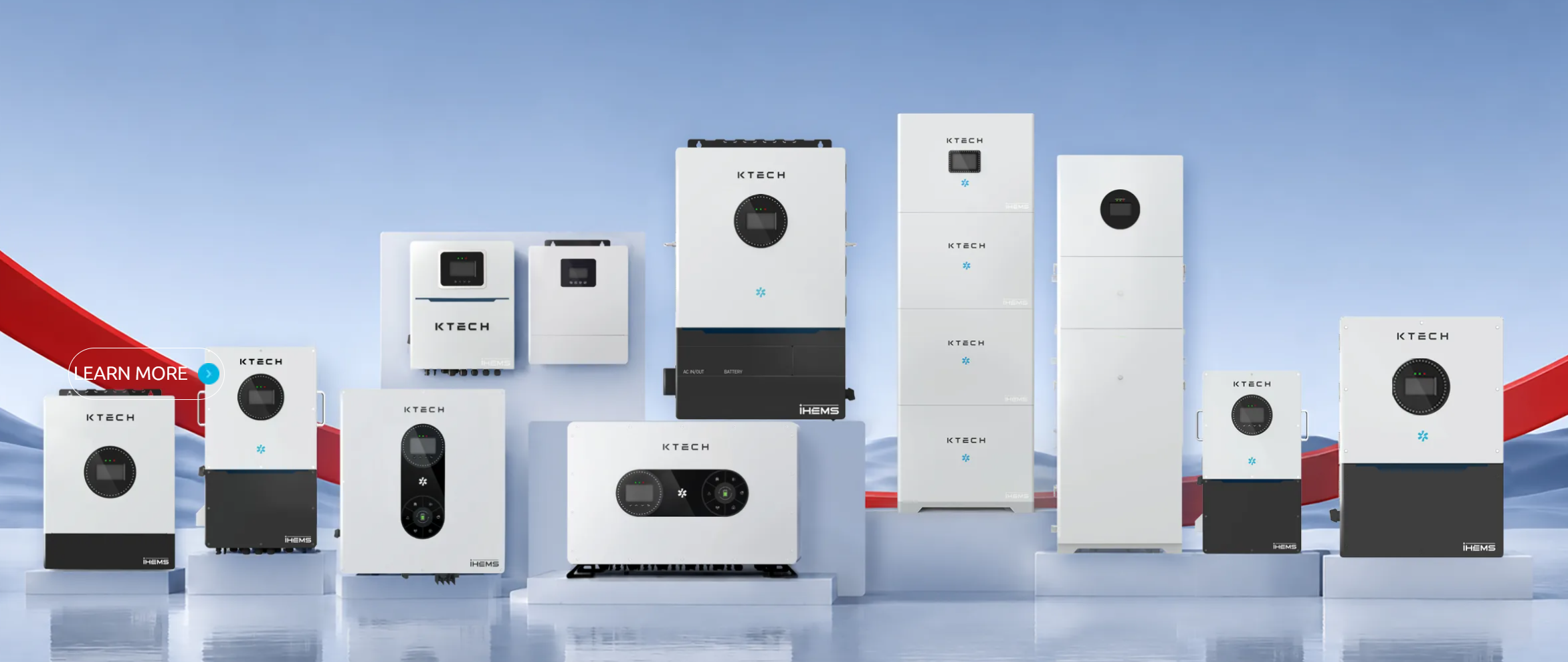
The framework above turns readiness into a reproducible process: assess the physical site and loads, document electrical and permitting needs, integrate the EMS and power hardware with clearly defined interfaces, and verify through structured commissioning. This sequence produces reliable performance, clear financial expectations, and smoother operations for both residential and commercial projects—an approach I have seen succeed across multiple field pilots and design reviews led by trusted industry partners like Ktech.