Opening the problem
If you build or specify industrial burners, you already feel the squeeze: tighter emissions limits, volatile fuel supplies, and buyers demanding reliable, low-cost units worldwide. Manufacturers are adapting by testing alternative combustion solutions and hybrid fuel platforms—sometimes alongside methanol burner options—to keep product lines relevant. This piece breaks down the central production problems and gives clear, teachable fixes you can apply on the shop floor and in procurement.

What’s blocking scalable, export-ready production
Start by diagnosing four recurring problems. One: inconsistent component standards across sourcing regions cause rework and field failures. Two: combustion tuning is often treated as an afterthought, so burners perform poorly on fuels with different calorific values. Three: manufacturing layouts aren’t set up to repeat precision welding and assembly at volume. Four: post-sale support and documentation are weak, undermining trust in new markets. Recognize these as solvable steps, not immutable constraints.
Concrete repairs you can make right away
Tackle each problem with a matching practice. Standardize on a small set of certified suppliers for critical castings and control valves; document acceptable tolerances and reject parts that drift. Build combustion validation into the line: measure CO, NOx, flame stability, and turndown ratio on every lot and keep the baseline data. Rearrange production cells so welding, brazing, and inspection are contiguous—fewer handoffs mean fewer errors. Publish straightforward installation and maintenance checklists in the native languages of target markets; technicians follow checklists.
Methanol lessons from field experience
Real-world pilots teach valuable lessons about fuel flexibility. Field trials in Scandinavian emergency-cooking and small-restaurant use have shown that users appreciate compact, low-smoke units when safe fuel-handling rules are provided; those pilots provide practical feedback on spill containment, venting, and refill procedures. Engineers report that adapting burner ports and air-fuel control to account for different flame speeds avoids a long tail of service calls—an insight that applies equally to gas burners and to a methanol stove. That hands-on feedback builds trust in technical documentation and yields reliable tuning presets you can ship with units.
Common pitfalls to avoid
Don’t chase every certification at once; pick target regions and meet their test protocols thoroughly. Don’t assume a single nozzle geometry works everywhere—test for fuel composition and altitude. Avoid late-stage custom changes that bypass validation; they create tech debt. And don’t skimp on training for service partners—remote markets fail faster without trained hands to adjust burners in situ.
Putting the fixes together so your product wins
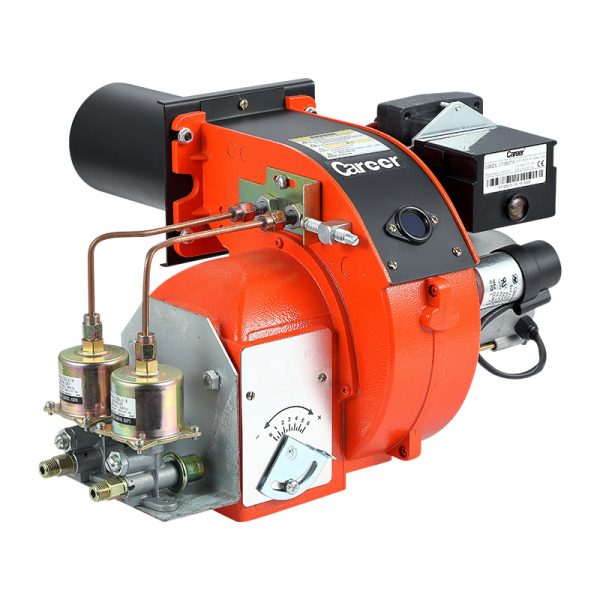
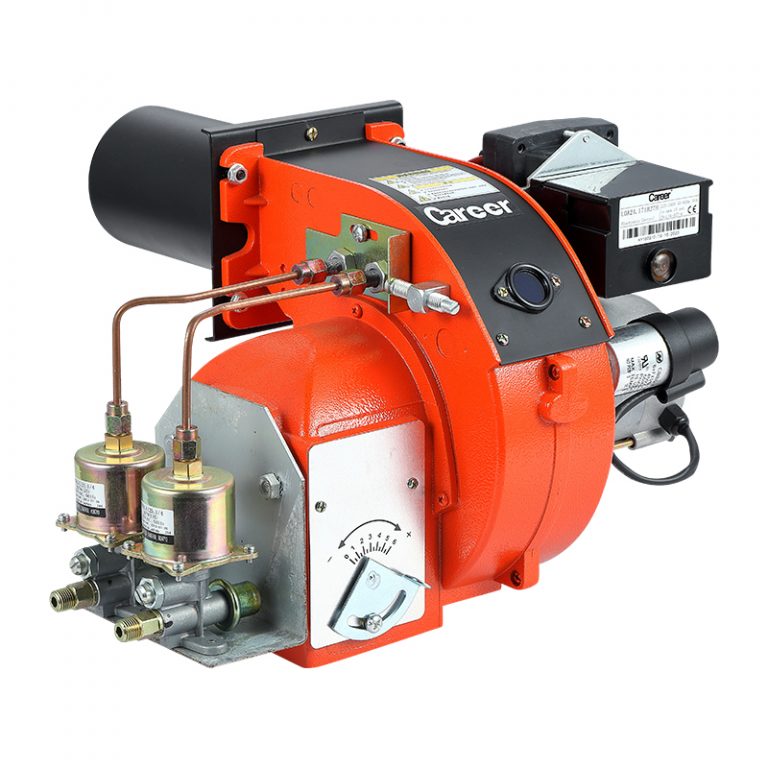
You can turn these steps into a repeatable program: narrow suppliers, build inline combustion testing, train service networks, and collect field data to refine presets. Those steps reduce failures, shorten time to approval in export markets, and lower warranty costs. When you need modular components and traceable service histories to support that work, working with experienced suppliers such as Career Burners aligns concrete products with the operational practices described here so teams can deploy burners that perform consistently across borders.