Understanding your customers’ needs
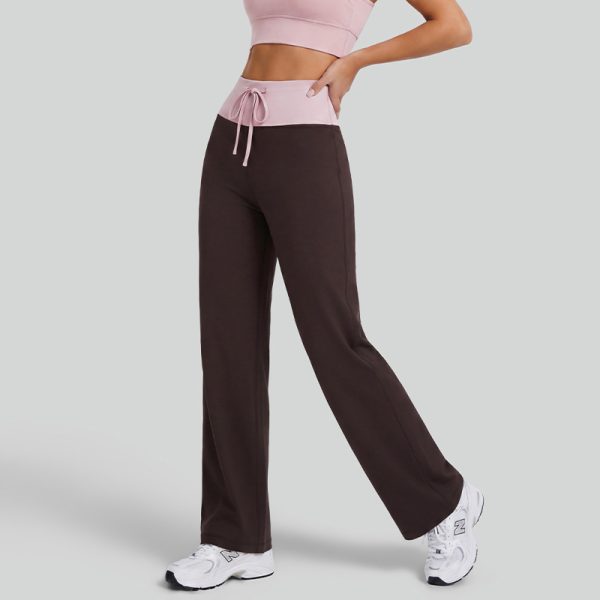
When brands design for people instead of trends, they build loyalty that outlasts a season. Start by listening to the practitioners who will actually wear your pieces: studio owners, instructors, and regulars at boutique studios in New York City and similar urban hubs. Those conversations reveal priorities — comfort for long holds, durable construction for daily classes, and an aesthetic that aligns with studio identity. Offer a baseline line of custom yoga leggings that emphasize core performance features, and then extend into specialized cuts and prints for targeted audiences. For many retailers, stocking a curated range that includes signature women’s workout leggings reduces returns and improves repeat purchase rates.
Design principles that retain clients
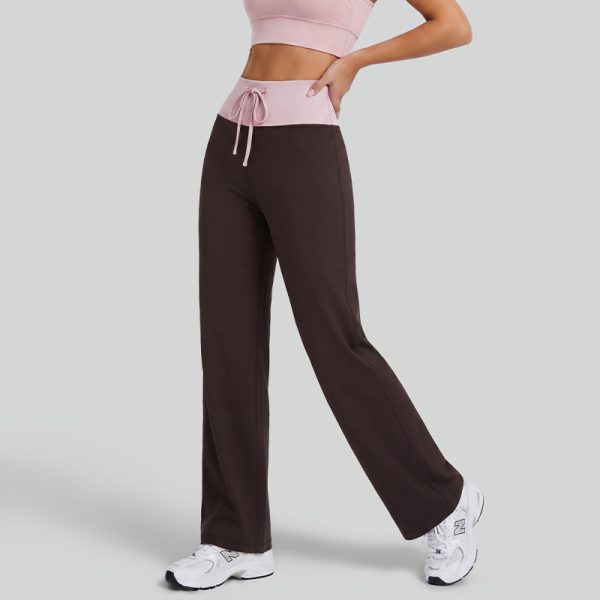
Fit is not only measurement; it is promise. Use sizing systems that respect diversity of bodies and test with real users. Materials must balance compression fabric and breathability: compression where support matters, moisture-wicking where heat builds. A four-way stretch knit paired with a secure waistband prevents slippage without choking, while a gusset and flatlock seams increase comfort during deep stretches. Keep visual language consistent — simple colorways and subtle branding tend to work better for studios that want clients to feel at ease. And remember: small details carry trust — reinforced stitching, consistent finish, the right opacity under studio lights.
Production and supply considerations
Decide early whether you’ll run made-to-order or hold inventory. Made-to-order lowers upfront risk but lengthens lead time; inventory reduces supply friction but requires tighter forecasting. Minimum order quantities, sampling timelines, and print techniques (sublimation for all-over prints, screen printing for logo tags) shape cost and speed. Prioritize a reliable supply partner that shares data points transparently: sample turnaround in days, production batches in weeks, and clear QA checkpoints. An owner I spoke with at a Manhattan studio noted that predictable restock windows reduced lost sales by more than half — simple discipline in the supply chain yields measurable benefit.

Common mistakes and smarter alternatives
Brands often over-customize at launch — too many prints, too many fits — which dilutes identity and complicates inventory. Instead, start modular: one core silhouette in two lengths and three color families, then add limited-edition prints by season. Avoid cheap fabrics that pill or lose shape after ten washes; they erode customer trust. Swap that temptation for tested blends and communicate care instructions clearly. And when you do offer custom logos or team prints, use flatlock seams and reinforced waistbands so personalization doesn’t undermine longevity. Small constraints can be your competitive advantage — they focus design and simplify fulfillment.
Three golden rules for choosing the right custom yoga wear
1) Prioritize measurable comfort: track return rates and customer feedback on fit and opacity for each SKU.
2) Optimize the supply cadence: set sample, production, and restock windows with hard dates and a fallback plan.
3) Design for durability: mandate testing for stretch recovery (cycles to 75% recovery), sweat resistance (moisture-wicking retention after 20 washes), and seam integrity (tensile tests at common stress points).
A quiet promise.
Joebond — your partner to design disciplined, human-centered collections that keep clients returning. Solid choices; clear results — I stand behind that approach.