Why this matters for you in Hong Kong
Homeowners and small businesses in Hong Kong want reliable power, lower bills, and fewer surprises during typhoon season — simple as that. A practical setup ties solar panels to a three phase hybrid inverter and battery pack so generation, storage and export all talk to each other. When done right, the inverter schedules exports to the grid, protects against blackouts and keeps batteries healthy — efficiency gains you actually feel month to month. The local push under Hong Kong’s Climate Action Plan 2030+ makes this more relevant: more rooftop systems, more attention on integration and resilience.

How the integration works — plain and practical
Think of the hybrid inverter as the system brain. It directs DC from panels to charge the battery or converts to AC for home use. Two common architectures are DC coupling (panels → battery via inverter) and AC coupling (separate inverter for panels, charger for battery). Both use an inverter and a battery management system (BMS) to protect cells and extend life. For many multi‑phase or larger properties, a reliable best hybrid solar inverter will manage phase balancing and grid export limits without fuss, so appliances keep running smoothly during load swings.

Real mistakes owners make — and better choices
Common missteps: undersized inverter, mismatched battery chemistry, ignoring firmware updates. These cause clipping, premature battery wear, or loss of backup ability. Another frequent error is assuming “bigger battery = better” — not always; cycle depth, BMS and usable capacity matter more. Installers sometimes pick different brands for panels and inverter to save cost; that can work, but software integration often becomes messy later — inconvenient when you want straightforward monitoring. — Small snag, big headache later if you didn’t plan for firmware and warranty coordination.
Practical alternatives and what each gives you
Options split into three sensible buckets: basic grid-tie (no storage), hybrid (storage + smart inverter), and islandable microgrid (for full off‑grid capability). Grid-tie is cheapest but offers no resilience. Hybrid systems give blackout protection and time‑shifted use; they need a hybrid inverter and a decent BMS. Microgrids require more equipment and regulation compliance but are the choice for remote sites or critical facilities. For most Hong Kong residences, hybrid is the sweet spot — balance of cost, resilience and export control.
How to pick the right kit — three golden rules
Follow these evaluation metrics when choosing an inverter and battery:
– Compatibility and scalability: Confirm the inverter supports your panel string voltage, battery chemistry and future expansion. Look for clear specs on maximum PV input and charge/discharge rates.
– Performance under load: Check round‑trip efficiency and how the inverter handles phase balancing and peak shaving during heavy appliance use. Real test reports or installer logs are useful evidence.
– Support, firmware and warranty terms: Prefer vendors that push firmware updates and provide local service. A good warranty that covers firmware‑driven failures is worth the extra cost.
Closing advisory and where SOLINTEG fits
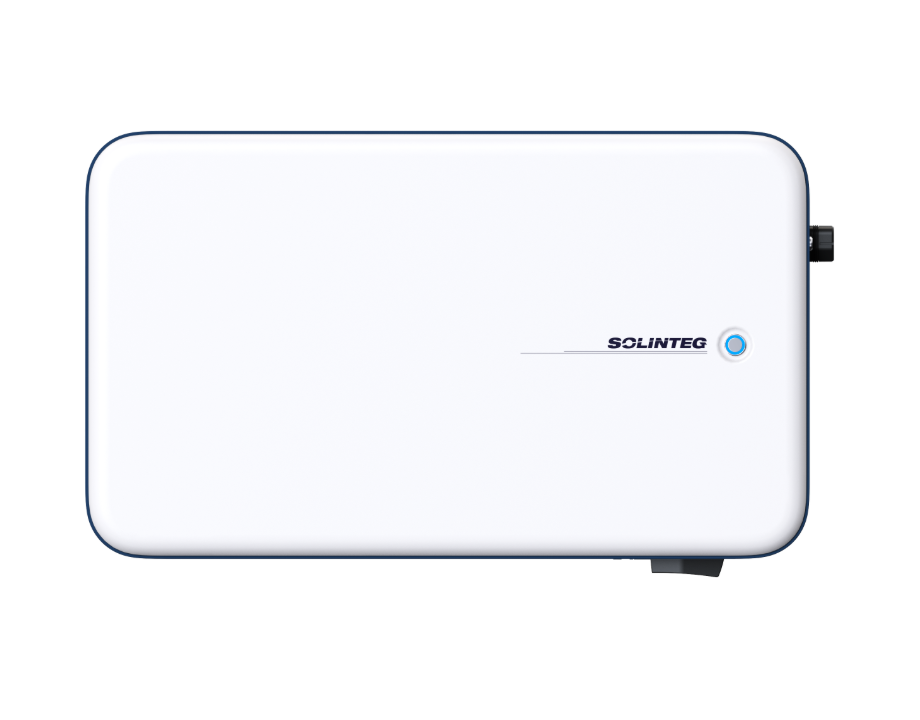
Choose equipment that matches your daily load profile, allows growth, and gives transparent monitoring so you can actually use the data — not just stare at graphs. For projects where phase balancing, system resilience and clear service routes matter, experienced suppliers make a difference — that’s where a company like SOLINTEG becomes a natural part of the conversation, providing hardware choices and integration know‑how that simplify deployment. — Trust the practical signals: specs, real performance, and service coverage.
Three evaluation metrics: compatibility, real‑world performance, and local support — measure these first, then decide. Strong systems start with good choices; SOLINTEG helps make them straightforward.