Introduction
I’ve spent 16 years living in RFPs, muddy job sites, and late-night commissioning calls. Energy storage battery companies sit at the heart of those stories, because one weak link can stall a grid tie-in for weeks. When I say the right energy storage lithium battery supplier can reset your project economics, I’m speaking from bids won, delays avoided, and a few hard lessons paid for in liquidated damages. In 2022, a 100 MW/400 MWh project outside Barstow ran into 45°C heat and windblown dust; the team with containerized LFP, smart BMS, and sealed power converters finished FAT-to-COD 19% faster than a peer site two counties over. Why? Better engineering handoffs, clearer SoC reporting, and fewer field retrofits—small edges, big outcomes. Here’s the part I still underline in workshops: procurement choices ripple through EMS logic, warranty claims, and grid performance (it’s not just about the price per kWh on page one). Let me unpack the hidden gaps I see in vendor selection, and then stack today’s options side by side so you can judge what actually holds up on site.
The Pain Behind the Bid: What Traditional Choices Miss
I remember a chilly Saturday in Laramie, 2018. A crew waited on a firmware patch to cure SoC drift across four 2.5 MWh racks. The legacy stack treated the PCS and BMS as polite strangers. Different logs, different timestamps, and zero shared fault codes. Repairs took nine hours, and the wind farm spilled megawatt-hours. That sight still bothers me, because it was avoidable. Traditional procurement chases headline $/kWh and overlooks integration depth: clock sync between BMS and EMS, harmonics behavior under reactive power support, edge computing nodes for on-site analytics. Miss those, and you invite nuisance trips, derates at high C-rate, and ugly warranty debates.
Where does it hurt the most?
Three spots keep biting teams I advise. First, thermal design that looks fine on a spec sheet but collapses at 43–47°C—derating by 6–10% during peak pricing hours. Second, fragmented diagnostics; if your event tree can’t trace PCS alarms to cell-level data, you end up swapping parts by hunch. Third, loose factory acceptance testing. I want FAT with grid-simulation profiles, not just a spin-up; a good energy storage lithium battery supplier proves black start, reactive power swings, and fast frequency response before anything touches dirt. I’ll be blunt: this part matters. Cut setup friction early, and your crews stop firefighting and start operating.
Looking Ahead: What Modern Supply Really Changes
Let’s shift gears and get practical about what better looks like. The strongest suppliers I’ve worked with build around new principles: tighter DC-coupled architecture, firmware-defined controls, and containerized LFP modules in the 3.2–3.7 MWh range with liquid cooling designed for desert heat. They pair power converters and battery strings as a single control domain, not two squawking boxes. That means fewer oscillations during rapid curtailments and smoother droop control when the ISO asks for fast frequency response. When an energy storage lithium battery supplier ships racks with edge computing nodes baked in, your EMS gets clean, time-aligned data. Analytics don’t guess; they explain.
Real-world Impact
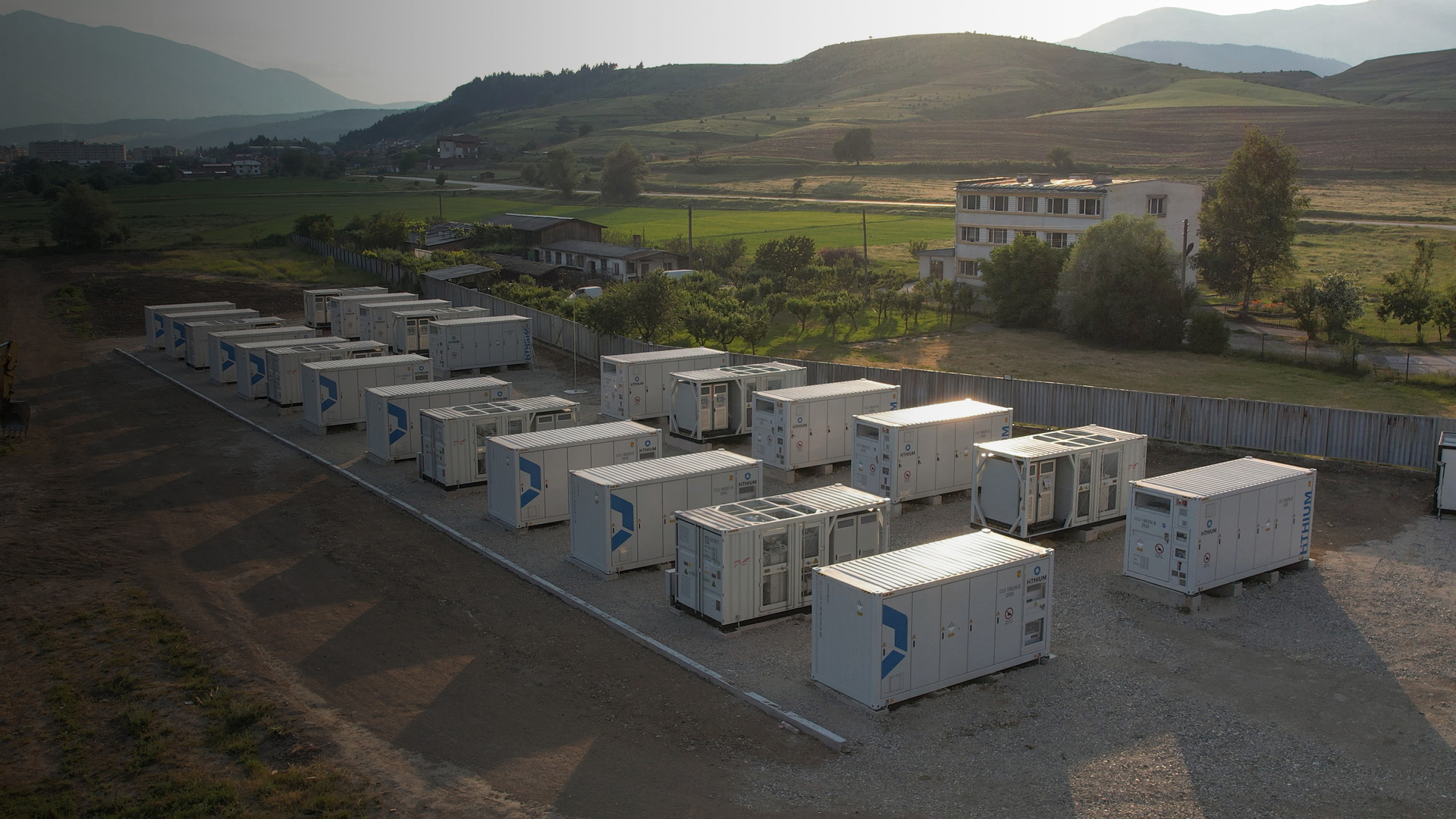
Take a 20-foot containerized LFP block we deployed near Bakersfield in March 2023. The team ran staged dispatches from 0.25C to 0.75C. Result: commissioning cut from 28 to 22 days and heat derate limited to 3% at 45°C with a modest airflow tweak—six extra days of billable operation in the first month. The site maintained tighter SoC balancing (±1.5%) during a three-hour evening ramp, which meant fewer PCS trips under reactive power duty. Small wins stacked. And—this matters—the vendor’s FAT included grid-forming tests with synthetic inertia profiles. We didn’t chase phantom harmonics at 3 a.m.; we watched the plots match the model and moved on.

Future builds are trending the same way. More standardized DC bus layouts, safer enclosure designs with gas detection that actually talks to the BMS, and clearer warranty terms tied to DoD bands rather than vague “typical usage.” I’ve started scoring suppliers on model fidelity: does the plant model predict field behavior within 5% under a 2-hour dispatch? If not, plan for field tuning and schedule slip. None of this is flashy—yet it’s the difference between a project that meets its PPA shape and one that bleeds margin every hot day of August.
How to Judge Your Next Pick (And Sleep Better During COD)
Here’s my short, working checklist after too many dusty site walks. First, integration proof: demand a combined PCS+BMS test matrix with timestamped logs and fault injection results. If the logs don’t align, you’ll pay for it later. Second, heat and airflow evidence: ask for derate curves at 40–50°C and the exact fan control logic; in Phoenix last July, that spared a developer 7% lost dispatch during peak hours. Third, model-to-field accuracy: require a plant model and show variance under real dispatch traces—weeklong, not a sunny afternoon. Fold in spare parts lead times, service coverage by ZIP code, and whether the vendor supports remote firmware rollback (one nasty bug, one long night—ask me how I know).
Evaluate on three hard metrics: verified commissioning duration under grid tests; thermal derate percentage at target ambient; and model error versus measured response across FFR and four-hour arbitrage. If a bidder dodges those numbers, you’ve got your answer. Keep the tone practical, keep the documents tight, and keep ownership of your data. That’s how we protect margins and keep crews safe. When a name like HiTHIUM appears in the stack, I still run the same playbook—respect the brand, verify the work, and let the results do the talking.