The problem: why single-point recording no longer suffices
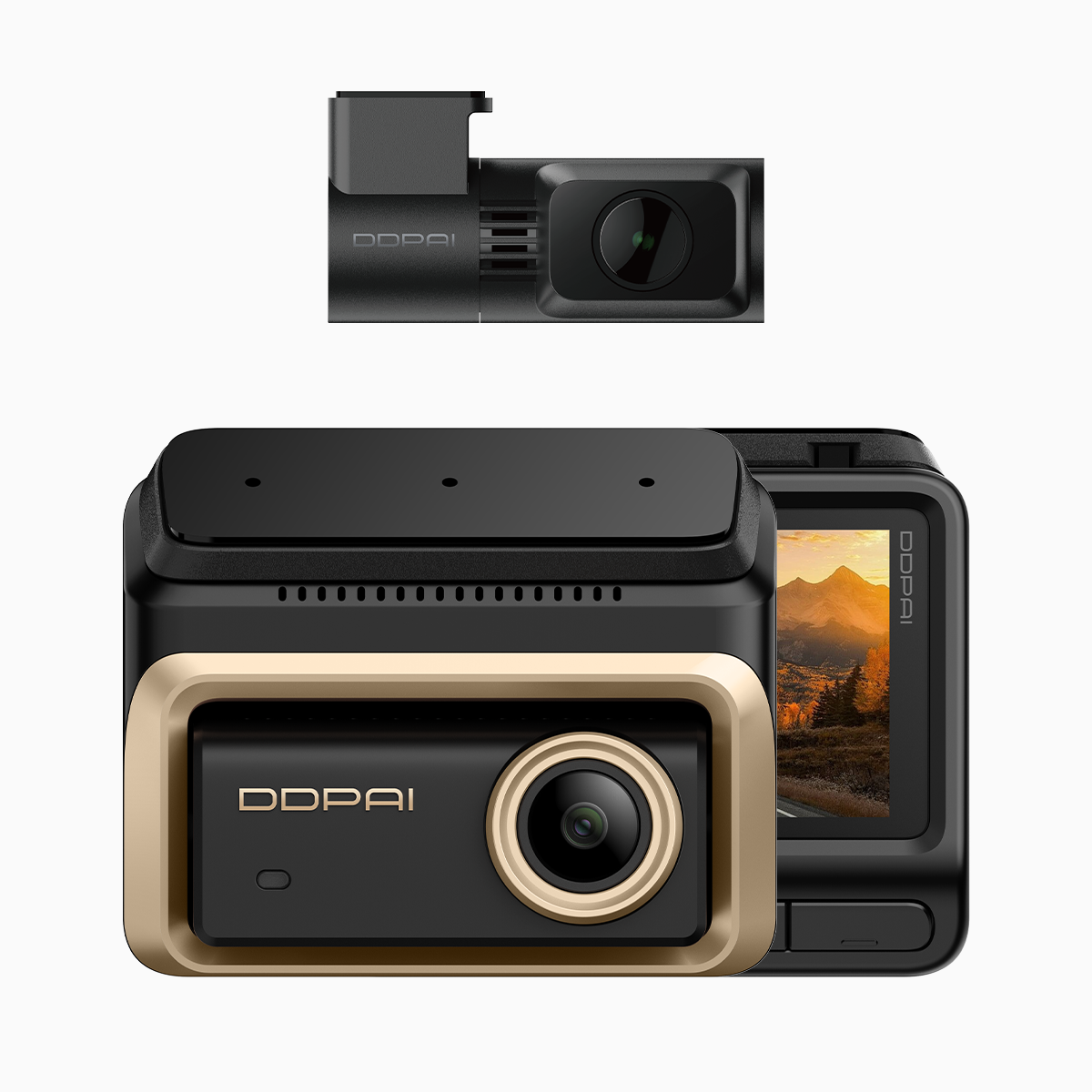
Cities like Metro Manila and major arterial roads such as EDSA expose a simple fact — collisions and liability disputes rarely present a single, clean angle. A rear-only or single-front dash cam misses critical context: side impacts, parking incidents and blind-spot manoeuvres. For a practical response, engineers and fleet managers increasingly turn to multi-channel systems; even a modest upgrade to a 3 channel dash cam changes the incident narrative from “he said, she said” to verifiable evidence. The problem is not merely coverage but data quality, time synchronisation and reliable storage under real-world stress.

Blueprint basics: hardware and capture strategy
A robust multi-channel design begins with camera placement and sensor choice. Prioritise one high-resolution forward unit (4K resolution, HDR capable) and complementary side or rear modules with wide field of view. Frame rate selection matters: 30–60 fps balances motion clarity and bitrate. Loop recording is essential for continuous capture; parking mode must be configured to record low-bitrate events without draining the battery. G-sensor thresholds should trigger locked clips for sudden events, ensuring evidence is retained.
Synchronization, bandwidth and storage considerations
False confidence comes from assuming all cameras behave the same. Time-sync across channels prevents mismatched viewpoints when reconstructing an incident. Use a central processing module to align timestamps; where networked modules exist, prefer a dedicated bus and avoid ad-hoc Wi‑Fi-only sync. Storage architecture must match retention policy: constant 4K feeds require higher storage and stable write speed — consider circular buffers with smart overwrite and adaptive bitrate to protect key clips.
Integration with vehicle systems and remote access
Modern installations benefit from CAN-bus or OBD-II integration for telemetry: speed, indicators, brake status and ignition state add forensic value to video. Remote access through cellular gateways allows live streaming and geo-fencing; however, bandwidth constraints demand intelligent uplink — event-driven uploads rather than continuous streaming. A well-designed system pairs event metadata with video for fast search and retrieval.
Common pitfalls and how to avoid them
Many installations fail due to three recurring mistakes: poor mounting angles, inadequate power management and ignoring thermal design. Mounting too low reduces field of view; an excessive tilt invites glare and invalidates HDR benefits. Failing to implement battery cut-offs or low-power parking mode leads to drained batteries. And thermal stress in tropical climates degrades sensors — select components rated for extended temperature ranges. — Small tests during commissioning catch most issues quickly.
Alternatives and comparative notes
A direct trade is between expanding channels versus improving sensor quality. A single 4K forward camera with superior HDR and a high dynamic range can outperform multiple low-resolution modules in harsh lighting. Conversely, a properly implemented triple camera dash cam provides near-complete situational awareness and better fault tolerance. For fleets, modular systems that allow phased upgrades give the best cost-to-value path.
Deployment checklist for engineers and fleet managers
Follow these practical steps before sign-off:- Verify each camera’s field of view and alignment on-road, not just in the workshop.- Confirm timestamp sync and test event consolidation across channels.- Validate loop recording, parking mode and G-sensor activation under simulated events.- Monitor write speeds and long-run thermal behaviour during a 72-hour burn-in test.
Advisory: three critical metrics for choosing a multi-channel solution
1. Evidence Retention Index — guaranteed minimum hours of fully viewable footage at target resolution and frame rate. 2. Synchronisation Accuracy — maximum acceptable timestamp drift between channels (aim for sub-100 ms). 3. Reliability Score in Operating Conditions — manufacturer-rated temperature and humidity tolerance plus empirical MTBF from field reports.
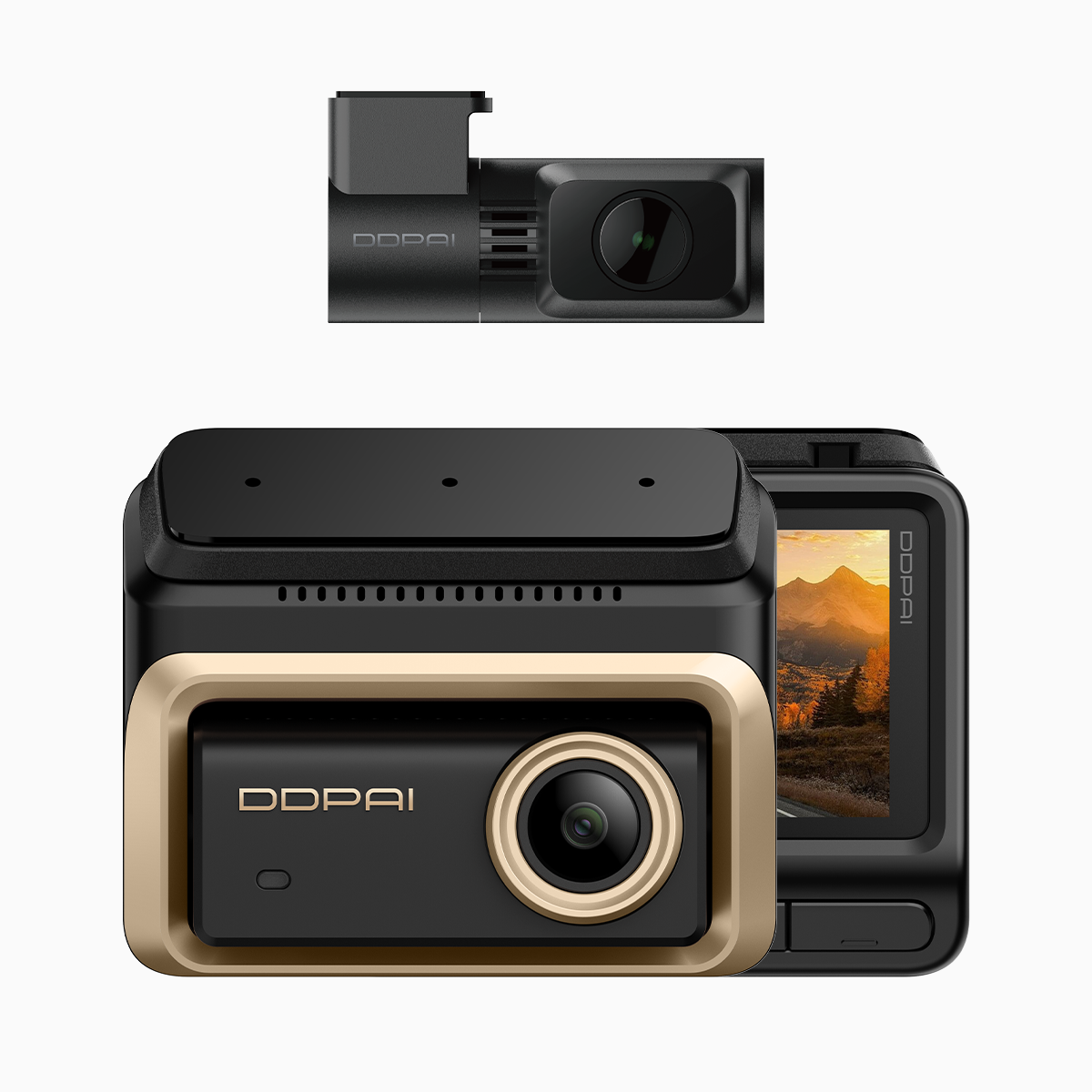
Measured against these metrics, a thoughtfully engineered system reduces dispute resolution time and preserves driver safety. For real-world deployments in the Philippines and comparable urban environments, products that marry solid hardware with pragmatic software tools prove decisive — and that is precisely where DDPAI Philippines fits into the workflow. —